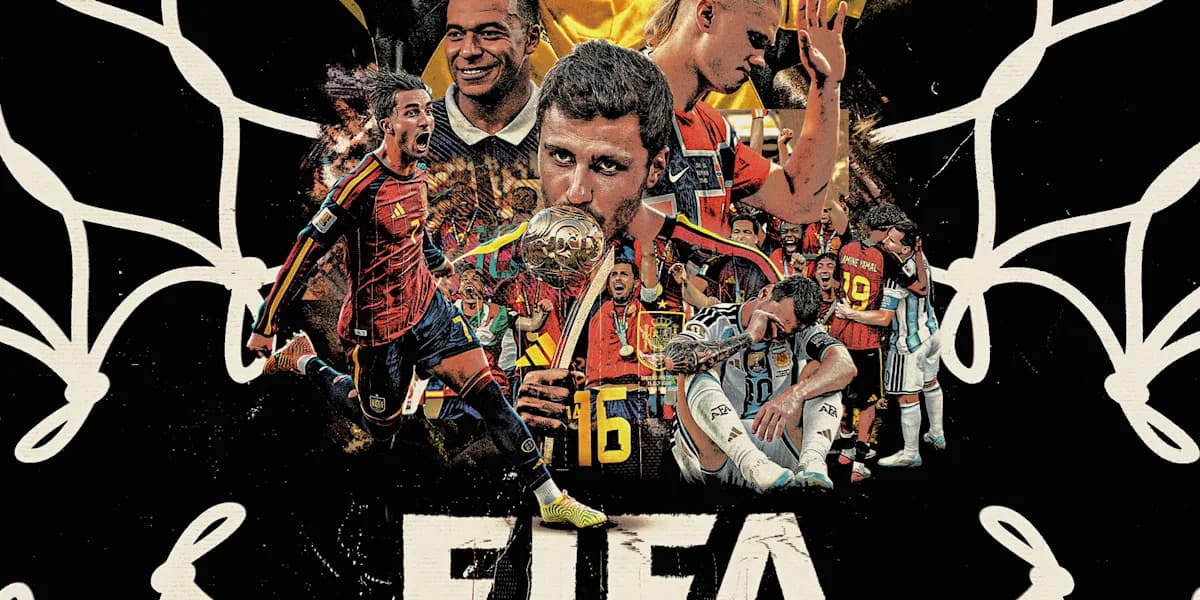
How the 2026 World Cup Captivated America and Defied Expectations
The 2026 World Cup spread across North America, changing casual viewers into passionate fans and strengthening the bond true supporters have with soccer. This tournament proved skeptics wrong, showing that the U.S. could host a major global sporting event with enthusiasm and engagement.
Inside the Tournament Experience
Covering one team closely means missing much of the broader excitement. You spend your time tracking injuries, learning chants, organizing interviews, and grabbing brief naps. Though you see the fans and ads featuring Timothée Chalamet, the full scale of the World Cup feels distant until you witness it firsthand.
That moment came after the U.S. team’s disappointing exit. Waiting for a flight home from Dallas after the Spain-France semifinal, I noticed fellow passengers eager to watch the Argentina-England match live. The gate agent was unsure if inflight TVs would work, causing nervousness among fans. Eventually, most screens showed Fox’s pregame coverage hosted by Rebecca Lowe. Cheers erupted when England scored, then grew louder as Argentina fought back, even stopping the flight attendant mid-announcement during landing preparations to acknowledge the thrilling match.
Soccer Fever Everywhere
In airports, bars, and ride shares, people buzzed about matches they had seen or missed. Despite the U.S. not being a traditional soccer powerhouse like Argentina or England, this World Cup united the continent, turning many into serious fans. Doubters had predicted empty stadiums and lackluster passion; instead, the stands were mostly full, and energy was high despite challenges like ticket prices and lengthy schedules.
Mexico and Canada brought their deep-rooted soccer cultures, while the U.S. took a big leap forward. Soccer is no longer hidden on obscure channels but part of everyday life thanks to increased access to European leagues and growing domestic interest.
Record-Breaking Viewership and Memorable Storylines
Fox and Telemundo drew huge audiences, with nearly 50 million tuning in for the U.S.-Belgium game and 45 million for Mexico-England. Only the NFL surpassed these numbers in the U.S. Premier League, Liga MX, and MLS continued to build interest throughout the year.
The tournament featured fascinating stories. Cape Verde, competing for the first time, reached the knockout stage and challenged Lionel Messi’s Argentina. The expanded format allowed more surprises. Spain stumbled only once, against the Blue Sharks, but dominated overall.
Fans from Norway, the Netherlands, Scotland, Argentina, Algeria, and Spain left their marks everywhere. Even ranch dressing made a curious appearance among new fans.
Stars Shining Bright
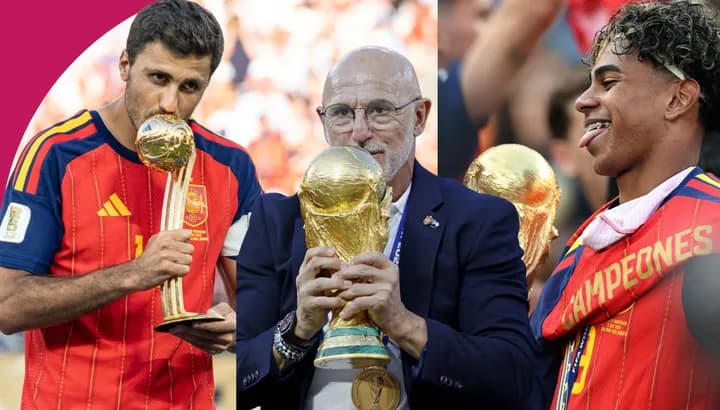
Rodri, the Spanish midfielder who won the Golden Ball, experienced a full circle moment by winning near where he camped as a teenager. At 39, Messi still dazzled, ranking second in scoring behind France’s Kylian Mbappé and pushing Argentina to another final. His subdued performance in the final reflected Spain’s suffocating defense.
New heroes emerged for American viewers: Norway’s powerful striker Erling Haaland, Cape Verde’s veteran goalkeeper Vozinha, and U.S. forward Folarin Balogun, who handled both goals and controversy with grace.
U.S. Team’s Rise and Regional Highlights
The U.S. impressed by winning their group with style. Their loss to Belgium in the Round of 16 was tough but respected for its effort. Other host countries also exited early, but Canada celebrated historic victories, and Mexico showcased memorable moments at Estadio Azteca before bowing out against England in a thrilling match.
Some giants stumbled. Brazil and Germany failed to advance deep, while Uruguay and South Korea disappointed. The Asian teams struggled overall. The U.S.’s Christian Pulisic fell short of expectations, leaving injured late in a key game.
Morocco confirmed its rising status by reaching the quarterfinals after knocking out the Netherlands and Canada. African teams performed well collectively.
Elite Performers and Spain’s Victory
The tournament highlighted stars in peak form. Mbappé became the all-time top scorer for World Cups, Messi showed brilliance, and players like Haaland, Harry Kane, Jude Bellingham, and Michael Olise shone.
In the end, Spain’s cohesive team outplayed opponents through possession, tight organization, and relentless pressure. Their men’s and women’s teams now demand respect worldwide.
The final wasn’t the prettiest match, and Spain should have ended it earlier than extra time. Still, it was a victory for La Roja and a celebration of the sport after 39 days of thrilling action across a captivated continent.