Understanding Extra Time and Penalty Shootouts in the 2026 World Cup Knockout Stage
The 2026 World Cup has reached the knockout rounds, trimming the field from 48 teams to 32. From the Round of 32 onward, every game must produce a winner on the day. Unlike the group stage where a draw earned both teams a point, knockout matches require a clear victor to advance.
Extra Time Explained
If a match is tied at the end of regulation, the teams play an additional 30 minutes divided into two 15-minute halves. This period is always played in full regardless of any goals scored. Back in the 1998 and 2002 World Cups, FIFA experimented with the "golden goal" rule, meaning the first goal in extra time ended the match immediately. That approach was dropped by 2006, returning to full extra time.
All standard rules remain during this period. Each team is allowed one extra substitution, so if a team used all five during regular time, they can still make one more in extra time, totaling six for the entire match.
Penalty Shootouts Decide Still-Tied Games
If the score remains level after 120 minutes, the match goes to penalties. Each side alternates taking five shots from the penalty spot, 12 yards from goal. The shootout concludes early if one team gains an unbeatable lead before all five kicks are taken.
If the teams are tied after those initial five shots each, the shootout moves into sudden death. Each pair of kicks forms a round: if one player scores and the other misses, the scoring team wins immediately. Sudden death continues until one team pulls ahead.
When all 11 players have taken a shot and the tie persists, the original five kickers take turns again under sudden-death rules. Only players on the field at the end of extra time can participate in the shootout. Substituted players or those sent off cannot take penalties. If one team has fewer players due to red cards or injuries, the opposing side must reduce its shooters to match the number.
Historical Context of Extra Time and Penalties in Finals
The World Cup final has entered extra time seven times. England’s 4-2 victory over West Germany in 1966 was the first to go beyond 90 minutes. Host nations Argentina in 1978 and Spain in 2010 also won finals in extra time, as did Germany against Argentina in 2014.
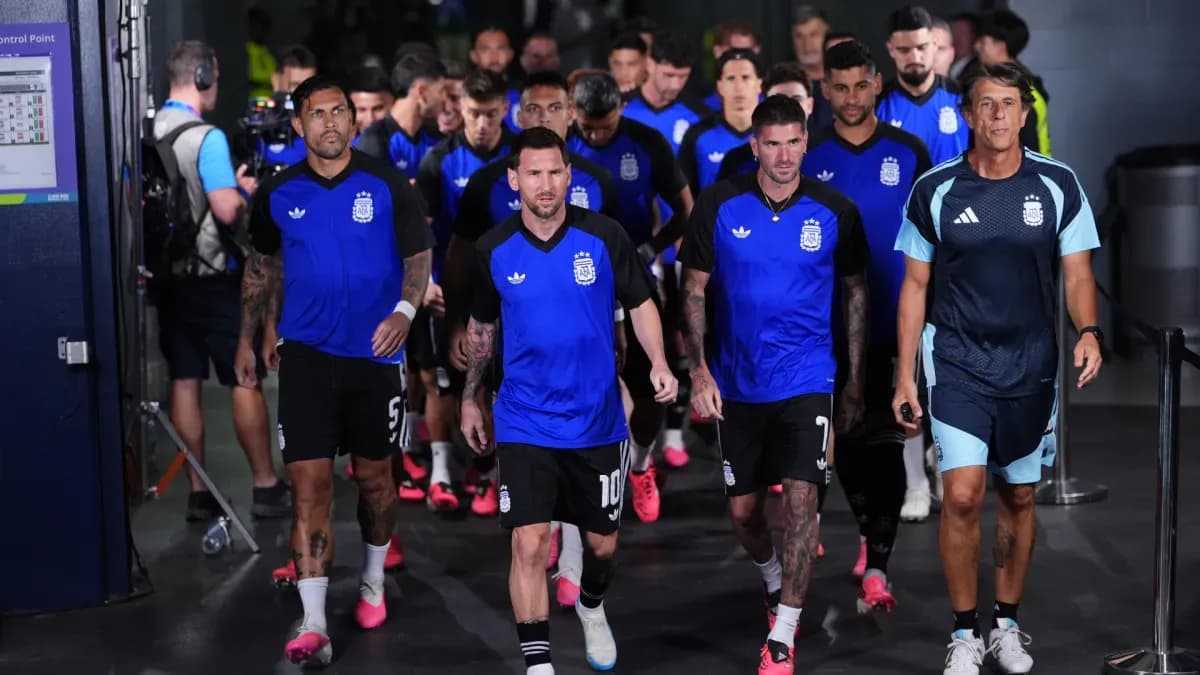
Penalty shootouts have decided the final three times. Brazil won against Italy in 1994 following a goalless draw. Italy triumphed over France in 2006 on penalties, while Argentina defeated France in a thrilling shootout after a 3-3 draw in 2022, bringing Lionel Messi his long-awaited World Cup success.