Achraf Hakimi Faces Criminal Trial for Rape Amid World Cup Duties
The legal battle surrounding Achraf Hakimi has moved into its most serious phase yet, with French authorities ordering the Paris Saint-Germain defender to stand trial for rape following a lengthy judicial investigation.
The case dates back to February 2023, when a young woman reported that she had been sexually assaulted at Hakimi’s home in Boulogne-Billancourt, just outside Paris. What followed was an extensive inquiry stretching over three years, involving prosecutors, an investigating judge and multiple layers of appeal.
This week, the investigating chamber in Hauts-de-Seine delivered its conclusion: the evidence gathered is, in its view, strong enough to send the 27-year-old Morocco international directly to a full criminal trial.
Court Clears Path to Trial
Before the final judicial referral was confirmed, the prosecution had already formally requested a trial, signalling its belief that the case should be heard in open court. The appeals court has now backed that position, closing the door on any prospect of the case being dismissed at this stage.
Rachel-Flore Pardo, lawyer for the civil party, welcomed the ruling as a significant step.
“The investigating chamber has ruled that there is sufficient evidence against Achraf Hakimi for having committed rape,” she said, calling the decision “perfectly consistent” with the evidence and with the opinions of the public prosecutor, the investigating judge, and the advocate general at the Court of Appeal.
For her client, she added, the ruling brings “relief and hope” — hope that the trial will not only address the alleged assault, but also “help other women and further erode the fortress of denial and impunity surrounding sexual violence, even within the world of men's football.”
The message was clear: this case, in the eyes of the civil party, now stands as part of a broader reckoning for elite sport.
Hakimi Breaks His Silence
Hakimi, who has long maintained his innocence, responded publicly after the decision, taking to social media to offer his version of events and his frustration with the process.
“The court looked me in the eye and said: ‘If you weren't famous, there would never have been a case,’” he wrote. “I chose to remain silent for years. I thought that remaining dignified, being patient, and trusting in the justice system would allow the right decisions to be made.”
His words marked a sharp shift from the relative discretion he had previously kept as the investigation unfolded. Now, with a trial looming, the defender is openly challenging both the basis of the case and the way it has been handled.
His legal team has gone even further. They have attacked the decision to proceed to trial, insisting that the investigation unearthed material that, in their view, should have ended the matter.
“The multitude of exculpatory elements revealed by the investigation and the judicial inquiry would, in any other case, have led to a dismissal,” Hakimi’s lawyer said. “Mr. Achraf Hakimi is now eagerly awaiting his trial so that he can finally speak publicly about the false accusation against him.”
Two starkly opposed narratives are now set on a collision course: one side invoking justice and accountability for victims, the other promising a forceful defence and denouncing what it calls a wrongful accusation.
World Cup Spotlight, Courtroom Shadow
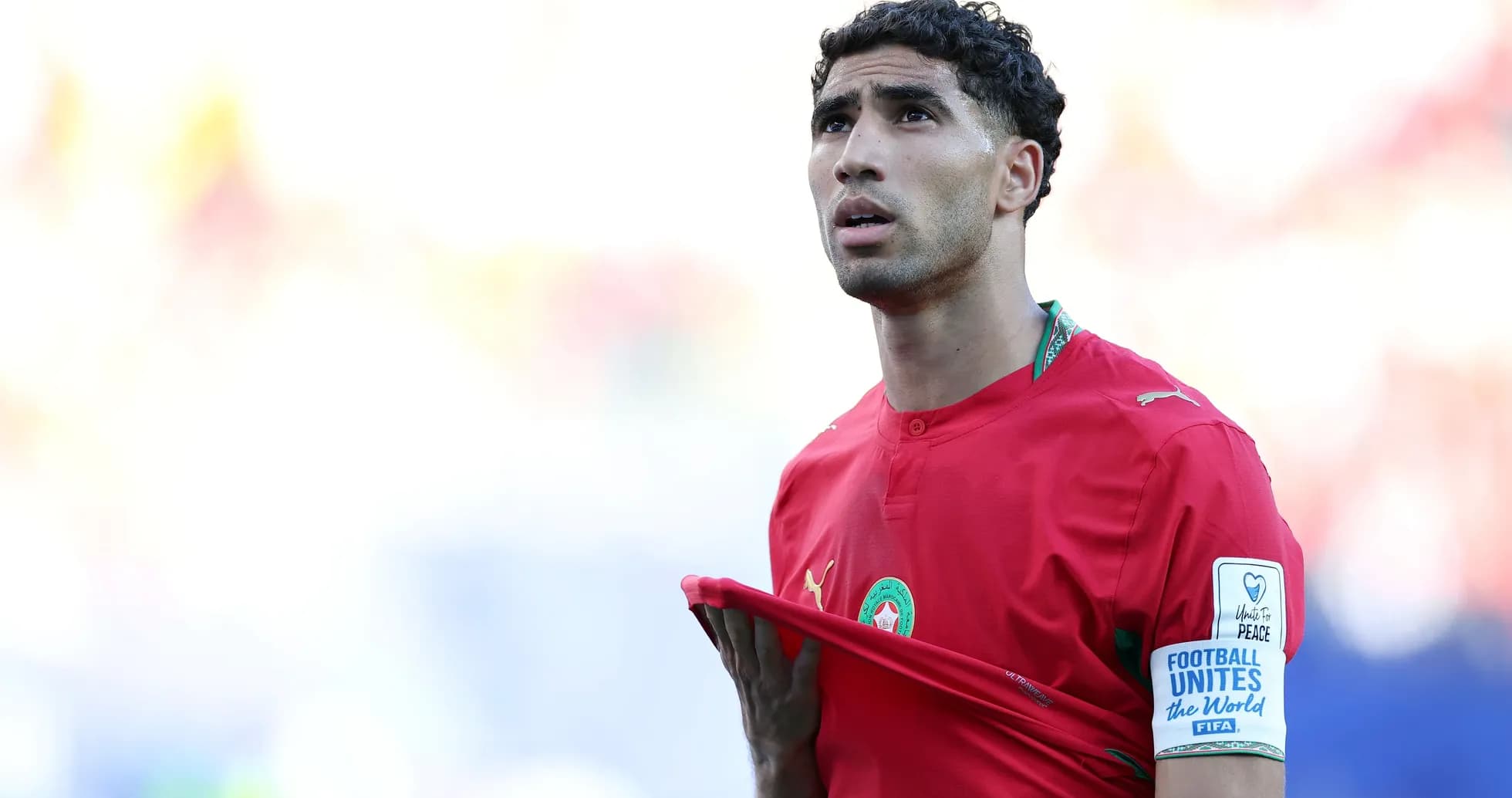
The timing could hardly be more sensitive. Hakimi is not only a central figure at Paris Saint-Germain; he is currently captaining Morocco at the 2026 World Cup, carrying the expectations of a nation that has grown used to seeing its team punch above its weight on the biggest stage.
On Friday evening, he is due to lead Morocco into a crucial second group-stage match against Scotland. Every touch, every run down the flank, will now unfold under the shadow of an impending criminal trial.
The contrast is stark. On one side, the roar of a World Cup crowd, the sharp focus of tournament football, the split-second decisions that define careers. On the other, the slow, methodical grind of the justice system, where testimony, forensic evidence and legal argument will decide far more than a result on a scoreboard.
For PSG, the development is impossible to ignore. The club will track the case closely as pre-season approaches, aware that a definitive trial date in France is expected to be scheduled soon. Any such date could cut across club commitments, media obligations and the player’s broader future in European football.
What happens next will not be decided on a pitch. It will be determined in a courtroom, under oath, with Hakimi and his accuser set to face the full scrutiny of a criminal trial that now feels inevitable — and potentially defining for both his career and the wider culture of the sport.