Africa’s 2026 World Cup Journey: Underdogs, Historic Moments, and Heartbreaking Late Goals
The 2026 World Cup marked Africa's largest ever representation, with 10 teams qualifying. While there were memorable moments and breakthroughs, the overall success was uneven. Only Morocco reached the quarter-finals, repeating their achievement from Qatar 2022 but falling short of reaching the semi-finals once more.
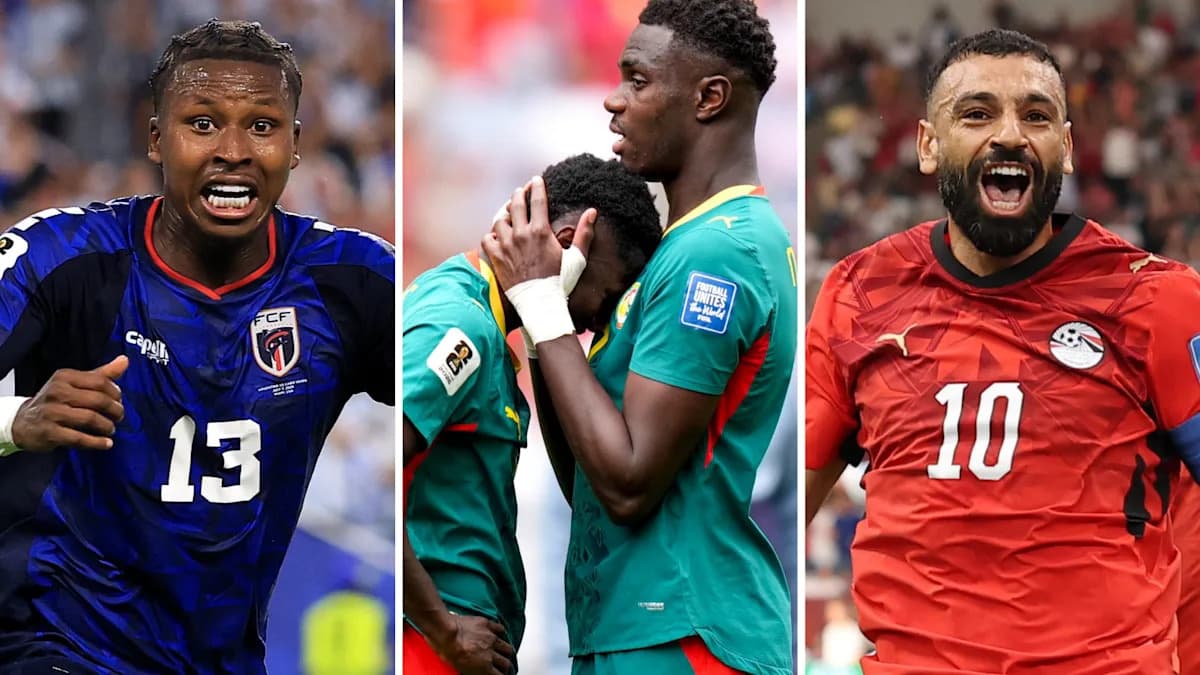
Late goals spoiled the hopes of five African teams, including Senegal and Egypt, both of which lost matches after leading by two goals. At the same time, first-time wins for Egypt and DR Congo signaled progress. Meanwhile, Cape Verde, Ivory Coast, and South Africa advanced beyond the group stage for the first time.
With Africa set to co-host the 2030 World Cup alongside Morocco, Spain, and Portugal, lessons learned this year could shape future campaigns.
Underdogs Capture the Spotlight
Cape Verde emerged as the tournament’s feel-good story. Making their World Cup debut, they advanced to the round of 32, drawing against powerhouses like Spain, Uruguay, and Saudi Arabia. Their narrow extra-time loss to defending champions Argentina (3-2) was nearly one of the biggest upsets in history.
Goalkeeper Vozinha gained global attention, his Instagram followers soaring from 50,000 to over 29 million during the competition. The 40-year-old even had a newly discovered sea slug named after him. Defender Roberto Pico Lopes emphasized that Cape Verde proved they could compete with top teams despite being a small nation.
“We’ve put ourselves on the map. We’re a small nation with big hearts, and we showed what is possible—if you believe, you can achieve,” Lopes told BBC Sport.
Morocco's Continued Strength
Morocco reinforced their status as Africa’s top-ranked team by becoming the first African side to reach back-to-back World Cup quarter-finals. Yet, like four years ago, they bowed out to France.
The team's style shifted to a more attacking approach under new coach Mohamed Ouahbi. Young midfielder Ayoub Bouaddi attracted attention from European clubs during Morocco’s run. Ouahbi expressed confidence in his youthful squad’s potential to keep improving.
“We have a young team who want to grow and talented players who will help us get better,” Ouahbi said.
The Curse of Conceding Late Goals
A recurring theme for African teams was conceding crucial late goals. Senegal led Belgium 2-0 with just minutes left, only to lose 3-2 after Belgium scored the latest winning goal ever in World Cup history. Both DR Congo and Ivory Coast surrendered match-winners in the 86th minute of their knockout games, and South Africa exited after a stoppage-time goal by Canada.
Egypt blew a two-goal lead against Argentina, eventually eliminated by a 92nd-minute header. Algeria and Ivory Coast also conceded injury-time goals during the group phase. This pattern raises questions about African teams’ ability to close out matches.
Sports psychologist Dr Nikita Rowley noted that fatigue and pressure often lead to mistakes late in games across all teams. She explained how cognitive strain affects focus, decision-making, and communication when the stakes are highest.
“The closer you get to something historic, the more psychologically demanding it becomes,” she said.
Building Experience and Growth
The tournament’s expansion to 48 teams meant more African sides qualified, increasing from five to nine guaranteed spots, with DR Congo joining through playoffs. Most teams passed the group stage, indicating improvement.
Gambian coach Mattar M Boge pointed out that many African players lack experience in high-pressure games compared to Europeans and South Americans, who play more competitive fixtures regularly. He highlighted the value of tournaments like Europe’s Nations League, which maintain competitive intensity through promotion and relegation.
“As Africa continues to develop and gain experience, our teams will get used to this collective responsibility,” Boge said.
Disappointments and Challenges
Tunisia was the biggest letdown, firing coach Sabri Lamouchi after a heavy 5-1 loss to Sweden in their opening match. New coach Herve Renard, a two-time Africa Cup of Nations winner, couldn’t reverse fortunes as Tunisia lost badly to Japan and Netherlands.
Ghana reached the knockout stage for the first time since 2010 but struggled offensively. They failed to register a shot on target in their last-32 defeat to Colombia and totaled only four shots on target across four games, a sign of overly defensive tactics under coach Carlos Queiroz.
Off-field Issues Shadow Success
The World Cup also exposed challenges off the pitch. Fans from several African nations, including Ivory Coast and Senegal, faced visa restrictions when traveling to the US. Others from Algeria, Cape Verde, and Tunisia were asked for large deposits before visas were granted.
Somali referee Omar Artan was denied entry despite holding valid papers, missing the tournament entirely. UEFA later assigned him to officiate the Super Cup between PSG and Aston Villa. FIFA received criticism for these decisions and other disciplinary issues involving US striker Folarin Balogun.
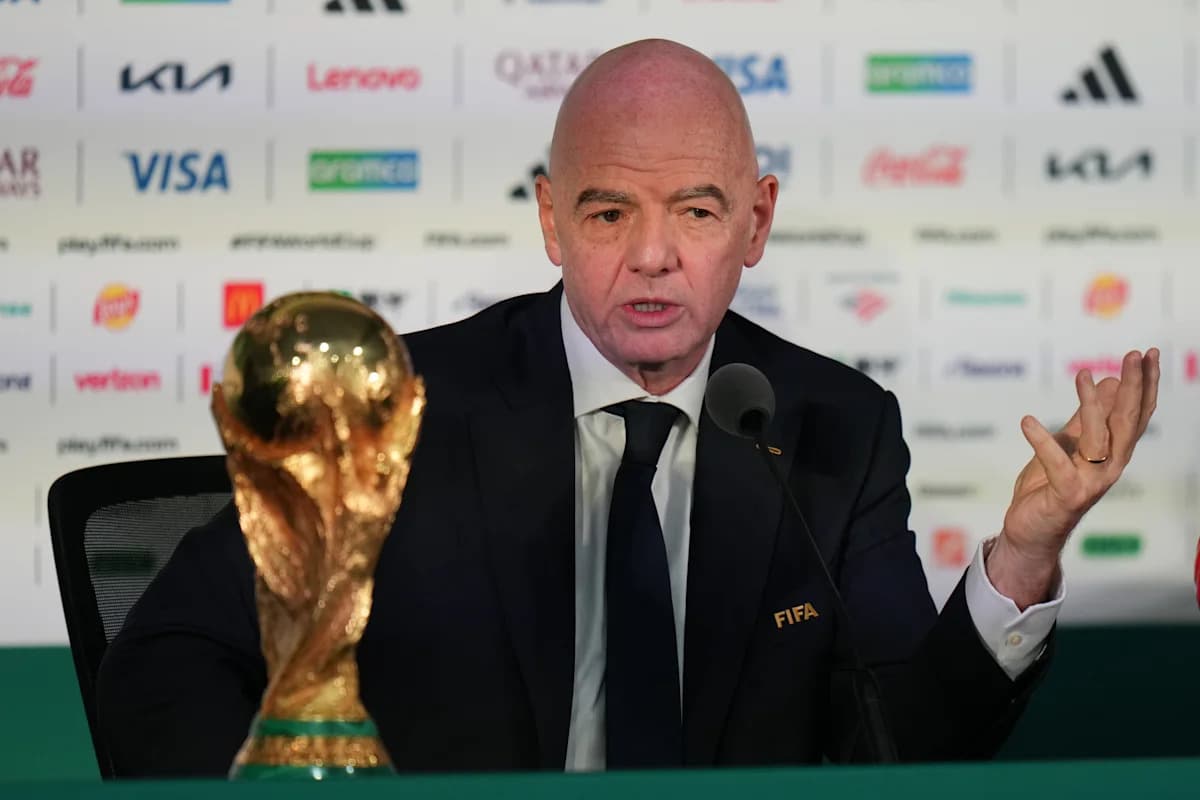
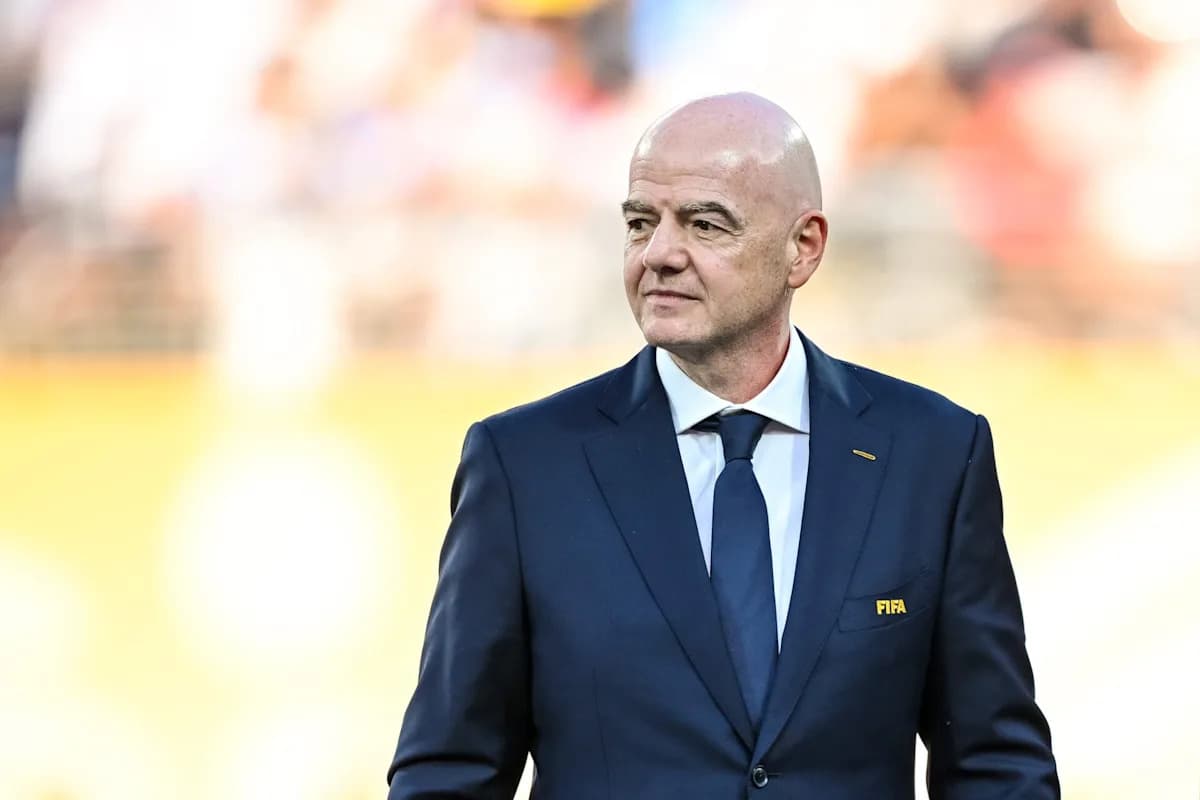
FIFA president Gianni Infantino has suggested expanding the World Cup to 64 teams, which would open even more places for African nations.
Despite notable milestones, Africa’s football journey at this World Cup revealed progress remains slow and challenges persist.