Al-Juwair Crisis Forces Tactical Changes for Saudi Arabia in Gulf Cup
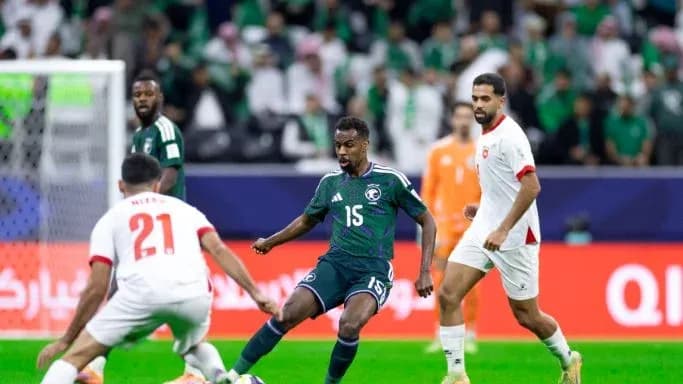
For Georgios Donis, the absence of Al-Juwair is not just a missing name on the team sheet. It rips out one of the few midfielders capable of dictating tempo, stitching the lines together and stepping into the build-up with authority. He was a reference point. Now he’s a headline.
Mukhtar Ali’s call-up fills the numerical gap, but not the void in profile. They are different types of players, and that forces Donis back to the drawing board. Some roles must be reassigned, some responsibilities redistributed. The system doesn’t collapse, but it bends, and every tactical tweak now comes with a countdown to the opening match.
The real danger, though, lies away from the white lines.
This crisis is no longer just about who plays in midfield. It’s about what the episode leaves behind it. Players read, listen and talk. The constant noise around their excluded team-mate, the public statements from management, the responses to those statements – all of it threatens to drag attention away from training pitches and match plans. In a short tournament, that’s toxic. There is barely any time to react, let alone to repair.
So crisis management becomes part of Donis’s job description. Not just for him, but for the entire administrative staff. A successful camp is never built on tactics and fitness alone. It needs calm. Clarity. A dressing room where every player understands his main task: work on the training ground, deliver in the match, and leave the media storms outside the hotel doors.
Saudi Arabia head into Gulf Cup 27 with something bigger than a trophy at stake. They need to change the image they have projected in recent times. This tournament offers a chance to rebuild confidence and correct course, not just to chase a title for the record books. That mission gets harder when the pre-tournament conversation drifts from how to improve the national team to who mishandled the Al-Juwair affair and who leaked what, when.
The controversy is not static; it grows with every new comment.
Hazazi has already criticised the handling of the situation, calling it “a distraction” for the national team. Al-Mefreg, on the other hand, has insisted that regulations must apply to everyone and warned that backing away from them could invite chaos inside the camp. Between those two positions sits the squad, watching an issue swell to a size far beyond its sporting weight before a ball has even been kicked.
That is how a limited disciplinary incident turns into a genuine problem.
Shut it down internally, have everyone accept the decision, move the spotlight back to the pitch – and it becomes a footnote, an anecdote from the days before the tournament. Let it drag on, and it starts to define the narrative. The decisive factor now is not the scale of the original offence, but how the next few hours and days are handled.
The fixture list offers no mercy. Saudi Arabia open against Kuwait on 23 September, meet Oman on 26 September and finish the group stage against Iraq on 29 September. Three matches in six days. No room for emotional hangovers, no space for side battles.
Those games will stress-test the squad’s capacity to live with pressure. A strong start against Kuwait could smother much of the noise in an instant. A stumble, though, would do the opposite. It would drag every old file back into the public arena and risk turning the Al-Juwair crisis into a broader indictment of the team’s mentality and its ability to cope under strain.
The answer will not come from microphones or written statements. It will come from performances.
No one can credibly claim that Saudi Arabia have already “lost” Gulf Cup 27 because of this episode. The tournament has not started. The team still has every opportunity to move on and make the football matter more than the fallout.
But they cannot allow the issue to grow by the day, not when the stated ambition is to fight for the title. If the players manage to park what happened and focus on the job in front of them, the storm may blow over quietly. If it seeps into training sessions, team meetings and the wider camp, Saudi Arabia may find themselves waging a mental battle long before they face Kuwait, Oman and Iraq on the pitch.