Alan Shearer Reflects on Premier League Record and Haaland's Threat
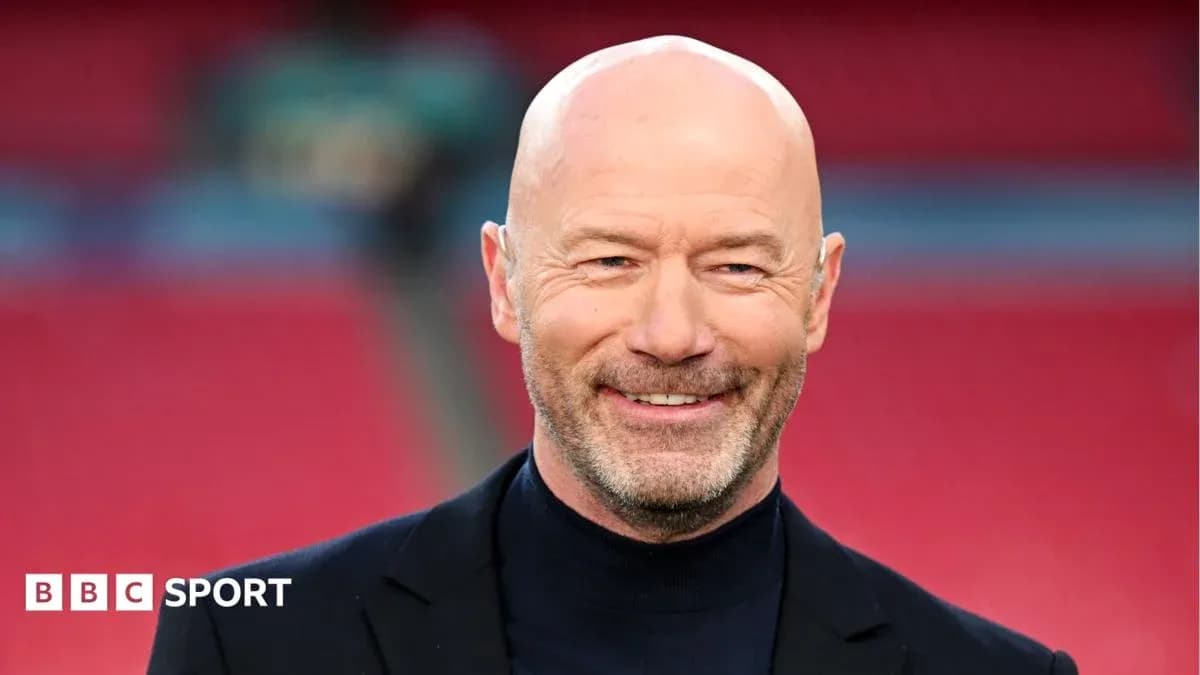
Alan Shearer laughs when he says it, but he is only half joking. If his Premier League goals record is going to survive, it would help if Erling Haaland booked a one-way ticket out of England.
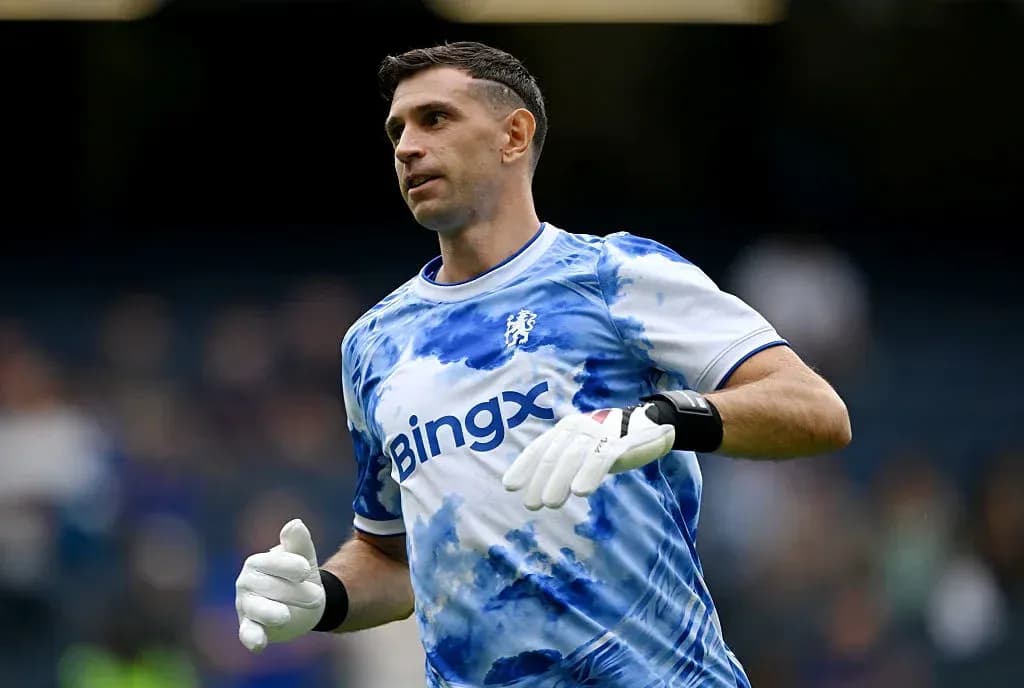
Shearer’s 260 goals have stood untouched since he retired in 2006, a monument built over 14 relentless seasons with Blackburn Rovers and Newcastle United. Haaland has taken barely four-and-a-bit campaigns to reach 120. The maths is brutal. If the Norwegian stays at Manchester City – and City stay what they are – the record is in serious danger.
Shearer knows it.
"I'm sure it will be broken one day, but I'll enjoy it while it lasts," he told the Football Interview. Then came the punchline that wasn’t really a punchline: "If we can get Haaland out to Real Madrid or somewhere like that in the next couple of years then it should be alright."
The grin says he’s playing to the gallery. The numbers say he’s right to be wary.
Leaving home, finding a career
Twenty years on from his last competitive game, Shearer sat down with Kelly Somers and rolled back to where it all started: not in black and white, but on a train heading south.
He was 15 when he left Newcastle for Southampton, a teenager in digs with another family on the other side of the country. At the time, it felt like the only way to chase the dream.
"I wouldn't change anything - one of the best things I did was move away from home at 15," he said. Only later, when his own children reached that age, did the decision hit him in a different way.
"But when my kids got to 15 I thought 'how on earth did my parents let me leave home at that age?'
"There's no way I could have let my two girls and my son walk away from their home at 15 years of age.
"I remember getting on the train at Newcastle Central station, looking at my mum and dad and the tears rolling down my mum's face when I was pulling out of the station and waving thinking, 'is this the last time I'm ever going to live back home?'"
That question lingered until 1992, when the route north finally began to open up. Blackburn Rovers, Sir Kenny Dalglish and a project that would change his life.
Title at Blackburn, unfinished business at Newcastle
Blackburn gave Shearer his one Premier League title, in that famous 1994-95 season. It also brought him back closer to home and into the orbit of the club he had always imagined representing.
By 1996, the pull of Newcastle United was irresistible. His return to Tyneside felt less like a transfer and more like a homecoming delayed.
Everyone expected trophies to follow. They didn’t. Two FA Cup final defeats, no league title, a team that flickered brightly but never quite delivered what it promised.
Silverware dried up, but something else grew. Shearer’s status.
He scored 206 goals in 405 appearances for Newcastle in all competitions, turned himself into the club’s defining modern figure and forged a bond with the city that still shapes his life.
He remembers standing on the Gallowgate End as a kid, eyes fixed on Kevin Keegan, the first man to wear the crown Shearer would later inherit.
"I saw the adulation that he [Keegan] had. He was like the pied piper in Newcastle, everyone followed him everywhere," Shearer said.
"I was one of those little kids that went to the training ground, to the ground - and I wanted a piece of that."
Years later, he signed for his boyhood club with Keegan as manager. The circle closed. The dream was real.
A legend in disguise
That bond with Newcastle has never loosened. It does, though, make a quiet matchday almost impossible.
On the rare occasions he goes to St James’ Park purely as a supporter, Shearer has to improvise.
"My friend owns a pub in Newcastle called Harry's and I get dropped off outside the pub and then I walk up from the ground," he said.
"I've got a cap on and I very rarely look up because it would take me forever to get from the pub to the ground. But I often do it.
"They've [friends] done that all their life and I'm able to do that now and I love it."
The all-time Premier League top scorer, head down in a cap, slipping through the crowds he once stood in as a boy. Different life, same walk.
Eight games, one relegation, no return
If his playing career was a long, upward curve, his time in management was the opposite: brief, intense, and brutally unforgiving.
In 2009, with Newcastle in deep trouble, Shearer stepped in as interim manager for the final eight games of the season. Sentiment said the club legend would inspire a revival. Reality gave him a relegation.
"Newcastle were in desperate trouble and I could never say no - we were bottom of the league, fighting for our lives," he said.
"I should have known that when I signed the contract on April Fool's Day that it wasn't going to work out!"
He had expected to go back into management. He went for interviews, came close, and even had an offer.
"I always felt that I was going to go into it again and I wanted to. I had a couple of interviews and got offered the job at Cardiff. And then things changed ... and I thought, 'what am I doing here?'"
That was it. Eight games, one relegation, and the dugout door quietly closed behind him.
From penalty box to television studio
The next act came with a microphone, not a whistle.
Shearer is now a fixture on Match of the Day, a regular voice on England games, and part of the trio with Gary Lineker and Micah Richards on The Rest Is Football podcast. Two decades after he stopped scoring, he has become one of the most listened-to analysts in the game.
The schedule is unforgiving. The glamour of the studio hides a long slog from the north east.
"It is such a long day. For me travelling from Newcastle, it's a probably 19-20 hour day," he said.
"What people don't realise is that you're meant to be at your brightest and your liveliest when you go on live at 10:30, whereas if you're watching football all day on the settee, you're ready to nod off at that time."
He doesn’t nod off. He watches, he judges, he explains. He tracks every run, every finish, every young striker who might one day come for his record.
Haaland is the obvious threat now. Harry Kane was the last one, his 213 goals cut short in Premier League terms when he left Tottenham Hotspur for Bayern Munich in 2023.
If the Norwegian stays, the numbers will keep climbing. If he goes, someone else will emerge. Shearer knows the game too well to believe otherwise.
For now, though, the number 260 still stands. The man who set it spends his weekends watching the league he once dominated, eyes peeled for the player who might finally chase him down.