Allegri's Challenge as Milan Faces Season Defining Moments
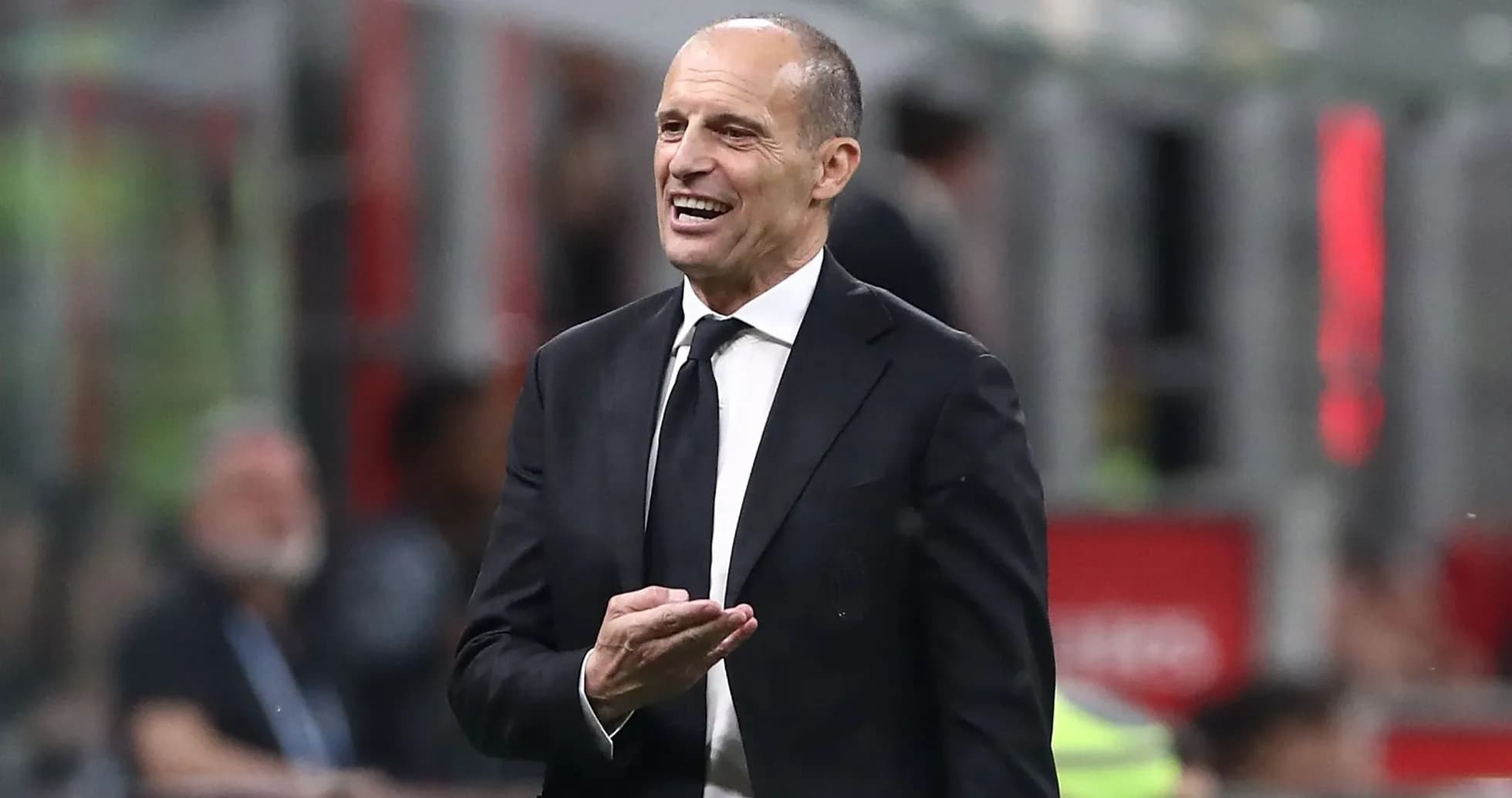
Massimiliano Allegri picked his moment. Not in a press room, not in front of cameras, but in the heart of Milanello, with tension thick in the air and a season threatening to unravel.
According to Tuttomercatoweb, the 58-year-old coach halted the routine of Tuesday’s work and called his players together at the training ground. No hiding behind analysis clips or tactical boards this time. This was direct, face-to-face, and loaded with consequence.
Milan had just been beaten 2-0 away to Sassuolo, a defeat that did more than dent pride. It crystallised a slump that has dragged the Rossoneri from title talk into a desperate scrap to stay in the top four. They sit third in Serie A on 67 points, with Juventus and Roma close enough to smell blood. One more misstep and the whole campaign could tilt.
Allegri, acutely aware of that, went straight for the core of the group.
Responsibility or Collapse
The message, by all accounts, was blunt: this is on you. All of you.
He reminded the squad that they have worked “seriously and intensely” for 10 months, grinding through the long winter, the double sessions, the tactical tweaks, the pressure. That effort, he stressed, gives them an obligation. Not to drift. Not to surrender. To complete the path they started and hit the objectives they set when the season began.
This wasn’t a tactical debrief. It was a challenge to their identity.
Allegri pushed hard on the idea of collective responsibility. No scapegoats, no excuses. If Milan are to avoid a full-scale collapse in the final weeks, every player in that dressing room has to own the situation. From the stars to the squad men, from the veterans to the kids.
He spoke about the weight of the shirt. About what it means to walk out in Milan colours when the club is under strain, not only when the team is flying. About the duty to respond, not sulk.
Fans Give, Then Turn
In Reggio Emilia, the travelling supporters had done their part. They sang and pushed and refused to turn on the team during the 90 minutes, even as the performance sagged and the goals went against them. Only after the final whistle did their frustration spill over, their dissent finally audible.
Allegri used that too. He demanded a reaction not just for the sake of the table or the club hierarchy, but for those fans who followed them, who stayed with them until the end, and only then let out their anger. That loyalty, he implied, demands a response.
Turn it around for yourselves. Turn it around for the jersey. Turn it around for them.
Walking a Psychological Tightrope
Behind the stern tone lies a delicate balancing act. Milan are not just dropping points; they are leaking confidence.
The coach knows it. He is not only fighting tactical problems but a fragile mentality. His task now is to squeeze every last drop from a core that looks physically and mentally stretched, while somehow keeping them believing that the finish line is still theirs to control.
The margin for error is thin. Milan hold just a three-point cushion over fourth-placed Juventus. One bad week and they could be staring at a disaster: Champions League football gone, revenue hit, status questioned, and a summer storm brewing over San Siro.
Allegri’s address, then, was as much about psychology as strategy. Strip away the noise, strip away the doubt, and narrow the focus to the final sprint.
Three Games to Define a Tenure
The run-in could not be clearer, or more brutal in its simplicity: Atalanta, Genoa, Cagliari. Three league fixtures that will shape not only Milan’s season, but quite possibly Allegri’s future.
Atalanta bring intensity and bite. Genoa can suffocate a game and drag a superior side into a scrap. Cagliari, fighting for their own survival and pride, will not roll over for anyone. There are no free hits here, no gentle landings.
Milan must collect the points that guarantee Champions League qualification. There is no alternative scenario that can be dressed up as acceptable. Miss out, and the consequences will be severe.
Inside the club, everyone knows what that would mean. A failure to secure a top-four spot would almost certainly trigger sweeping changes to the sporting project. Recruitment plans would be ripped up and rewritten. Big decisions on personnel, structure, and direction would dominate the summer window.
For Allegri, it is even more personal. These final three games are not just fixtures on a calendar; they are a verdict. On his management of the slump. On his ability to steady a listing ship. On whether this chapter of his Milan story continues or closes abruptly.
The tension at Milanello on Tuesday was not just about a bad week. It was about a season balanced on a knife-edge, a manager staring down the barrel, and a group of players now forced to answer the only question that matters: when the pressure bites hardest, are they strong enough to keep Milan where Milan believe they belong?