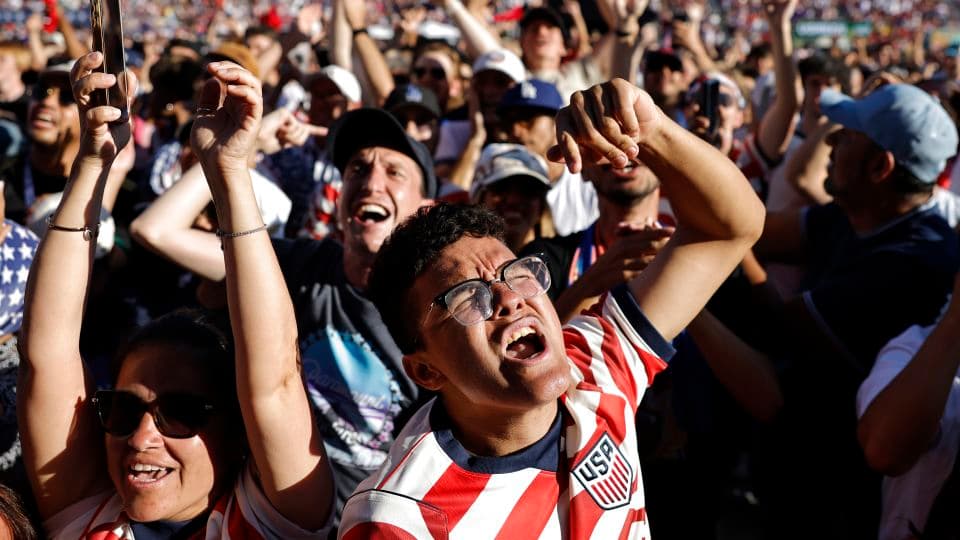
How the World Cup Turned Into America's Unexpected Summer Celebration
Before this World Cup kicked off, worries were everywhere. The long US government shutdown had many cities scrambling to prepare for a flood of visitors without enough money. Political tensions within the country seemed likely to keep international fans away. Skyrocketing prices threatened to empty stadiums as fans faced steep travel costs. The outbreak of war in Iran further tainted the US image at home and abroad.
As someone who loves the World Cup, I was bracing for a disappointment. But that thought couldn’t have been further from reality.
From the first kickoff in Mexico City to the final whistle in New Jersey, North America hosted one of the most memorable celebrations in sports history. It was a shift in energy that felt necessary.
Fans Uniting Across Borders
On opening night in Mexico, South Korean and Mexican supporters mingled like old friends. In the US, Scottish fans emptied Boston’s pubs while Norwegians turned every surface into a makeshift rowing boat. South American fans from Brazil, Argentina, and Colombia flooded cities, bringing their passion. Visitors discovered local American treats, like Buc-ee’s snacks and Waffle House breakfasts.
For a brief moment, Americans dared to imagine their team as real contenders after two inspiring wins early on. The usual political turmoil seemed distant as headlines from Lawrence, Kansas, Boston, Miami, Seattle, and Atlanta celebrated the spirit of the tournament. The country’s hospitality shone through, reminding many that despite its flaws, America can still offer something special.
Politics Cast Shadows, But Soccer Dominated
The tournament wasn’t free from political issues. Iran’s team faced last-minute disruptions with training locations and travel restrictions. President Donald Trump’s involvement in the Folarin Balogun situation raised questions about fairness until Belgium’s strong win over the US ended that chapter. Visa problems affected referees and teams, linked to policies from the Trump era.
Still, even as politics tried to take center stage—like during the nation’s 250th birthday events or controversies in Washington—the focus kept shifting back to the game itself. When Trump grabbed headlines with the Balogun story, soccer reclaimed the spotlight the very next day. Lionel Messi and Argentina staged a thrilling comeback against Egypt, winning 3-2 in a match many called one of the tournament’s best moments.
Lasting Impact Beyond Numbers
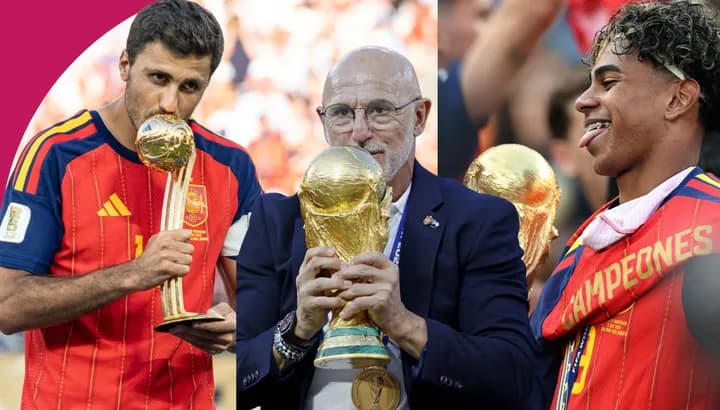
After Spain’s Rodri lifted the trophy and celebrations faded, experts will debate the economic impact on host cities and whether hosting was worthwhile. But one thing stands clear: this event changed how the world sees America. Visitors repeatedly noted that everyday Americans didn’t fit the negative stereotypes they expected. Instead, they encountered warmth and friendliness that proved to be the nation’s strongest quality.
The country still has problems to fix, no doubt. Yet for 39 days, the focus was on joy. We danced with Congolese fans celebrating their historic progress, marveled as Cape Verde nearly toppled past champions, and shared stories with people from places we might never visit otherwise.
This World Cup may have ended, but it left behind memories and perhaps new perspectives—on how the world views America and how Americans see themselves.