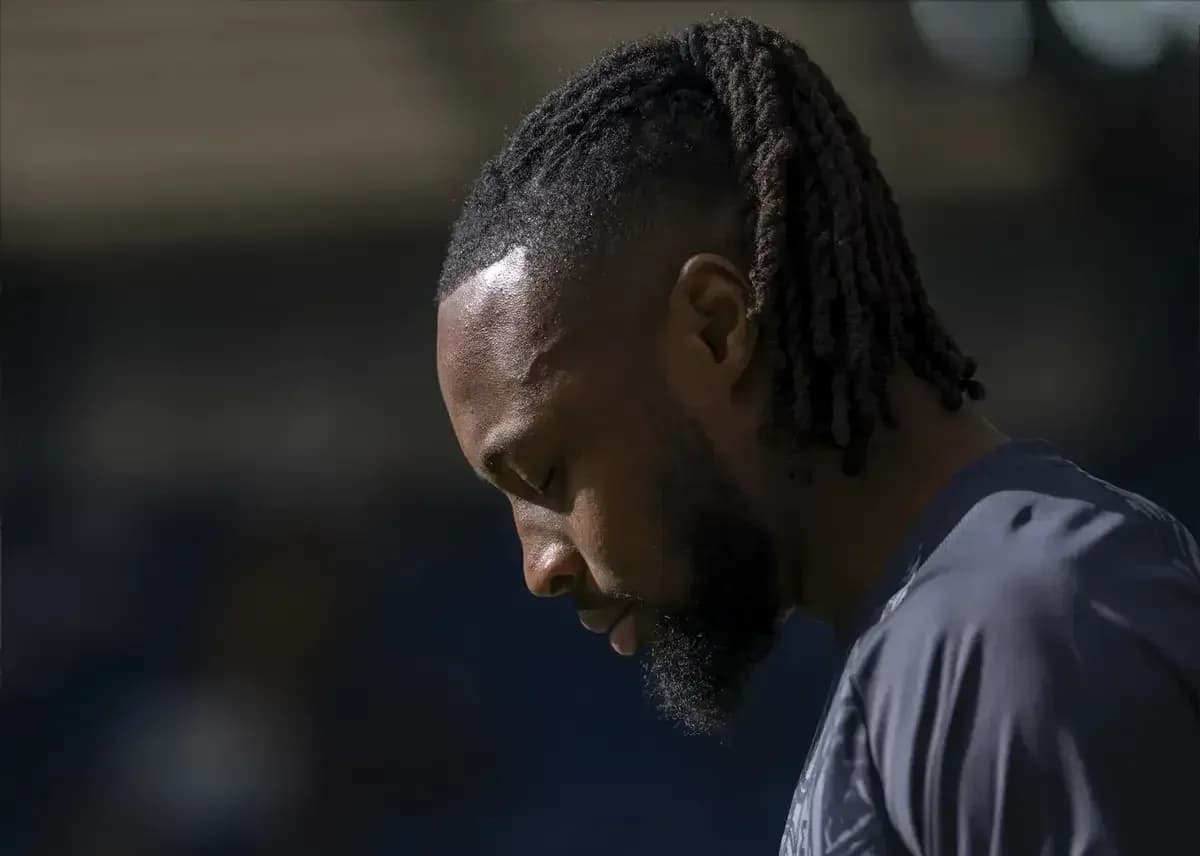
Antoine Semenyo: From Standout Performer to Victim of Racial Abuse
Antoine Semenyo walked out of Stamford Bridge on Sunday as one of Manchester City’s standout performers. By Monday night, his phone was a reminder of football’s darkest habit.
The 26-year-old Ghana international, a £64 million January signing from Bournemouth, revealed he had been subjected to vile racial abuse on Instagram in the aftermath of City’s 3-0 win over Chelsea. A routine post-match celebration shot turned into yet another case study in how easily hate seeps into a player’s mentions.
From statement signing to key starter
Semenyo has wasted no time justifying his fee. Dropped straight into Pep Guardiola’s attack, he has slotted in with the assurance of a player who looks born to this stage, quickly becoming one of the first names on the teamsheet.
City’s forward line, heavily dependent on Erling Haaland in the first half of the season, suddenly looks more varied, more unpredictable. Semenyo’s movement and aggression have added a different edge, while fellow January arrival Marc Guehi – also on the scoresheet at Stamford Bridge – has stiffened the spine behind him.
The result in west London was ruthless. City punished Chelsea, capitalised on Arsenal’s slip against Bournemouth at the Emirates, and sliced the gap at the top to six points with a game in hand. Jeremy Doku has already called this Sunday’s clash with Arsenal at the Etihad a title decider. On current form, Semenyo is central to that plan.
Yet the conversation has been dragged away from tactics and title races.
Abuse in the aftermath
After the win, Semenyo did what almost every modern footballer does: posted a celebratory image on Instagram. Buried among the usual emojis and praise sat a racist slur. He chose not to ignore it. Instead, he shared the comment on his story on Monday evening, exposing the abuse rather than allowing it to sit quietly in his notifications.
The incident is depressingly familiar. Manchester City players, and Black footballers across the game, have been here before – on the pitch, in the stands, and increasingly, on screens.
Stamford Bridge itself is no stranger to this conversation. In the 2018–19 season, Raheem Sterling was racially abused by Chelsea supporters during a match at the same ground. Those responsible were identified and banned, a rare moment of clear consequence in a landscape where accountability often feels optional.
Online, the pattern repeats with numbing regularity. Anonymous accounts, throwaway usernames, a few taps on a phone. A player opens an app and finds a slur where a message of support should be. The game moves on. The abuse doesn’t.
The question that won’t go away
The latest incident does more than stain a single night. It sharpens an uncomfortable question: are social media platforms doing anywhere near enough to stop this?
Clubs can condemn. Leagues can launch campaigns. Players can call it out. Yet the sense of normalisation is what truly chills – the feeling that, for many footballers of colour, this is simply part of the job description.
For Semenyo, this is unlikely to be the first time he has faced racism in his career. That, in itself, says everything. A player in the form of his life, leading the line for the reigning champions in a title chase, still cannot escape the same tired, toxic script.
Inside the Manchester City dressing room, he will not stand alone. It is a heterogeneous, multinational squad that has long championed diversity and unity, and Semenyo will have full backing as he prepares for Arsenal’s visit.
The focus this weekend should be on his movement between the lines, his understanding with Haaland, his impact on a season that could yet swing City’s way. Instead, the sport is forced to confront a familiar, brutal reality.
The next step is obvious, yet still unanswered: when does this stop being treated as inevitable?