Al-Hilal's New Era: KHC Takes Control of Saudi Football Powerhouse
Al-Hilal, the powerhouse of Saudi football and serial collector of trophies, has a new majority owner – and it comes from within the kingdom’s own elite business circles.
In a move that reshapes the top end of the Saudi Pro League, the Public Investment Fund (PIF) has sold 70 percent of Al-Hilal to Kingdom Holding Company (KHC), the investment vehicle of Prince Alwaleed bin Talal. The deal values the club’s share capital at 1.4 billion Saudi riyals, around $373 million, and hands day-to-day control of one of Asia’s most decorated sides to one of Saudi Arabia’s most prominent businessmen.
PIF, which also owns English Premier League club Newcastle United, keeps a minority stake and a seat at the table. But the badge of ownership now sits firmly with KHC and Prince Alwaleed, who framed the takeover in overtly national terms.
“Al-Hilal is a national symbol and a source of pride for the Saudi people,” he said in a statement, casting the deal as something far beyond a balance-sheet transaction. “This acquisition expresses our deep belief in the power of sports as a unifying force and a catalyst for national development. By applying our global investment standards and cultivating strategic partnerships, we will unlock Al-Hilal's full potential while preserving its history and identity.”
That balance — global ambition, local identity — has become the defining tension of Saudi football’s modern era.
PIF steps back, but not away
The timing of the sale is striking. PIF’s sporting portfolio, especially its backing of LIV Golf, has come under intense international scrutiny, with reports circulating that the breakaway golf tour is under threat amid questions over continued Saudi financing. Against that backdrop, the fund is recalibrating.
“The sale aligns with PIF's strategy to maximize returns and redeploy capital within the domestic economy,” the fund said. “This strategy supports PIF's wider efforts to drive the development and diversification of Saudi Arabia. PIF is unlocking opportunities to make a transformative impact in the Saudi sports sector and deliver positive, long-term results.”
This is not an exit, but a reshaping of roles. PIF stressed that it had “led the transformation of Al-Hilal... empowering it to achieve significant growth in value” and promised to “continue supporting Al-Hilal's growth journey” as a remaining shareholder.
That transformation has been dramatic. In 2023, as part of a sweeping sports investment push, PIF took majority control of four of the league’s biggest clubs: Al-Hilal, Al-Nassr, Al-Ahli and Al-Ittihad. The strategy was clear – supercharge the domestic game, pull in global stars, and turn the Saudi Pro League into a destination rather than a detour.
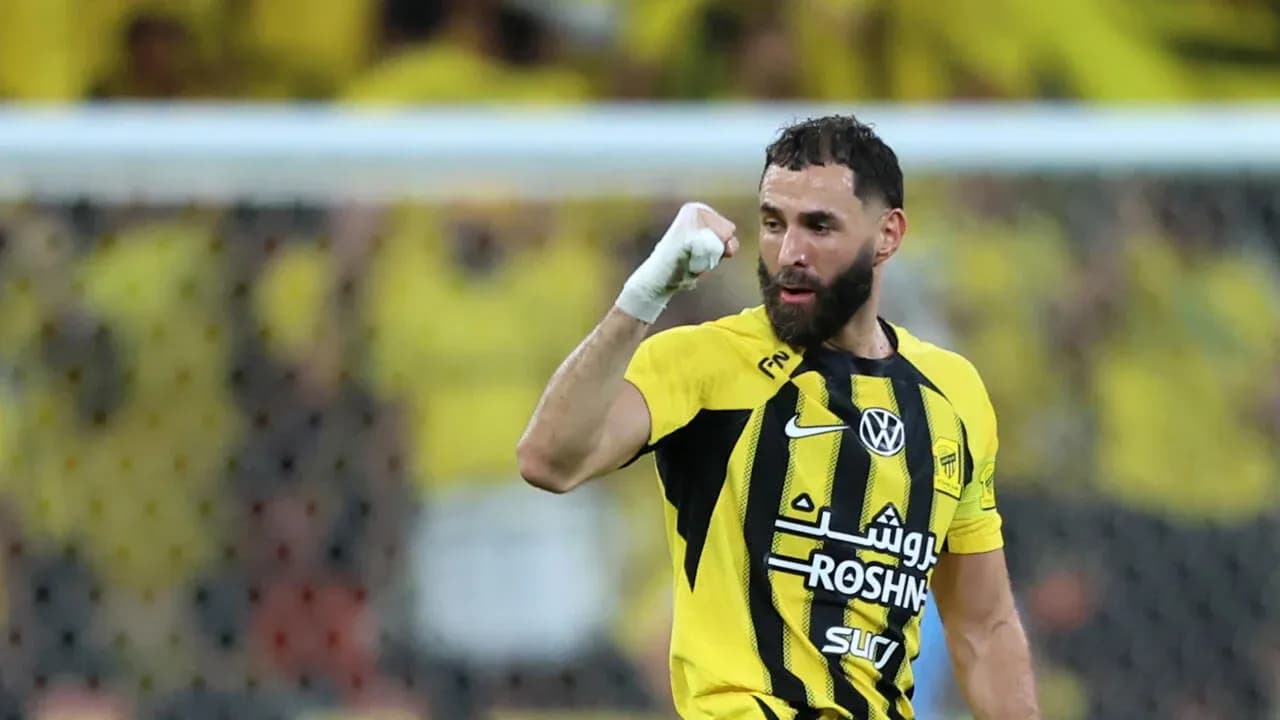
The money that followed changed the landscape. Al-Hilal moved aggressively in the market, landing a host of foreign players, including Brazilian star Neymar, whose arrival sent shockwaves across world football before his departure in January 2025. French striker Karim Benzema, having terminated his contract with Al-Ittihad, became the latest marquee name to join the Riyadh giants, underlining the club’s enduring pulling power.
A new era for a Saudi giant
Now, with KHC in control, Al-Hilal enters a different phase. Less state-fronted, more corporate in structure, but still deeply tied to the kingdom’s political and economic project.
Prince Alwaleed’s words hint at a club expected to operate with the polish of a global asset while remaining a totem of national pride. “Global investment standards,” “strategic partnerships,” “full potential” – this is the language of a boardroom, not a dressing room, yet it will shape what happens on the pitch.
For Saudi football, the move offers another glimpse of the long game. PIF steps slightly back from the front line while insisting it is still driving “transformative” change across the sports sector. KHC steps forward with a flagship club that already dominates domestically and aspires to rule Asia.
Al-Hilal, long used to carrying the weight of expectation, now carries something else as well: the task of proving that Saudi football’s investment boom can evolve from headline-grabbing signings into a sustainable, globally respected model.