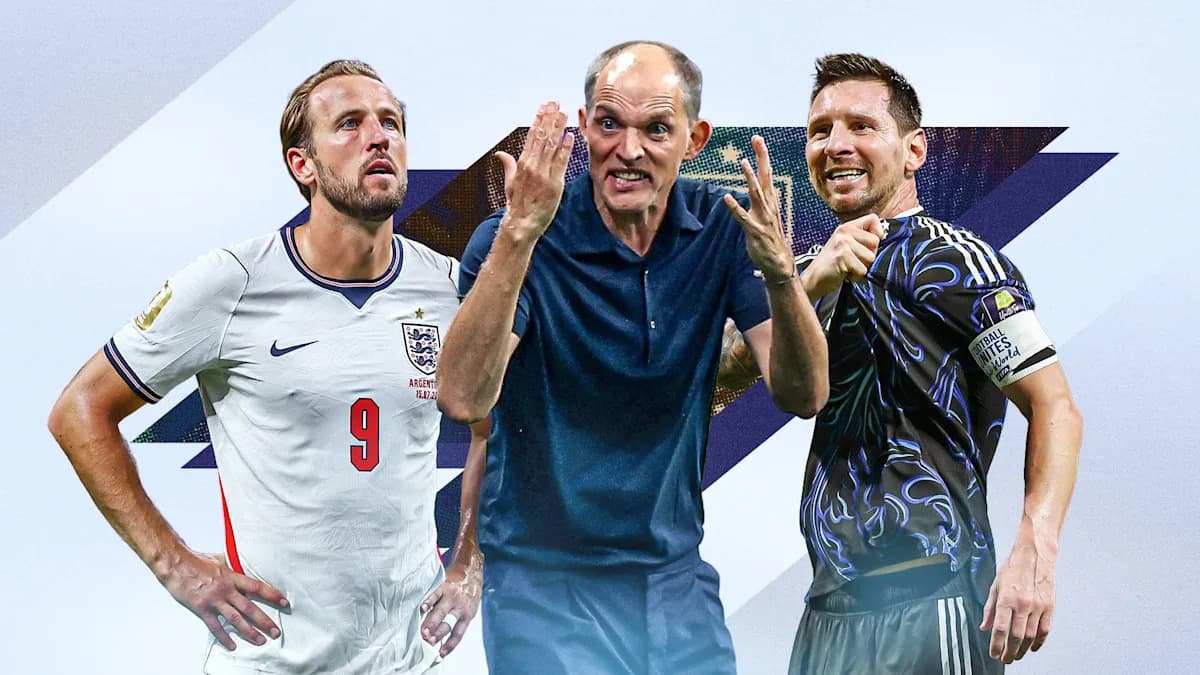
Argentina Edges Out England in World Cup Semi-Final as Tactical Choices Cost the Three Lions
For most of the match, England matched Argentina step for step. Holding a narrow 1-0 lead against the reigning champions, it seemed as if the Three Lions were headed to their first World Cup final since 1966. Then, decisions from manager Thomas Tuchel shifted the momentum.
After substituting goal-scorer Anthony Gordon for Ezri Konsa, Tuchel added two more defenders aiming to protect the advantage. England retreated deeply, bracing against the relentless creativity of Lionel Messi, hoping their defense would hold. That hope was not realized.
Late Surge by Argentina Seals England’s Fate
In the last five minutes, Argentina's sense of destiny took over. They scored twice, overturning the deficit and ending England’s hopes of advancing. Despite controlling the game well for much of the time, England collapsed under pressure, unable to defend crosses or win duels effectively, as Tuchel admitted after the match.
The game had been cagey early on. Both sides struggled to create chances, with Argentina focusing on physical dominance. Ten minutes into the second half, Gordon’s goal off Morgan Rogers’ cross gave England control, but instead of pressing their advantage, they retreated.
Messi’s Masterclass When It Mattered Most
Messi had been quiet for most of the match, contributing little beyond clever touches and a notable foul drawn from Elliot Anderson. But when England parked the bus, he thrived. Finding space around the penalty area, Messi orchestrated Argentina’s comeback.
His first assist, a precise pass to Enzo Fernandez, came instinctively. His second, a brilliant floated ball that Lautaro Martinez headed home, displayed the brilliance that has defined his career. England’s Harry Kane recognized the danger too late, admitting the space Messi was given in the final minutes was decisive.
Tuchel’s Defensive Shift Draws Criticism
Thomas Tuchel was brought in to steady England at crucial moments. Instead, he appeared to succumb to the team’s familiar struggles. Switching to a back five and adding defensive players after taking the lead contributed to England ceding control.
By the time Dan Burn and Nico O'Reilly entered the field, Argentina dominated possession. Tuchel accepted blame post-match but the loss reflects a recurring pattern of England faltering when protection is needed most.
Scaloni’s Bold Moves Pay Off
Across the pitch, Lionel Scaloni maintained belief and adjusted tactically. Removing his best player, Leandro Paredes, for a more attacking Nico Gonzalez, and shifting Rodrigo De Paul into midfield areas England struggled to defend, showed his willingness to adapt aggressively.
Argentina plays for Messi, and Scaloni knows how to build a flexible team around him. This approach has led to consistent success since 2021, and now places them one victory away from a fourth tournament triumph under his guidance.
Kane Struggles to Impact the Game
Harry Kane failed to find his usual influence. Pulled into midfield battles and deeper positions, he managed just a single blocked shot and no meaningful presence inside the penalty box. With a home Euros looming, this World Cup may have been Kane’s last major international tournament at his peak.
Argentina’s Path Fueled by Belief
Argentina’s run to the final is marked by narrow wins and comebacks, suggesting a strong faith in their ability to prevail. Their resilience has been tested repeatedly, including extra-time victories and penalty shootouts. This spirit will be key as they face Spain in the final.
England’s Persistent Psychological Barrier
Despite Tuchel’s pragmatic approach, England’s struggle to maintain composure in big moments remains evident. Having led in three out of four recent major knockout matches against top teams, the Three Lions still fell short each time.
Since 1998, England has lost every World Cup match against a top-10 ranked side. Tactical errors played a role, but the deeper issue lies in an unresolved inferiority complex that hampers performance under pressure.