Argentina’s Anti-Football at World Cup Casts a Shadow Over Messi’s Farewell
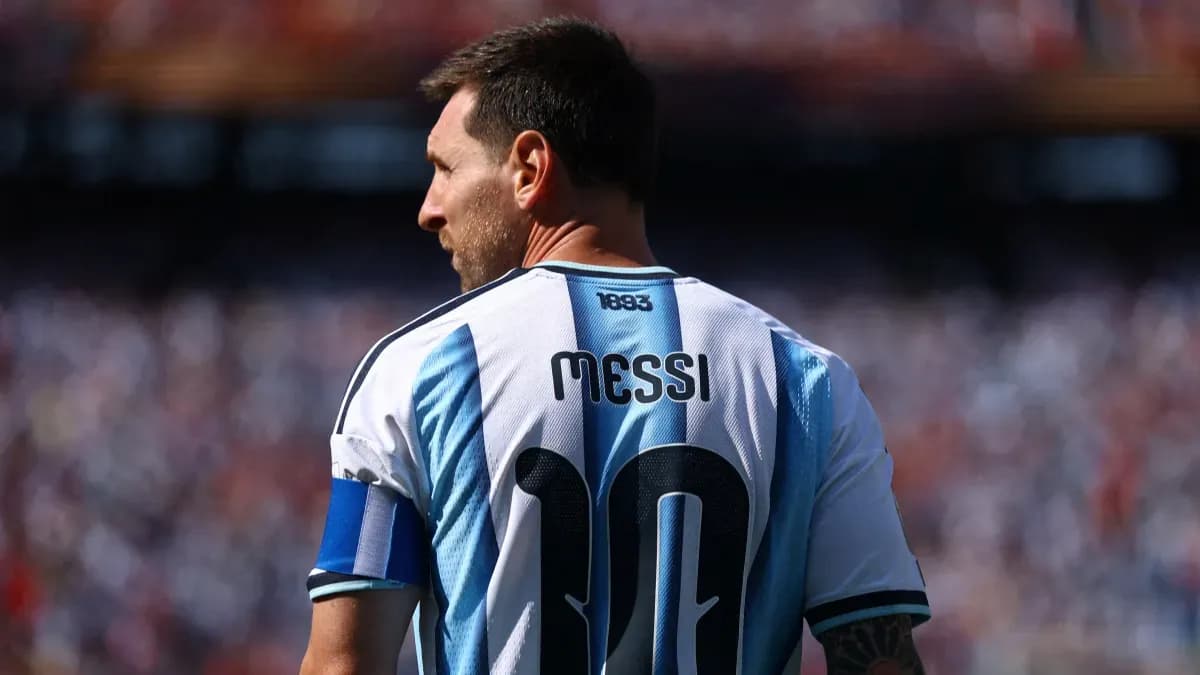
As Spain’s players erupted in celebration after Ferran Torres’s winning goal, Lionel Messi adjusted his socks quietly. It wasn’t the fiery frustration fans have seen before; instead, Messi looked drained. His third World Cup final had become a weary, reluctant effort under the New Jersey sun.
By the time extra time arrived in the 2026 final, Argentina's only recent shot on target was Lautaro Martinez’s semifinal winner over England. Messi's presence barely registered on the pitch as he labored on the edges, far from the commanding force he once was.
Maybe that explains why anyone with pride would want to distance themselves from Argentina’s performance in their 1-0 loss at MetLife Stadium. Their display was nothing short of disgraceful.
Argentina’s Football: Beauty and Brutality
Argentine football is a mixture of enchantment and frustration. Its rich history springs from foundational myths and iconic stories. Messi represents the pinnacle of beautiful football, yet Argentines believe their style is deeply rooted in passion and flair, tracing back to River Plate’s La Maquina in the 1940s and the golden era of Diego Maradona.
The 1957 Copa America team, led by stars like Omar Corbatta and Antonio Angelillo, embodied the flowing attack known as la nuestra. Yet this elegance coexisted with cunning tactics and street smarts—sometimes called the dark arts. Maradona’s infamous Hand of God goal alongside his Goal of the Century highlighted this duality.
Some Argentine teams have thrived on toughness, notably Estudiantes in the late 1960s, whose hard-nosed approach sparked fierce clashes in the Intercontinental Cup.
The nation’s two World Cup triumphs reveal a split philosophy. Cesar Luis Menotti’s 1978 squad played expressive, attacking football, while Carlos Bilardo’s pragmatic 1986 team leaned on Maradona’s brilliance and a more grinding style. The 1990 final, marked by dismissals and a dour defeat to West Germany, remains one of the ugliest finals ever—a label that could rival what happened recently in New Jersey.
An Unsettling End to Messi’s Era
This tension between artistry and pragmatism has always fueled Argentine soccer. In the 2020s, with Messi’s career winding down, there was a push to balance that madness with purpose.
Coach Lionel Scaloni rebuilt the team after the 2018 disappointment, gradually easing Messi’s burden. Qatar 2022 brought triumph and moments of joy—youthful talent like Enzo Fernandez and Julian Alvarez emerged, Angel Di Maria shone, and Messi delivered an unforgettable performance to help claim arguably the finest World Cup final ever against France.
Still, after their 2021 Copa America win and another title in 2024, expectations were high for Messi’s last tournament. He dazzled early, scoring six group-stage goals, including a hat-trick against Algeria. His magic continued with a sublime finish against Cape Verde and a crucial equalizer versus Egypt that brought him to tears.
The challenges mounted against European teams. Argentina scraped past Switzerland in extra time, edged England after a comeback, but then faced a fresher, technically superior Spain side in the final.
At that moment, Argentina reverted to less noble tactics. Referee Slavko Vincic allowed a physical, disruptive game. Alexis Mac Allister escaped booking for a harsh challenge on Dani Olmo. Argentina pushed the limits, seeking to frustrate Spain’s rhythm.
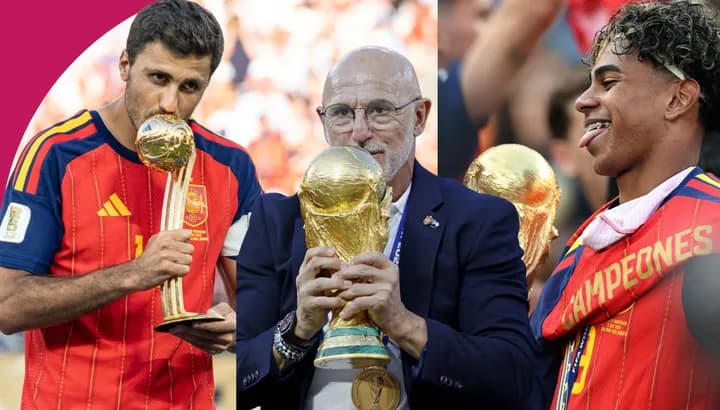
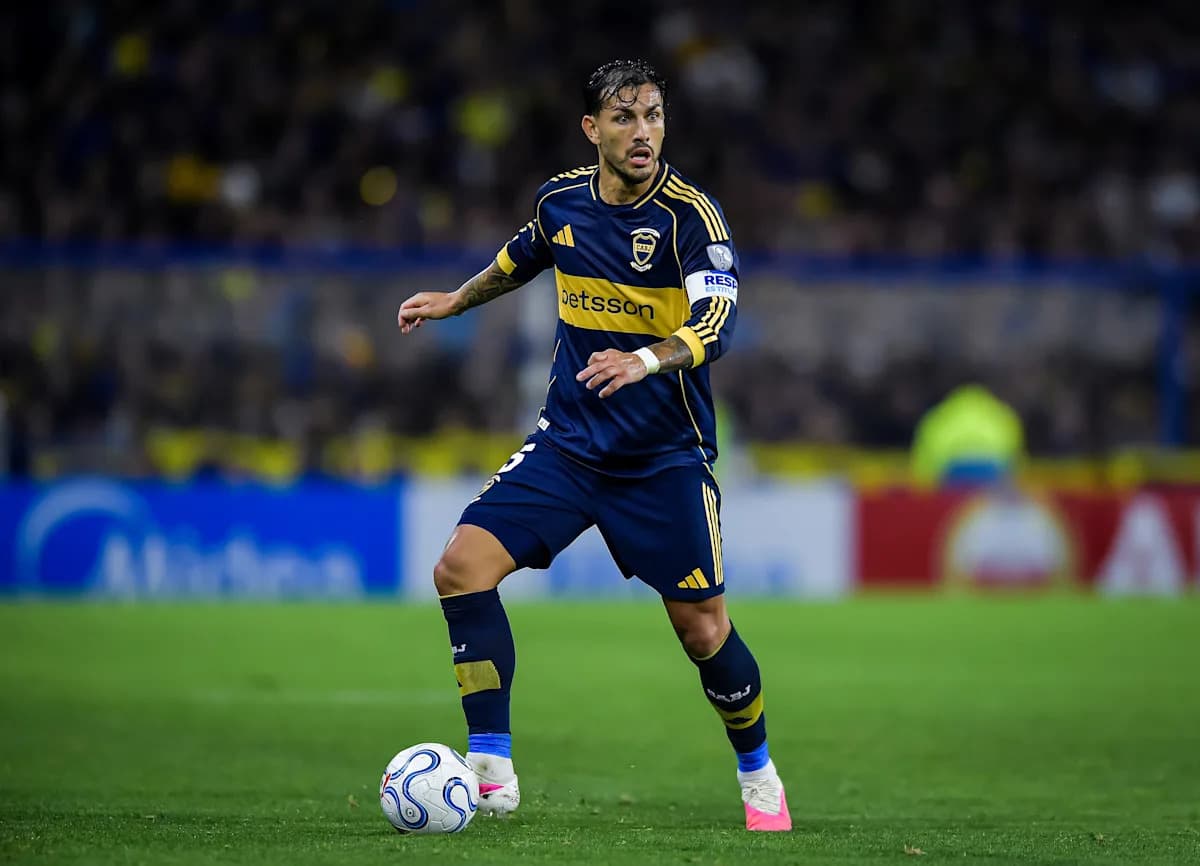
No beauty balanced the roughness. Spain dominated possession, and Argentina eventually stopped trying to play attractively. Fernandez earned a red card after losing his temper. Leandro Paredes came on to calm the midfield but acted aggressively, almost earning dismissal. Post-match chaos erupted when Nahuel Molina charged onto the pitch and clashed with Rodri, overshadowing Spain’s midfield maestro who claimed player of the tournament honors—perhaps the award Messi deserved.
Near the end, Messi briefly showed signs of fighting back, threading a neat pass to win a corner and firing a powerful shot blocked courageously by Spain’s Mikel Merino. Yet even he resorted to petty gamesmanship, trying to get Marc Cucurella penalized for talking behind his hand. It was all Argentina had left.
Spain’s celebration felt like a quiet ending to a forgettable final. No one will look back fondly on Messi playing in a team scrambling to steal victory through rough tactics. It doesn’t tarnish his legacy or career. Nothing could. But it’s sad that such a legendary era concluded amid chaos and desperation, mired in the very darkness that once defined Argentine football.