Arsenal's Right-Back Dilemma: Managing Injuries and Expectations
Mikel Arteta is staring at a familiar problem in an unforgiving position. His right-back is hurt again.
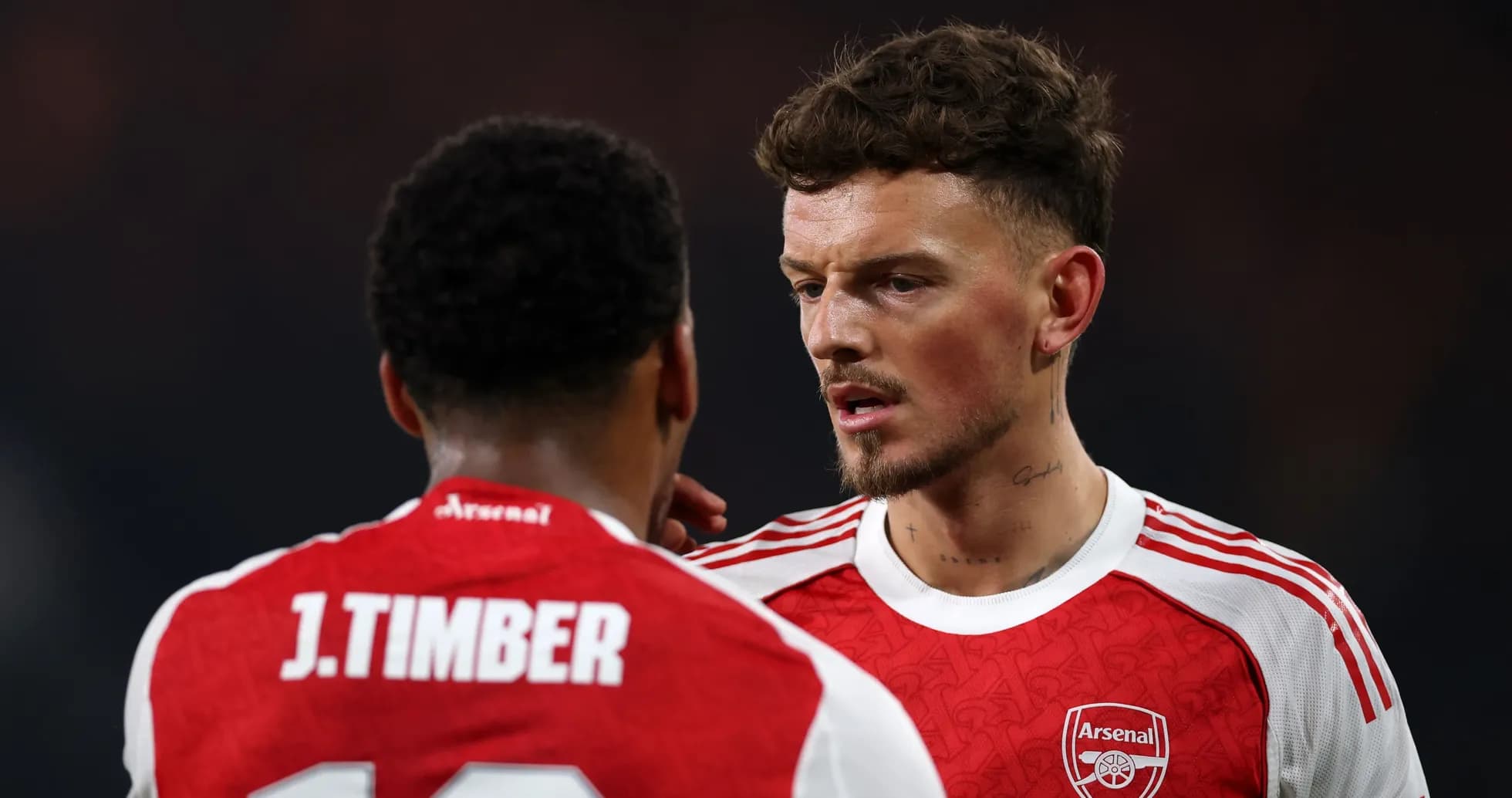
Ben White, who has already dragged his body through one recovery this year, came off at half-time in the win over Sunderland with a groin issue, handing Arsenal another unwanted fitness puzzle just as the season’s rhythm begins to bite.
Right side under strain
White had opened the campaign in sharp form, finally clear of the knee injury that wrecked his World Cup hopes in May. He even shrugged off a knock against Napoli in the Champions League. But the substitution at the Stadium of Light was different. This time he didn’t come back out.
On came Jurrien Timber on Wearside, making his first appearance of the season after his own groin problem. One defender returning, another limping off. The equation is simple: when one goes down, the other carries the load. And on the right of Arsenal’s defence, that load is brutal.
The modern full-back is no longer a quiet, stay-at-home figure. Under Arteta, it is a role built on constant motion – overlapping, underlapping, tucking inside, sprinting back 40 yards when possession is lost. It is relentless.
Injury performance analyst Stephen Smith of Kitman Labs underlined just how punishing that job has become.
“Full-back is certainly one of the most demanding positions on the field and the data backs it up,” he told Metro. “The honest picture is demand for a full-back isn’t about total mileage, it is about the type of running – repeated, explosive sprints up and down the same channel.”
That is exactly how Arsenal use their wide defenders. And it is exactly why the right flank now needs careful handling.
Depth on one side, dilemma on the other
On paper, Arsenal are not short of options out wide. Riccardo Calafiori, Piero Hincapie and Myles Lewis-Skelly give Arteta plenty of coverage on the left. There, he can rotate, protect, and tailor minutes.
The right is different. It is White or Timber, and at the moment both are coming off the back of muscle issues.
White was left out entirely for the midweek Carabao Cup victory over Ipswich, forcing Martin Zubimendi to drop in at right-back. Timber, fresh from his comeback on Wearside, was also rested. Arteta made it clear the Dutchman had suffered no new problems after last season’s ACL nightmare, but the message was obvious: this is about control, not risk.
Smith’s advice on recovery timelines only reinforces that approach.
“Even a mild groin or adductor strain typically needs a week or two of managed loading before a player is even back to full training intensity,” he said.
Push too hard, too soon, and a “niggle” becomes a month out. Or more.
Brighton, a break, and a balancing act
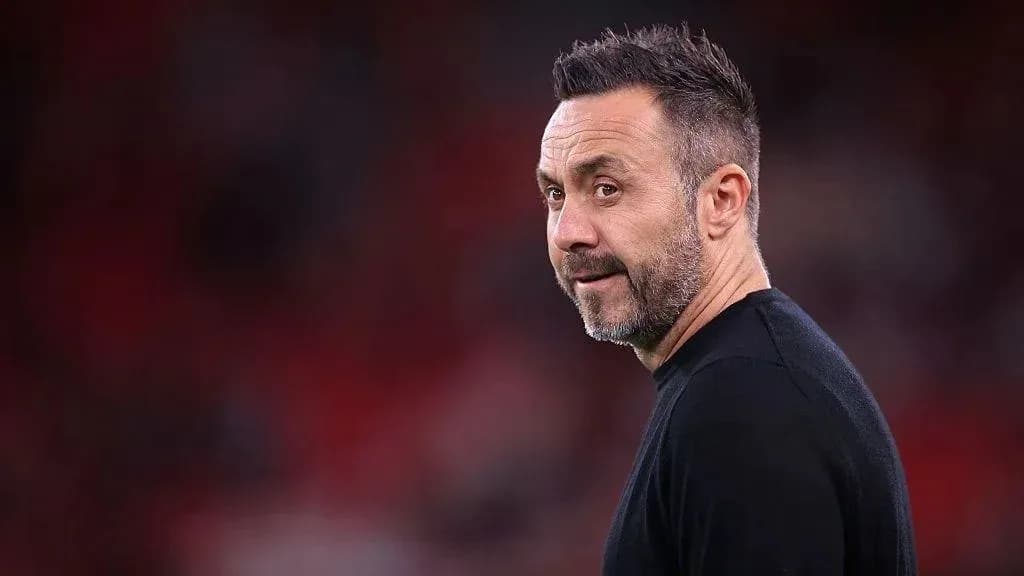
Next up is Brighton on Saturday afternoon, a meeting with White’s former club and a fixture that always asks questions of defensive structure. White could yet feature. Arteta will know the temptation of rolling the dice in a title race that offers little margin for error.
But the calendar offers him a lifeline. A three-week international break follows, an almost tailor-made window for full recovery and conditioning work away from the match-day spotlight.
Those weeks on the training ground can be used to build White and Timber back up to full speed, not just back onto the pitch. Arsenal’s title ambitions demand peak physical output from their full-backs; half-fit won’t cut it when the season restarts and the schedule tightens again.
Right now, this is less about who starts against Brighton and more about who is still standing in March and April. Arteta has two elite right-backs. The question is whether smart load management now can keep both of them on the grass when the defining games arrive.