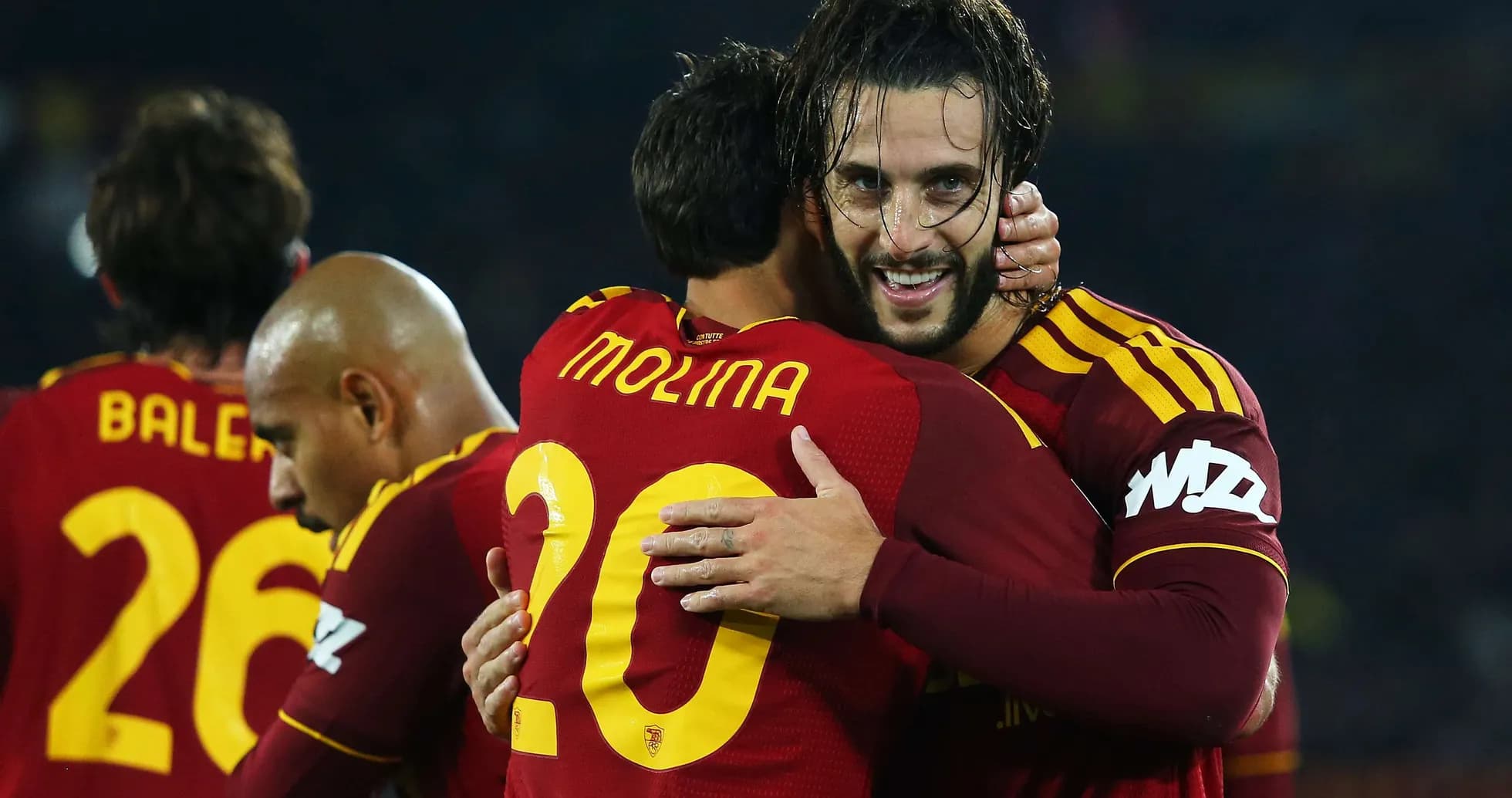
AS Roma vs Sassuolo: A Tactical Analysis of the 3–0 Victory
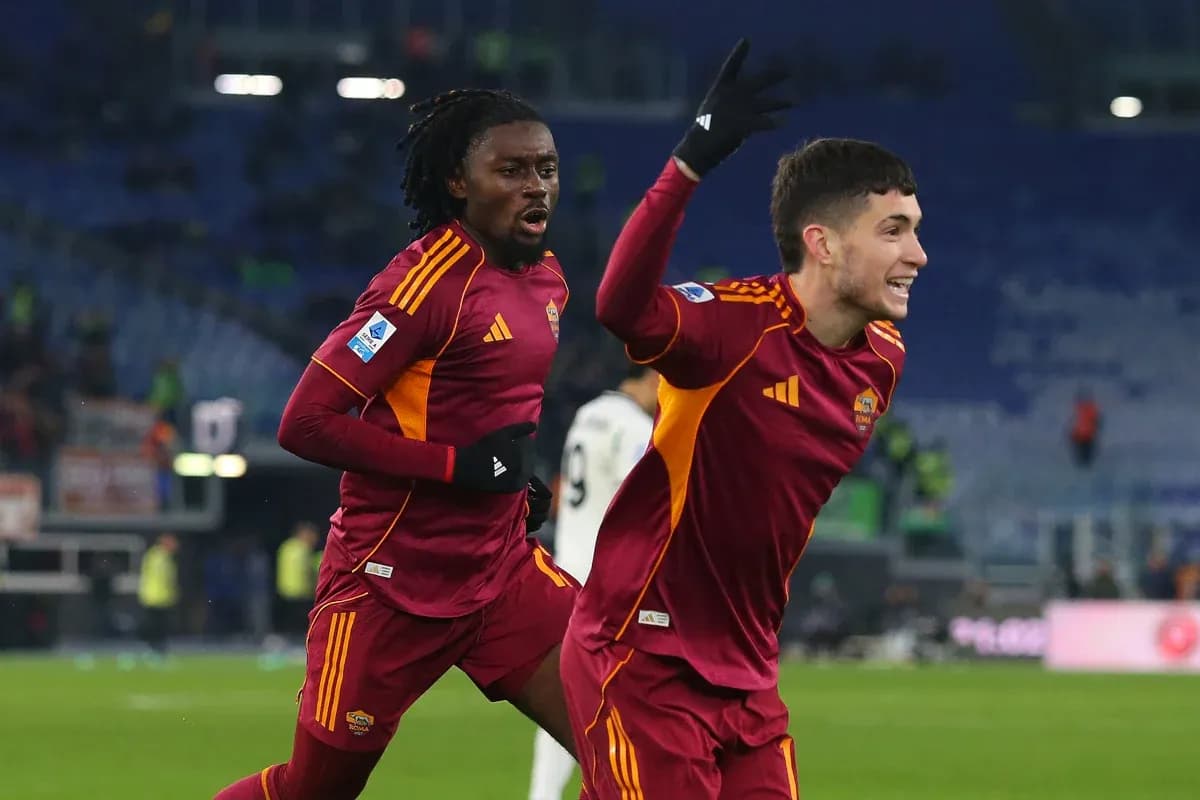
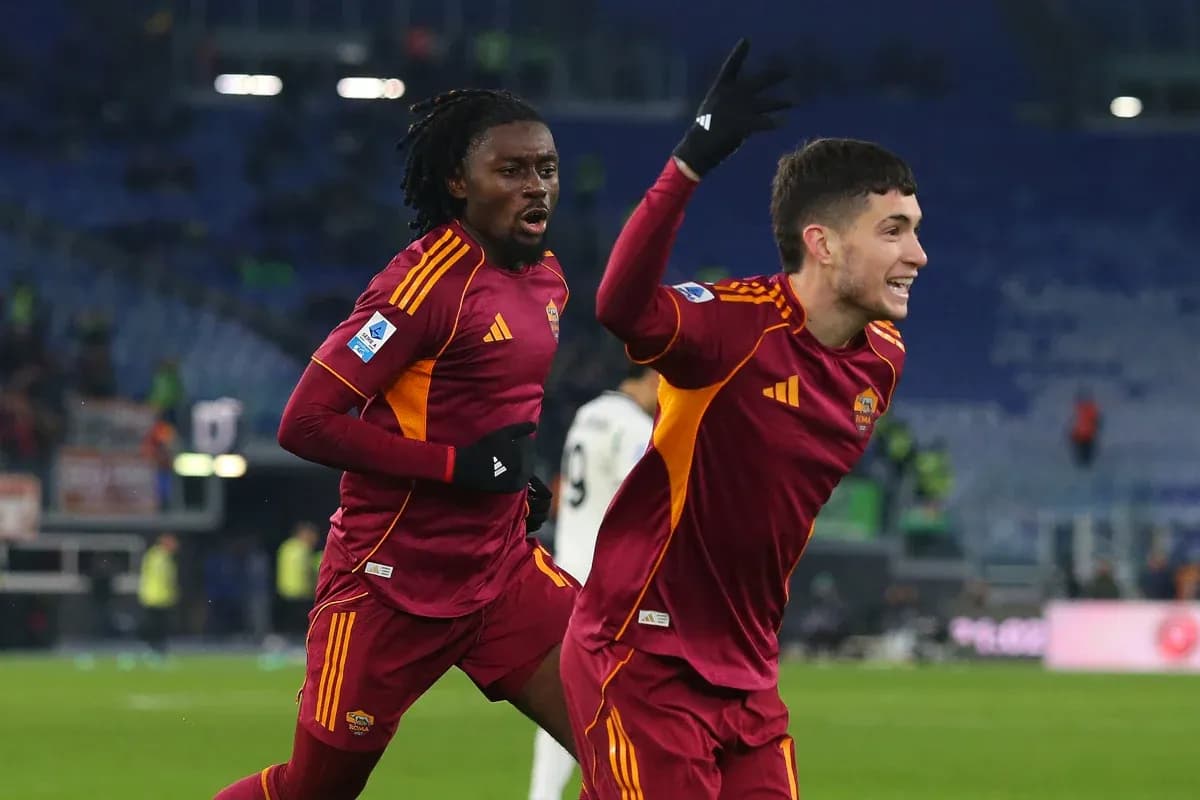
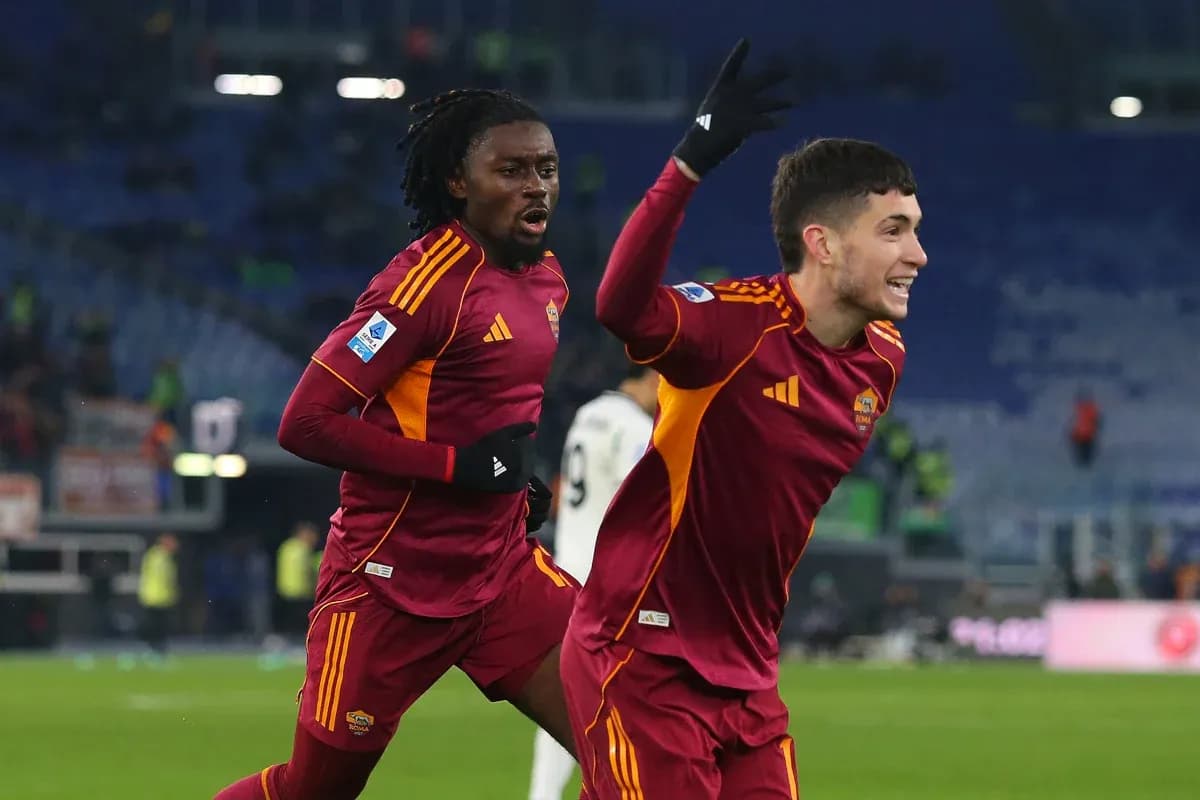
Under the lights of the Stadio Olimpico, this was billed as a meeting of opposites: AS Roma, third in Serie A and charging towards the Champions League places, against a Sassuolo side marooned in seventeenth, dragging a five‑game losing streak behind them. By full time, the table and the narrative had both been reinforced. Roma’s 3–0 victory felt less like a one‑off and more like a distilled version of their entire campaign so far.
I. The Big Picture – Roma’s structure, Sassuolo’s slide
Heading into this game, Roma’s seasonal profile was already imposing. Overall they had taken 27 points from 11 matches, unbeaten with 8 wins and 3 draws. Their goal difference of 21 was the product of 31 goals scored and only 10 conceded, an attacking and defensive balance that has become their trademark. At home, the numbers were even more stark: 6 matches, 5 wins, 1 draw, 17 goals for and 5 against. An average of 2.8 goals scored both at home and overall, with only 0.8 conceded at the Olimpico, underpinned a side that expects to dominate.
Sassuolo arrived in Rome with a very different story. Seventeenth in the table with 8 points from 11 games, they had lost 7 times and carried a negative goal difference of -13, scoring 16 and conceding 29 overall. On their travels they had been particularly fragile: 6 away matches, 0 wins, 1 draw, 5 defeats, 6 goals scored and 15 conceded, an away average of just 1.0 goal for and 2.5 against. A team without a single clean sheet this season walked into the home of one of the league’s most prolific attacks.
Gian Piero Gasperini’s Roma lined up in a familiar 3‑4‑2‑1, a shape that has become their dominant structure this season, used in 8 of their 11 league matches. D. Vásquez anchored the back three of L. Balerdi, E. Ndicka and Hermoso, with width and verticality provided by N. Molina and Wesley as wing‑backs. In the middle, B. Cristante and M. Koné formed the double pivot, while M. Soulé and Rodrigo Mora floated between the lines behind lone striker D. Malen.
Alberto Aquilani’s Sassuolo, usually a 4‑3‑3 or 4‑2‑3‑1 side, shifted into a 3‑5‑2 in an attempt to mirror Roma’s back three and crowd central zones. A. Murić started behind a defensive trio of S. Walukiewicz, J. Idzes and D. Ćaleta‑Car. The wing corridors belonged to S. Cinquegrano and J. Doig, with a central trio of K. Thorstvedt, N. Matić and I. Sulemana tasked with resisting Roma’s rotations. Up front, S. Esposito and A. Laurienté were left to chase channels and counters.
II. Tactical Voids – Absences and discipline
If Roma arrived close to full strength, Sassuolo came patched up. I. Koné, E. Pieragnolo, Fali Candé, D. Boloca and Y. Paz were all ruled out as missing fixtures, stripping Aquilani of depth in midfield and at wing‑back. The absence of natural alternatives on the left, in particular, placed more weight on J. Doig’s shoulders both defensively and in transition.
Roma’s disciplinary profile this season has been controlled aggression: yellow cards spread across the 31–45, 46–60, 61–75 and 76–90 minute windows, with a late‑game cluster where 27.78% of their yellows arrive between 61–75 minutes and 22.22% between 76–90. Their only red card in Serie A before this fixture had come in the 46–60 window. Sassuolo, by contrast, had already seen a red in the 31–45 minute band and tended to accumulate yellows after the break, with 26.67% of their cautions coming between 46–60 minutes and another 20.00% in each of the 61–75 and 76–90 minute ranges. It painted a picture of a side that tires and fouls more as games slip away.
III. Key Matchups – Hunter vs Shield, Engine Room battles
The headline duel was always going to be D. Malen against a Sassuolo defence that had conceded 29 times overall. Malen came into the night as one of Serie A’s most dangerous forwards: 8 goals and 2 assists in 10 appearances, 36 shots with 18 on target, and a league‑leading presence in both scoring and assisting charts. He is not just a finisher; 16 key passes and an 84% pass accuracy speak to his ability to combine and create. He had also blocked 4 shots this season, underlining his work rate out of possession.
Behind him, Roma’s creative axis of M. Soulé, Rodrigo Mora and Wesley shaped the game. Soulé, with 3 goals and 3 assists in 11 appearances and 21 key passes, is Gasperini’s high‑volume dribbler and connector, winning 47 of 92 duels and attempting 44 dribbles with 28 successes. Rodrigo Mora has added a sharp vertical threat: 4 goals in 9 appearances, 15 shots with 7 on target, and 9 key passes from deeper attacking positions. Wesley, with 3 assists and 23 key passes, offers balance: a wing‑back who can both progress the ball and defend, winning 38 of 73 duels and blocking 4 shots.
Opposite them, Sassuolo’s “shield” was fragile. As a unit they concede an average of 2.6 goals per game overall, and 2.5 on their travels. K. Thorstvedt, one of their more complete midfielders, has been asked to do a bit of everything: 1 goal, 7 key passes, 7 tackles, 2 interceptions and 28 duels won from 50 contested. But even he carries a disciplinary edge, with 1 red card already this season. N. Matić and I. Sulemana were expected to screen the back three, yet the collective record – 0 clean sheets overall, 15 goals conceded away – suggested that the protection in front of Murić would be porous.
In the engine room, B. Cristante and M. Koné were always likely to dictate terms. Cristante’s positional intelligence allowed Roma to recycle possession and pin Sassuolo’s midfield in their own half, while Koné’s energy and ball‑carrying helped Roma break the first line of pressure and feed Soulé and Mora between the lines. With Sassuolo missing D. Boloca, one of their more robust midfield options, the away side’s central block lacked the depth to rotate or change the rhythm once Roma seized control.
IV. Statistical Prognosis – Why 3–0 felt inevitable
Following this result, Roma’s season‑long patterns only look more convincing. An unbeaten side with 8 wins from 11, averaging 2.8 goals scored overall and conceding less than one per game, just dismantled an opponent that had lost 7 of 11 and conceded 29 times. Even without explicit xG data, the structural indicators are clear: Roma create volume and quality through a high‑functioning front line and wing‑backs, while Sassuolo allow too many shots from good zones and rarely control territory.
Roma’s repeated use of the 3‑4‑2‑1 has bred automatisms: Malen’s movements off the shoulder, Soulé drifting into half‑spaces, Rodrigo Mora attacking the inside channels, and Wesley plus N. Molina stretching the pitch horizontally. Against a Sassuolo back three not accustomed to this shape – they had used 3‑5‑2 only once before this game – those patterns were always likely to produce chances.
Defensively, Roma’s record of 6 clean sheets overall, split evenly between home and away, met a Sassuolo attack that fails to score in away matches with some regularity, having already drawn a blank twice on their travels. When a team with Roma’s defensive numbers faces a side that has never kept a clean sheet and concedes heavily, the balance of probabilities leans heavily towards a multi‑goal home win.
The 3–0 scoreline at the Olimpico, with Roma two goals up by half time and never truly threatened, felt less like a surprise and more like the logical consequence of two trajectories moving in opposite directions: one towards the top of Serie A, the other nervously glancing over its shoulder at the relegation zone.