Atletico Madrid Triumphs Over Real Madrid: A Tactical Analysis
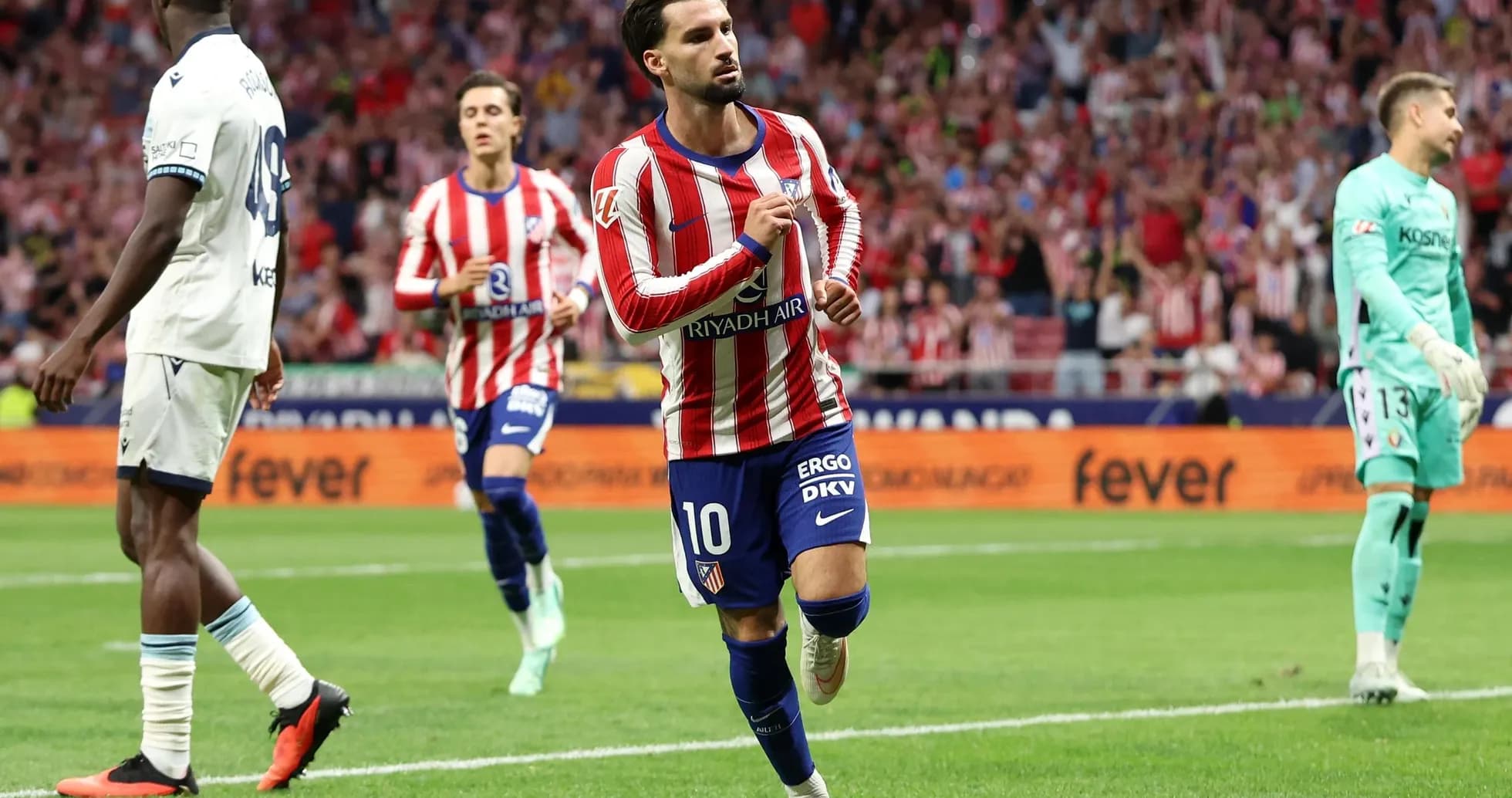
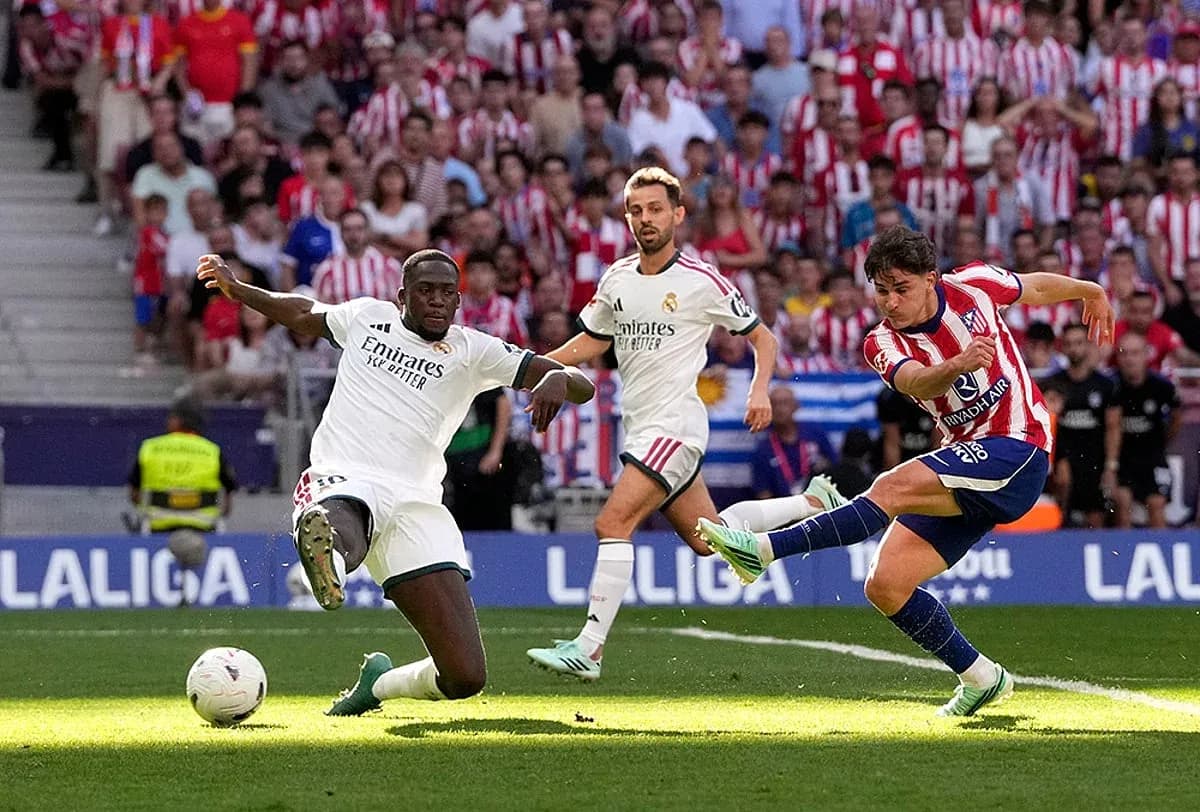
Under the late afternoon light at the Riyadh Air Metropolitano, this derby was less a spectacle of chaos and more a study in control. Atletico Madrid’s 2–1 win over Real Madrid in La Liga’s Regular Season - 7 felt like a tactical manifesto from Diego Simeone: structure over stardust, cohesion over individual brilliance.
Heading into this game, the table already hinted at a knife-edge: Atletico in 2nd on 16 points, Real in 4th on 15. Atletico’s overall goal difference stood at +9 (16 scored, 7 conceded), Real’s at +10 (18 scored, 8 conceded). These were not two sides scraping for relevance; they were early pace-setters, both with five wins from seven but built in very different images.
I. The Big Picture – Systems and Seasonal DNA
Atletico arrived with a clear identity. Overall this campaign they had scored 16 goals in 7 matches, an average of 2.3 per game, while conceding only 1.0 on average. At home they had been even more ruthless: 10 goals in 4 matches at 2.5 per game, with just 3 conceded at 0.8. Simeone leaned into that comfort, naming a 4-4-2 that was both orthodox and quietly modern.
Jan Oblak anchored the side behind a back four of Marc Pubill, C. Romero, D. Hancko and Álex Grimaldo. In front, a midfield band of four – G. Simeone, Marcos Llorente, J. Cardoso and Álex Baena – looked less like a flat line and more like a sliding puzzle, capable of tucking in or breaking wide. Up front, Lee Kang-In floated around the channels while J. David offered depth and penalty-box menace.
Real Madrid, under José Mourinho, were unapologetically front-footed in their own way. Overall they had scored 18 goals in 7 matches (2.6 per game) but with a split personality: at home 12 goals in 3 matches at a ferocious 4.0 per game, away only 6 in 4 at 1.5. Defensively they conceded 0.7 at home but 1.5 away, a vulnerability Simeone clearly targeted.
Mourinho’s 4-2-3-1 was star-studded: T. Courtois in goal; a back four of D. Dumfries, I. Konaté, D. Huijsen and Marc Cucurella; a double pivot of F. Valverde and A. Tchouaméni; an advanced trio of A. Güler, J. Bellingham and Vinícius Júnior behind Kylian Mbappé. It was a lineup built to dominate territory and transition, but also one that had to live with the scars of the season so far: one penalty already missed by Mbappé and a red card on Huijsen’s record, a reminder of the fine line Real’s aggression treads.
II. Tactical Voids – Absences and Discipline
The absentees shaped the tone before a ball was kicked. Atletico were without P. Barrios and A. Sorloth, both sidelined by muscle injuries. Barrios’ energy and Sorloth’s target-man profile would have offered different reference points in midfield and attack. Instead, Simeone doubled down on mobility and technical security, trusting Baena and Lee Kang-In between the lines and J. David’s sharpness in the box.
Real’s missing pieces were even more structural. Eder Militao (hamstring), F. Mendy (hip) and Rodrygo (knee) all missed out. Without Militao and Mendy, Mourinho had to lean on the relative inexperience of Huijsen and the more adventurous Cucurella, subtly weakening Real’s ability to defend the box and wide spaces under sustained pressure. Rodrygo’s absence narrowed the attacking rotation, putting even more creative and finishing burden on Mbappé, Vinícius and Bellingham.
Disciplinary trends added another layer. Atletico’s season-long yellow-card profile is spiky early and around half-time: 15.38% of their yellows come in the opening 15 minutes and 30.77% between 31–45. They also have a 100.00% red-card share in the 76–90 minute window. Real’s yellows are clustered between 46–75 minutes (50.00% combined from 46–60 and 61–75), with a red card already shown between 46–60. In a derby where emotional control is currency, both sides carried the risk of self-sabotage.
III. Key Matchups – Hunter vs Shield, Engine Room vs Enforcer
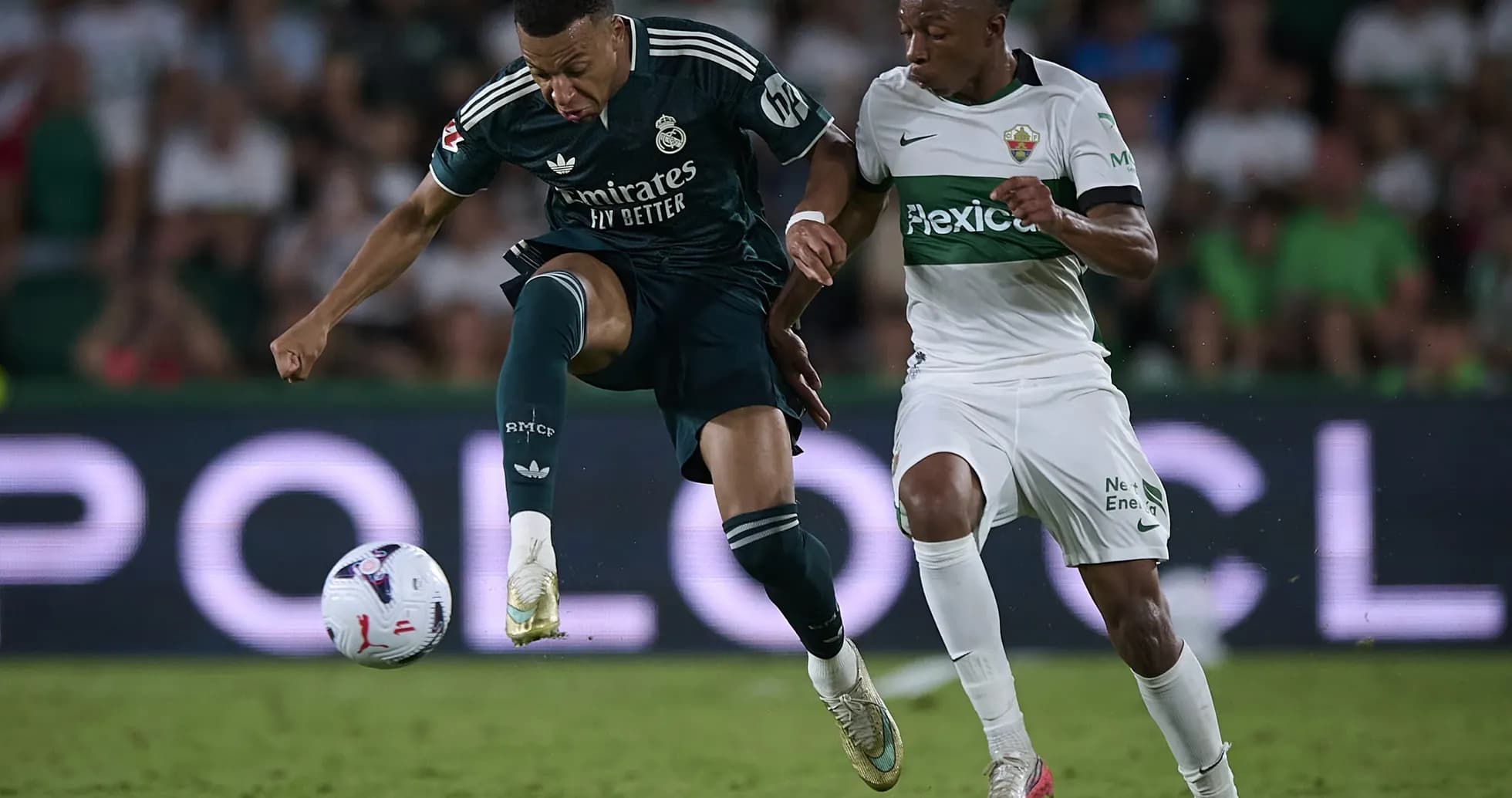
The headline duel was always going to be Kylian Mbappé against Atletico’s defensive structure. With 7 goals and 2 assists in 7 league appearances, Mbappé arrived as La Liga’s most devastating finisher: 32 shots, 22 on target, 39 dribbles attempted with 23 successful. Yet on their travels Real had scored only 6 times in 4 matches, and Atletico’s home defensive record – 3 conceded in 4 – suggested Simeone’s back four were well-drilled in absorbing elite talent.
Romero and Hancko formed the core of that shield, with Pubill and Grimaldo tasked with a dual role: compressing space against Vinícius and Güler while still offering width to stretch Real’s press. Oblak’s presence behind them, coupled with Atletico’s 3 clean sheets overall this campaign, gave the hosts a psychological edge whenever Real tried to force their way through central lanes.
In the engine room, the contrast was just as compelling. For Real, Bellingham is the conductor and disruptor rolled into one: 3 goals, 2 assists, 17 key passes and 12 tackles overall this season. He thrives on arriving late into the box and dominating duels – 83 contested, 51 won. Opposite him, Atletico’s answer was collective rather than singular. J. Cardoso’s positional discipline, Llorente’s vertical running and Baena’s dual-threat profile (4 goals, 1 assist, 14 key passes, plus 9 interceptions) formed a triangle designed to both suffocate and spring.
Baena, in particular, was the hinge. His ability to break lines with passing and then immediately counter-press made Real’s double pivot uncomfortable. Tchouaméni and Valverde are superb athletes, but against a side that can shift quickly from a 4-4-2 without the ball to a 2-4-4 in possession, their zones were constantly stressed.
On the flanks, Vinícius – with 3 assists and 23 fouls drawn overall – targeted Pubill and Romero’s channel, looking to provoke one-on-ones and cheap free-kicks. Yet that aggression came with a cost: his 2 yellow cards were a reminder that Atletico’s provocation and the derby’s intensity could drag him into emotional duels as much as tactical ones.
IV. Statistical Prognosis – Why Atletico’s Plan Prevailed
Even without explicit xG values, the season data sketches the underlying probabilities. Atletico at home, scoring 2.5 and conceding 0.8 on average, are built to edge tight, high-stakes matches. Real away, scoring 1.5 and conceding 1.5, are far less dominant than at the Bernabéu and more exposed to games where fine margins and set structures decide outcomes.
Atletico’s penalty record – 2 taken, 2 scored, 100.00% conversion – underlined their clinical edge in decisive moments. Real’s split (2 penalties overall, 1 scored, 1 missed, 50.00%) hinted at a vulnerability in high-pressure situations, embodied by Mbappé’s single miss. In a derby defined by tension, that difference in ruthlessness mattered.
The final 2–1 scoreline aligned neatly with the statistical currents. Atletico’s home attacking average suggested they would find multiple goals; Real’s away defensive average implied they would concede at least once, likely twice, against a top opponent. Atletico’s structured 4-4-2, with Baena and G. Simeone linking to Lee Kang-In and J. David, proved more cohesive than Real’s star-driven 4-2-3-1, particularly once the visitors were forced to chase.
Following this result, the narrative is clear: Simeone’s Atletico are not just grinding; they are evolving into a side that marries defensive austerity with attacking efficiency. Mourinho’s Real, for all their firepower, must solve their away fragility and disciplinary balance if they are to turn their superior overall goal difference into supremacy on nights like this.