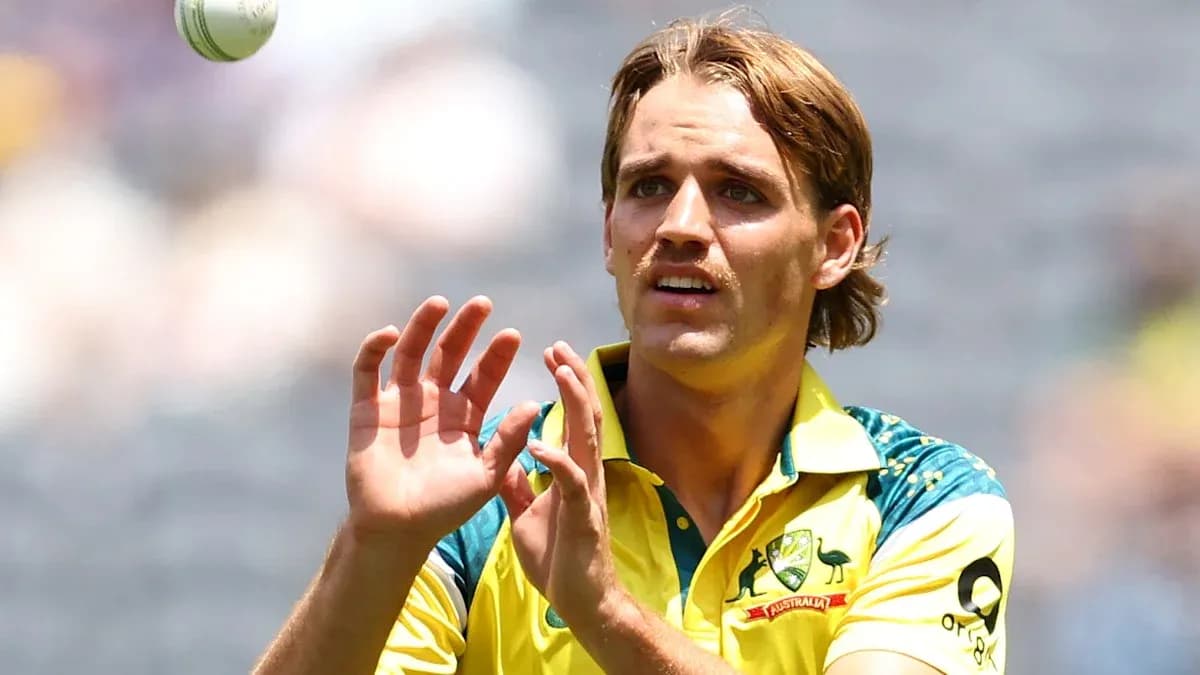
Australia vs England: Adelaide ODI Preview Amidst Stormy Backdrop
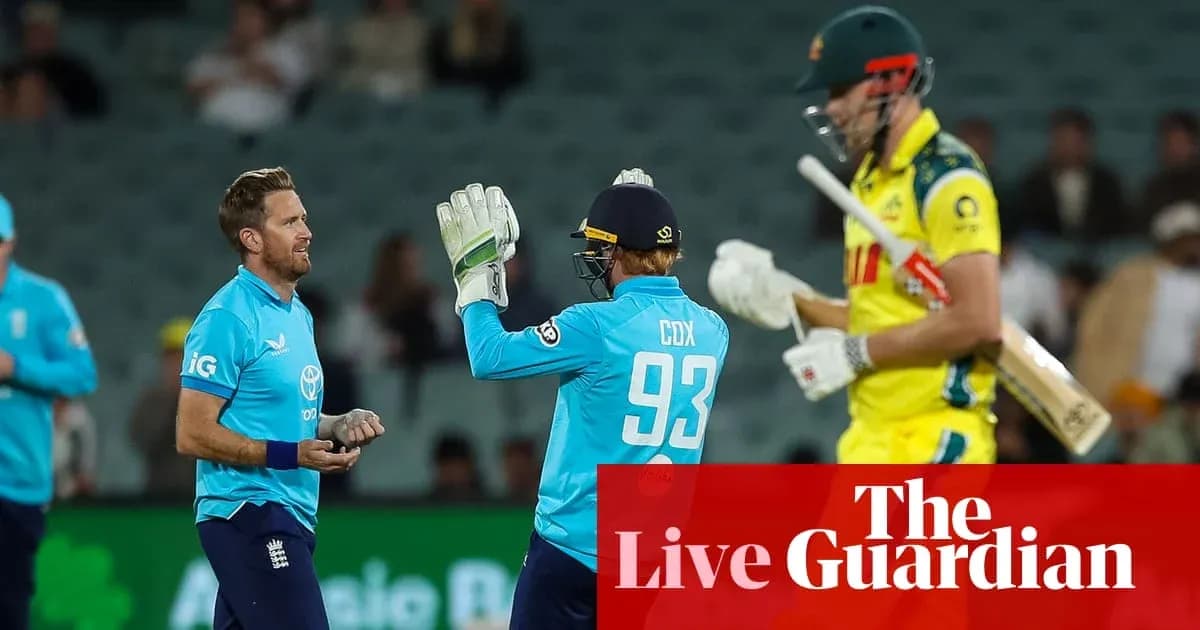
Australia have won the toss at Adelaide Oval and, with barely an hour to first ball, captain Mitch Marsh has made his intentions clear: his side will bowl first and try to squeeze the air out of England’s series hopes.
England trail 1-0. Lose here, and the contest is gone. All the pressure, all the noise, sits squarely on Harry Brook’s team.
Teams locked in, young quick rested
The XI sheets underline where both camps stand.
Australia: Mitch Marsh (c), Travis Head, Cooper Connolly, Josh Inglis, Matthew Renshaw, Cameron Green, Jack Edwards, Xavier Bartlett, Adam Zampa, Spencer Johnson, Riley Meredith.
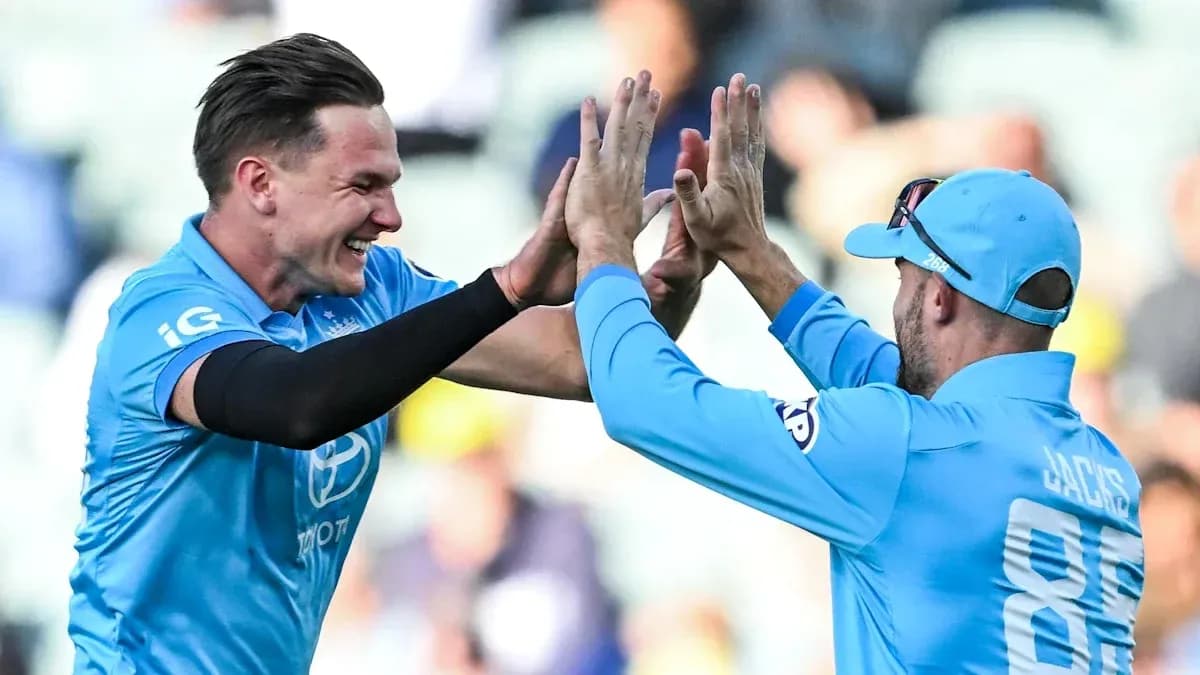
England: Ben Duckett, Tom Banton, Joe Root, Harry Brook (c), Jordan Cox, Sam Curran, Will Jacks, Liam Dawson, Gus Atkinson, Sonny Baker, Jofra Archer.
The headline omission is Mahli Beardman. Forty‑eight hours after one of the great Australian ODI debuts, the 21‑year‑old quick has been pulled out of the firing line, “managed” by Cricket Australia because of a body that has already carried more than its share of stress fractures in the lower back.
Riley Meredith comes in for the remaining two matches, a raw, rapid replacement with Nathan Ellis still out nursing a side strain. It changes the shape of Australia’s attack, but not its intent.
Beardman’s bolt from the blue
Beardman’s spell in Perth still hangs in the air. Six for 24 against England on debut, only the second Australian to claim a five‑wicket haul first up in ODI cricket. Pace, movement, and a calmness that belied the occasion.
He’s been talked about for years as one to watch. Injuries stalled that rise, but on Friday he looked every inch a future Test quick.
Justin Langer, speaking on SEN Radio, didn’t hold back. He called Beardman a “breath of fresh air”, praised him as a terrific young bloke, a likeable figure Australians could “fall in love with”. Langer painted the image that resonated around the country: the surfer who loves fishing, the country kid steaming in “like the wind” against the Poms.
“That’s exactly what Australian cricket needed,” Langer said. On a week like this, he wasn’t exaggerating.
A dark week and calls for a truce
Because the cricket has had to fight for space. Off the field, the game has been dragged back into the shadows of 2018.
Usman Khawaja’s explosive claims in his book that the entire team knew about the Cape Town ball‑tampering plan have lit a fuse between generations of Australian players. David Warner has backed Khawaja’s account. Current captain Pat Cummins has pushed back hard.
Langer, who took over as coach in the immediate aftermath of that tour, has watched the old wounds reopen. On SEN he described it as a “dark week” and urged the warring members of what he called the Test team “brotherhood” to sit down and sort it out.
“Hopefully, we can draw a line in the sand and we can start moving forward,” he said. It sounded less like a media line and more like a plea.
Warner questions 2018 process
Warner, never far from the eye of this storm, has again taken to Instagram, doubling down on his frustration with how the original investigation was handled.
“Just to clarify – ‘as far I am aware’ was the POINT. I was never told the bowlers had been interviewed or provided statements,” he wrote on Sunday.
“That information would have been pretty useful when I was forced to make decisions back in 2018. Why weren’t we given all the evidence by CA?”
The questions hang there, pointed and unresolved, as Australia’s white‑ball side tries to shut out the noise and finish a job against England.
Cummins opens the dressing-room door
On Friday, Cummins fronted the media for an extraordinary 70‑minute press conference that stripped away some of the usual polish around elite cricket.
He spoke about “silos” in dressing rooms. He admitted the sanctions handed to Warner, Steve Smith and Cameron Bancroft eight years ago were heavy‑handed. Nothing seemed off limits.
Then came the most arresting passage: the “dark arts” of reverse swing. Cummins detailed the craft and the grey areas, and even recounted an incident in which an unnamed player brought a bottle cap onto the field in a Sheffield Shield match to scratch the ball.
For a captain to say that out loud was striking. It underlined how much the sport is still grappling with where competitive edge ends and cheating begins.
Gillespie fires back at Khawaja
The week’s flashpoints haven’t stopped there. Jason Gillespie has hit back at a “ridiculous” section of Khawaja’s book, Sabr, in which the retired quick is accused of labelling Khawaja’s retirement press conference a “temper tantrum”.
Gillespie, who took 259 Test wickets in a decade at the top, has responded with his own fire, and even called Khawaja a “hypocrite”. Another former player drawn into the orbit of a saga that simply refuses to fade.
Cricket tries to cut through the noise
So Adelaide Oval becomes more than a venue this afternoon. It’s a stage on which Australian cricket is trying to remind everyone what it looks like when the conversation is about bat and ball, not bottle caps and boardrooms.
Marsh’s decision to bowl is aggressive. England, with Ben Duckett and Tom Banton at the top and the experience of Joe Root at No. 3, must find a way to ride out the early storm and keep the series alive. Behind them, Jofra Archer’s presence offers threat and intrigue of its own.
Australia, buoyed by Beardman’s breakout even in his absence, lean on Spencer Johnson’s left‑arm angle, Meredith’s hostility, and Adam Zampa’s guile. Travis Head, Cameron Green and the rest of the batting order know a chase under lights could seal a statement series win.
First ball is at 2.30pm AEDT. After a week when old scars have been reopened and reputations challenged, the game has one simple question to answer: can the cricket itself finally drown out the chaos?