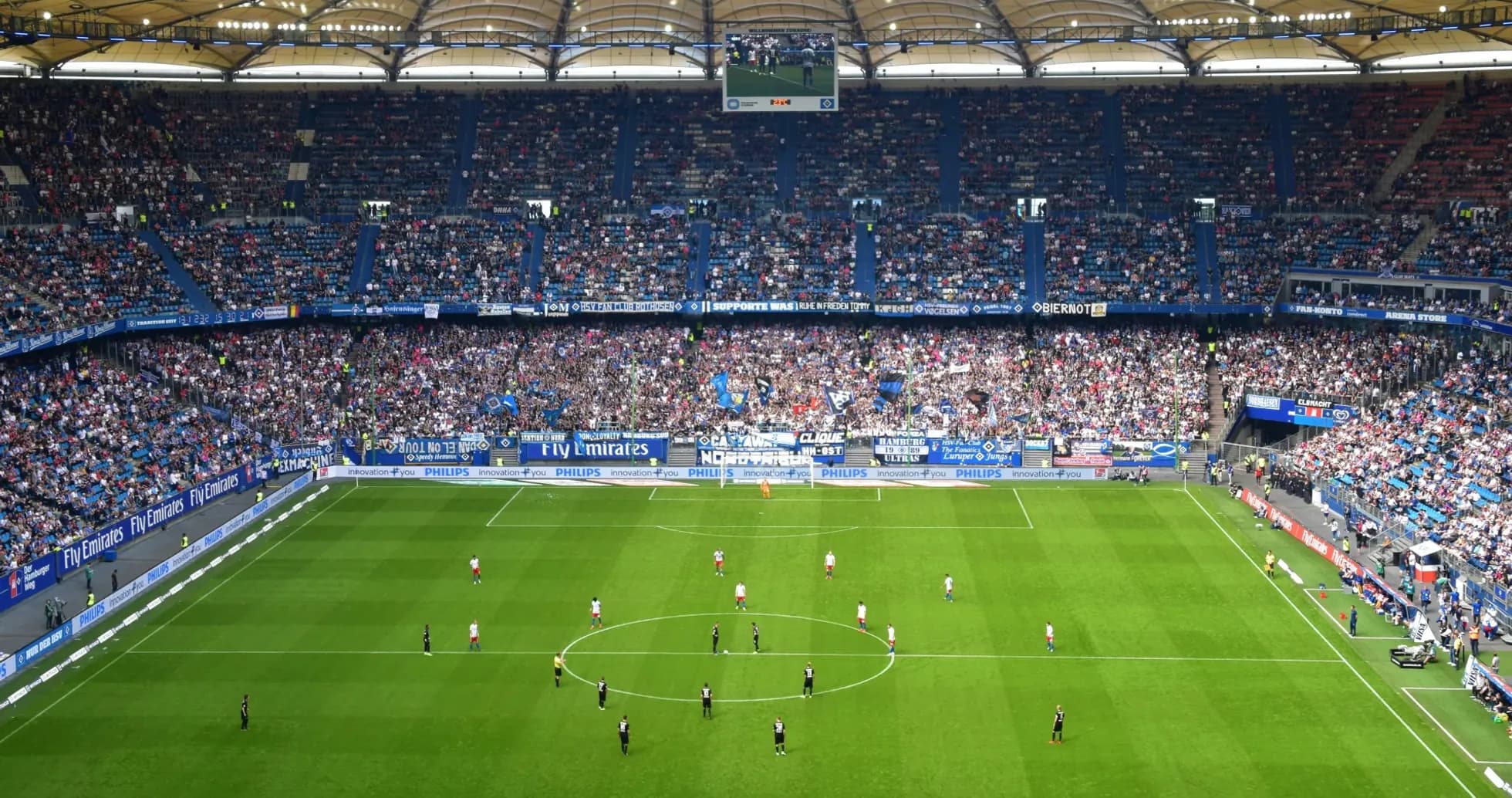
Bayern München Defeats Real Madrid 2–1 in UEFA Champions League
At the Bernabéu in this UEFA Champions League quarter-final, Bayern München edged Real Madrid 2–1 in a match defined by Bayern’s superior structural control and ruthless use of transitions. Bayern led 1–0 at half-time and extended it to 2–0 early in the second half before Real Madrid’s late surge halved the deficit. Despite Real’s 20 shots and 2.2 xG, Bayern’s slightly higher 2.92 xG, stronger passing efficiency (89% vs 85%), and Neuer’s 9 saves underpinned a game plan that accepted pressure but managed it. Real’s 4-4-2 struggled to protect central zones against Bayern’s 4-2-3-1, especially around Joshua Kimmich and Aleksandar Pavlović.
Scoring Sequence & Disciplinary Log
The card and goal sequence shaped the tactical tone. The first disciplinary action came on 37', when Aurélien Tchouaméni received a yellow card for a foul, an early warning sign of Real Madrid’s difficulty in controlling Bayern’s midfield rotations.
Bayern struck first at 41'. Luis Díaz, starting from the left in the line of three behind Harry Kane, finished a move assisted by Serge Gnabry. The goal reflected Bayern’s capacity to attack Real’s full-back zones, with Díaz exploiting the channel outside Antonio Rüdiger and Dean Huijsen. Bayern carried that 1–0 lead into the break.
Immediately after half-time, at 46', Bayern doubled their advantage. Harry Kane converted from open play, assisted by Michael Olise. The pattern again highlighted Bayern’s 4-2-3-1 superiority between the lines, with Olise finding space to supply Kane as Real’s double pivot was stretched.
Real Madrid’s response began with structural changes via substitutions. At 62', Éder Militão (IN) came on for Dean Huijsen (OUT), and Jude Bellingham (IN) replaced Thiago Pitarch (OUT), signalling a shift towards greater aggression and verticality from midfield. At 69', Bayern adjusted: Alphonso Davies (IN) came on for Konrad Laimer (OUT), and Jamal Musiala (IN) replaced Serge Gnabry (OUT), adding ball-carrying threat and fresh legs in wide and central lanes.
On 70', Jonathan Tah was booked for a foul, the first Bayern yellow. Real then introduced Brahim Díaz (IN) for Arda Güler (OUT) on 71', seeking more one-v-one penetration and interior dribbling.
Real’s breakthrough came on 74'. Kylian Mbappé scored, assisted by Trent Alexander-Arnold, to make it 2–1. The move showcased Real’s right-sided overloads and Alexander-Arnold’s delivery from advanced full-back zones.
Bayern then entered full game-management mode, and the disciplinary pattern reflected it. Luis Díaz was booked for a foul on 77', Manuel Neuer received a yellow for time wasting on 82', and Jamal Musiala was shown a yellow for a foul on 86'. In stoppage time, at 90+3', Leon Goretzka (IN) replaced Aleksandar Pavlović (OUT), and Tom Bischof (IN) came on for Luis Díaz (OUT), both substitutions aimed at closing out the result and refreshing the midfield line.
Tactical Breakdown & Personnel
Real Madrid lined up in a 4-4-2 with Andriy Lunin in goal; a back four of Álvaro Carreras, Dean Huijsen, Antonio Rüdiger, and Trent Alexander-Arnold; a midfield line of Arda Güler, Aurélien Tchouaméni, Thiago Pitarch, and Federico Valverde; and a front two of Kylian Mbappé and Vinicius Júnior. Bayern’s 4-2-3-1 had Manuel Neuer in goal; a back four of Konrad Laimer, Jonathan Tah, Dayot Upamecano, and Josip Stanišić; a double pivot of Joshua Kimmich and Aleksandar Pavlović; Michael Olise, Serge Gnabry, and Luis Díaz behind Harry Kane.
Bayern’s structural edge came from the 4-2-3-1’s ability to create a 3v2 or 4v3 in central midfield. Kimmich and Pavlović operated as a flexible double pivot, with Olise and Gnabry regularly stepping inside. This overloaded Tchouaméni and Pitarch, forcing Real’s wide midfielders to pinch in and leaving space for Bayern’s full-backs and wide players. The first goal, finished by Luis Díaz, emerged from precisely this dynamic: Bayern drew Real’s midfield narrow, then attacked the vacated wide channel.
Real’s 4-4-2 in possession often morphed into a 2-4-4, with Alexander-Arnold pushing high on the right and Carreras slightly more conservative on the left. However, this left large spaces either side of Tchouaméni, especially once he was on a yellow card from 37', limiting his aggression in duels. Bayern exploited those half-spaces, with Kane dropping into pockets to link play and Olise drifting centrally. The second goal at 46' typified this: Kane found separation from the centre-backs as Olise operated between Real’s lines.
Out of possession, Bayern alternated between a mid-block 4-4-2 (with Olise stepping up alongside Kane) and a compact 4-5-1, depending on Real’s build-up height. Their pressing triggers focused on passes into Tchouaméni and Pitarch under pressure, and on wide receptions by Güler or Valverde with their backs to goal. The result was a high number of Real shots (20) but many from suboptimal conditions, reflected in the 2.2 xG rather than a more dominant figure.
Goalkeeper performance was decisive. Lunin made 5 saves, but Bayern’s 2.92 xG and 2 goals indicate they consistently created high-quality chances. Neuer, by contrast, made 9 saves, directly underpinning Bayern’s 1 goal prevented metric. Real’s late push, especially after Bellingham and Brahim Díaz entered, saw them pin Bayern back and generate volume from inside the box (12 shots inside the area), but Neuer’s positioning and reflexes preserved the lead.
The substitutions significantly altered the tactical landscape. Militão’s introduction at 62' allowed Rüdiger to step more aggressively into midfield and defend higher, compressing the pitch. Bellingham’s entry for Pitarch added a third-line runner who could occupy Kimmich and attack the box, forcing Bayern’s double pivot deeper. This, combined with Alexander-Arnold’s advanced role, created the platform for Mbappé’s goal at 74', which came from an aggressive right-side pattern and early service into depth.
Bayern’s response with Davies and Musiala at 69' aimed to restore vertical threat and relieve pressure via ball progression. Davies’ pace on the left constrained Alexander-Arnold’s forward runs, while Musiala’s dribbling offered an outlet under pressure. In the closing stages, Goretzka’s introduction for Pavlović at 90+3' added aerial presence and defensive duelling capacity, while Bischof’s fresh legs for Díaz helped Bayern defend wide spaces and press late.
Defensively, Bayern’s blocked shots (6 vs Real’s 3) underline their compactness in the box. The centre-back pairing of Upamecano and Tah consistently held a narrow line, forcing Real into wide deliveries and shots through traffic, which Neuer could read. Real, by contrast, allowed 13 Bayern shots inside the box, a reflection of their structural vulnerability in transition and the space behind their advancing full-backs.
The Statistical Verdict
The statistical profile confirms Bayern’s win as tactically coherent rather than purely opportunistic. Both sides registered 20 total shots, but Bayern’s 2.92 xG versus Real’s 2.2 xG indicates a higher average chance quality, driven by more frequent and cleaner box entries (13 shots inside the box for Bayern). Bayern also held a slight possession edge at 52% and completed more passes (493 vs 454) with greater accuracy (89% vs 85%), illustrating superior control in circulation phases.
Discipline tilted heavily towards Bayern numerically: 4 yellow cards (Tah 70', Luis Díaz 77', Neuer 82', Musiala 86') against Real’s single booking for Tchouaméni on 37'. However, these were largely the by-product of game management and late defending under pressure, rather than systemic defensive chaos. Real’s 12 fouls matched Bayern’s 12, suggesting parity in physicality, but Bayern absorbed pressure more efficiently, as reflected in their 6 blocked shots and Neuer’s 9 saves.
The goals prevented metric (1 for each side) aligns with the scoreline: both goalkeepers limited further damage, but Bayern’s superior chance creation and more efficient use of their 4-2-3-1 structure ultimately made the difference in a finely balanced quarter-final.