Brazilian Grand Prix 2026: Verstappen's Challenge and Mercedes' Triumph
The Brazilian Grand Prix didn’t just light up the 2026 season. It stripped it bare.
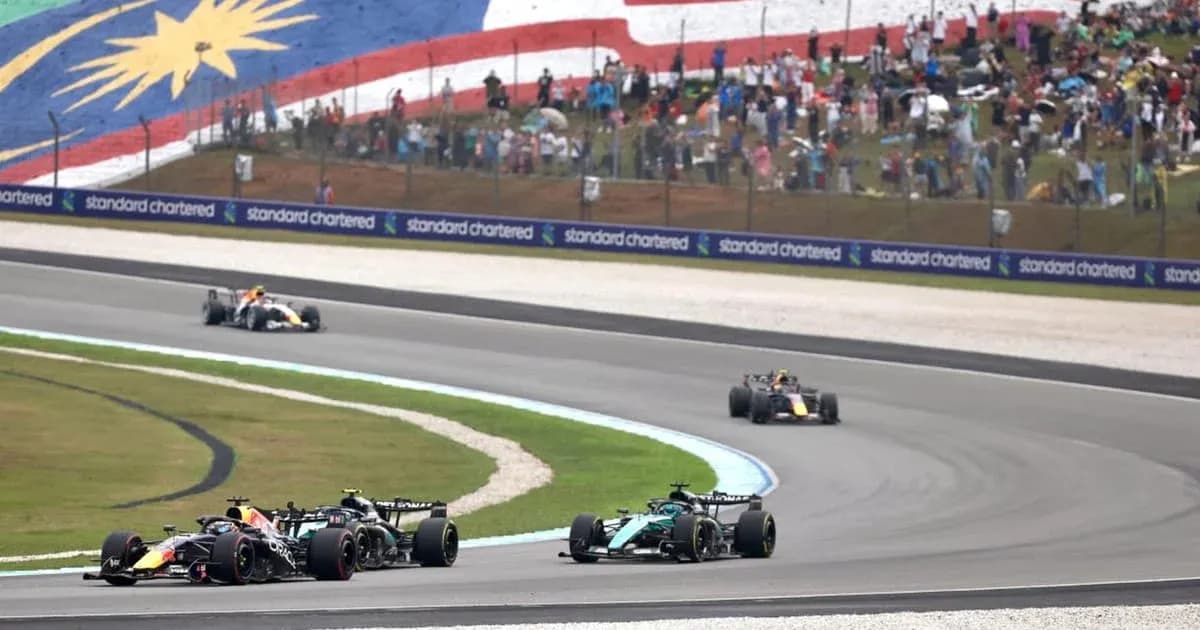
Interlagos delivered a race that swung on weather, nerve and tiny technical details – and left some very big names with awkward questions to answer.
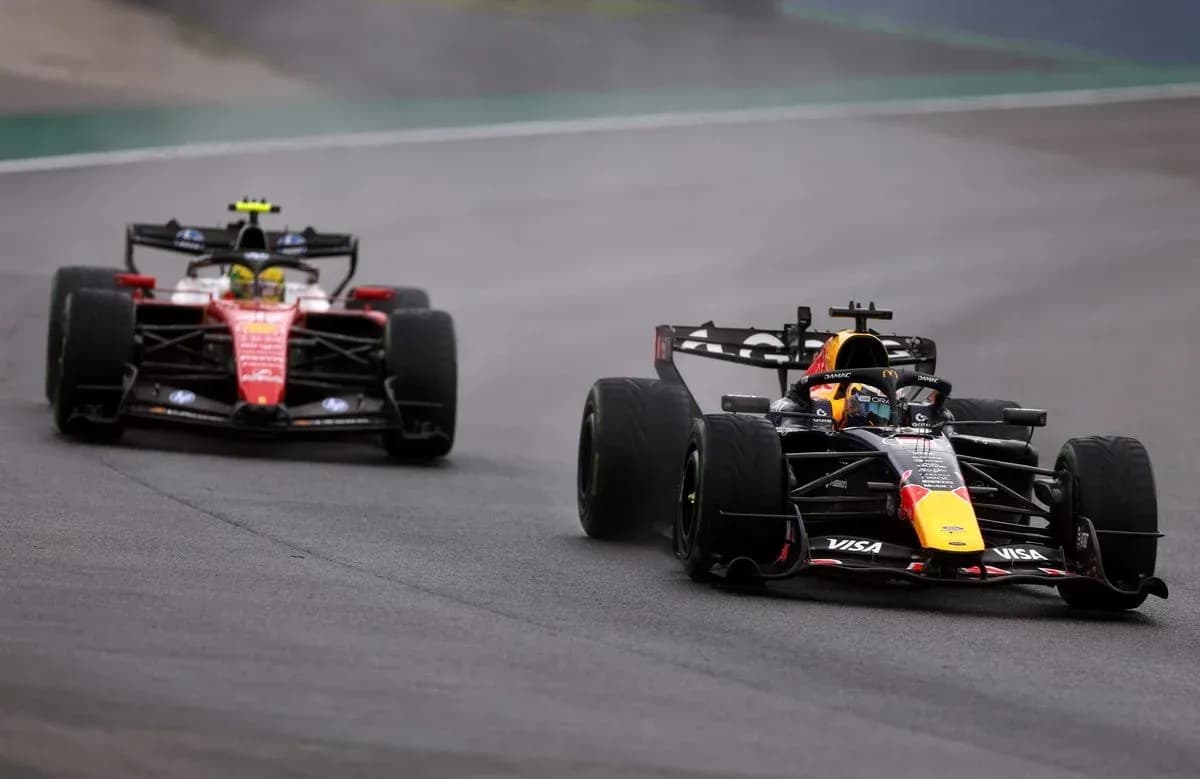
Verstappen’s damaged charge – and the win that got away
From 21st on the grid to second at the flag, 14.6s behind Lando Norris, sounds like another routine Max Verstappen rescue act.
It wasn’t.
Verstappen was adamant something broke away from him as the race evolved. The turning point, in his mind, came when he swapped intermediates for slicks. The Red Bull suddenly snapped into high‑speed oversteer, a car that had felt planted now skating through the fast stuff. When the rain returned and he bolted inters back on for the final stint, the transformation was stark. Grip, balance, confidence – all back.
For Verstappen, that was enough evidence: something on the car wasn’t right in the dry.
Even so, he carved through the field with familiar brutality. The question is whether he left a win on the table or whether Norris, perfectly timed pit calls and all, always had him covered. That remains hypothetical.
What isn’t hypothetical is the comparison sitting in the other Red Bull garage. Isack Hadjar was flying. Over the 38 laps where their races directly overlapped on the same tyre and strategy, Hadjar was quicker on 22 of them. His soft-tyre pace, in particular, was a benchmark.
This wasn’t a case of Verstappen cruising. It was Hadjar producing his most complete Red Bull performance yet, rewarded with a third podium in the top team’s colours and glowing praise from team boss Laurent Mekies, who called it his best race for the outfit.
Even so, you expect Verstappen to carry the edge in equal conditions. Red Bull will dig deep into the data to understand where the aero performance went missing and whether that invisible damage quietly robbed him of a shot at Norris. In a race this finely poised, it matters.
Mercedes crowned, but wobbling
Mercedes left Brazil as double world champions. Constructors’ title sealed, Kimi Antonelli already world champion. On paper, job done.
On track, it looked anything but serene.
Antonelli controlled the opening phase, leading the first 19 laps and doing exactly what a new champion is supposed to do in mixed conditions: stay out of trouble, build a gap, manage the risk. The trouble started when the track began to dry.
Mercedes kept him out longer than most on inters. Given what was at stake, the caution was understandable. The cost was brutal. Norris and McLaren judged the crossover lap to slicks perfectly, stopping a lap earlier, slicing away Antonelli’s advantage and putting him under intense pressure the moment he rejoined.
That pressure told. Mistakes crept in, Antonelli slid out of the fight for the lead and then off the podium entirely. He admitted he was angry with how the win slipped away. The race had echoes of his more ragged days: Montreal, where a duel with George Russell rattled him, or Silverstone, where he never quite settled with a damaged car.
He is a 20‑year‑old world champion, which is both the headline and the caveat. There is still polish to be added, especially when the race turns chaotic.
Mercedes’ other car never even got close to the victory picture. Russell spun in the pitlane – the sort of error that belongs in blooper reels, not title‑winning seasons. To be fair, a soaked Interlagos pit exit on slicks is as treacherous as it gets, the road bending away just as the limiter comes off.
Russell called it a high‑risk play that backfired. His pace on the softs later in the race backed that up; he was right there with Antonelli and Norris in raw speed. The opportunity was real.
Both Mercedes drivers faded again in the final stint on inters. They bled more than half a second per lap to Norris, with Russell suspecting his tyres overheated on the out‑lap as he stopped earliest in that phase, sending the rubber into what he called a “negative spiral”.
Titles secured or not, this was not the swaggering authority of a dominant champion. It was a reminder that even the best can look strangely mortal when conditions turn.
Camara’s brutal debut – and the upside hidden in 20th
Rafael Camara’s first F1 weekend was the sort of assignment you give to someone you want to test, not protect.
Called up at the start of the week. No prior mileage in the Haas, no experience of the 2026 cars. Then throw in a rain‑soaked Interlagos and a qualifying session that caught out seasoned race winners.
The result sheet says 20th, two laps down. It doesn’t tell the whole story.
Camara was genuinely sharp in qualifying. Even with the rain, he put himself into a strong position and flirted with a Q3 appearance that would have been a standout achievement in those conditions. Two offs derailed that: first, a vicious moment of aquaplaning and wheelspin on Reta Oposta, the car snapping into a fishtail; then a lock‑up at Juncao that ended in a heavy hit with the barrier.
After that, no one at Haas was asking him to be a hero in the opening laps. You could see the caution at the start of the race. You could also see why.
Once the track dried and he settled, the raw pace began to appear. Across two soft‑tyre stints, Camara was only about a tenth per lap slower than Ollie Bearman on average, a respectable margin for a rookie with no testing. Bearman’s race was compromised by traffic, which tempers the comparison, but it still underlines Camara’s speed when he finally found rhythm.
His weakness was clear: intermediates. At the start and again at the end, the gap to Bearman ballooned on the green‑walled tyres. Confidence, grip, feel – all were missing in the wet phases that defined the weekend.
Given the context, that’s forgivable. He needed to bring the car home, and by the final inter stint there was nothing left on the table in terms of result.
The stat line looks ugly. The underlying pace does not. From here, his F1 career almost has to trend upwards.
Lawson turns pressure into leverage
Liam Lawson is doing something you rarely see in modern F1: turning a midfield car into a weekly weapon.
Five consecutive weekends he has come out on top of the midfield fight, this time even running as high as second. And yet, with three races to go, he still doesn’t have a confirmed seat for 2027.
Red Bull must choose two out of Lawson, Arvid Lindblad and Nikola Tsolov for Racing Bulls next year. On current form, Lawson is making that choice look more like a formality than a debate.
The pattern is stark. Earlier in the year, Lindblad matched him, sometimes beat him. Since Madrid and Baku, by Lindblad’s own admission, the rookie has “lost [his] rhythm”. Lawson has gone the other way, lifting his level just as the pressure on his future peaked.
The Austin–Mexico–Brazil triple‑header could have sunk his prospects. Instead, it has made him almost undroppable. Dropping a driver on this kind of run would be close to unprecedented for a midfield team – the nearest modern parallel being Sergio Perez losing his Racing Point drive for 2021, only to be scooped up by Red Bull.
The word from inside the camp is that Lawson is closing in on keeping his seat, with an extension likely before Las Vegas. His performances have made the alternative look politically toxic.
Ferrari behave – when it doesn’t hurt
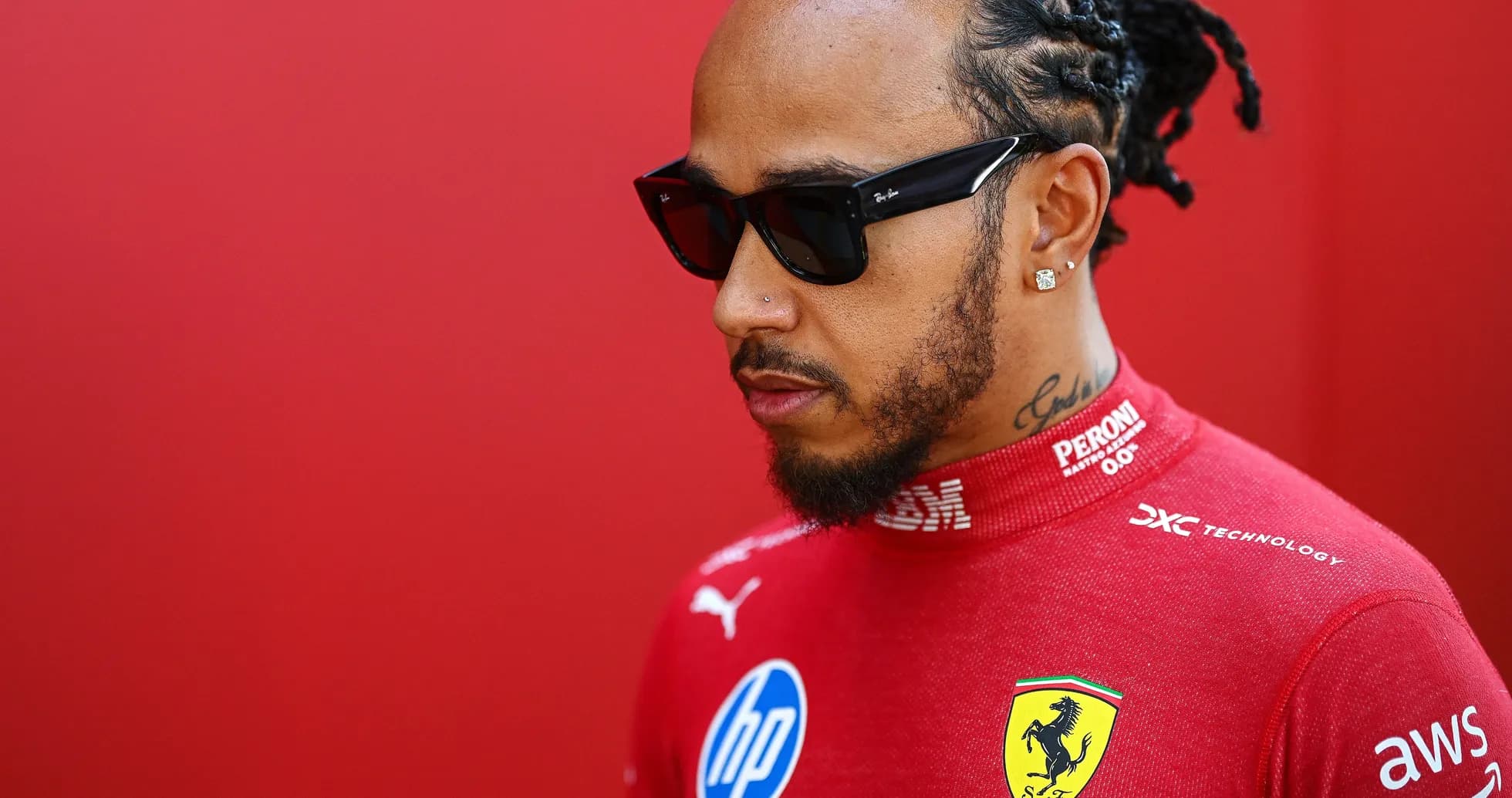
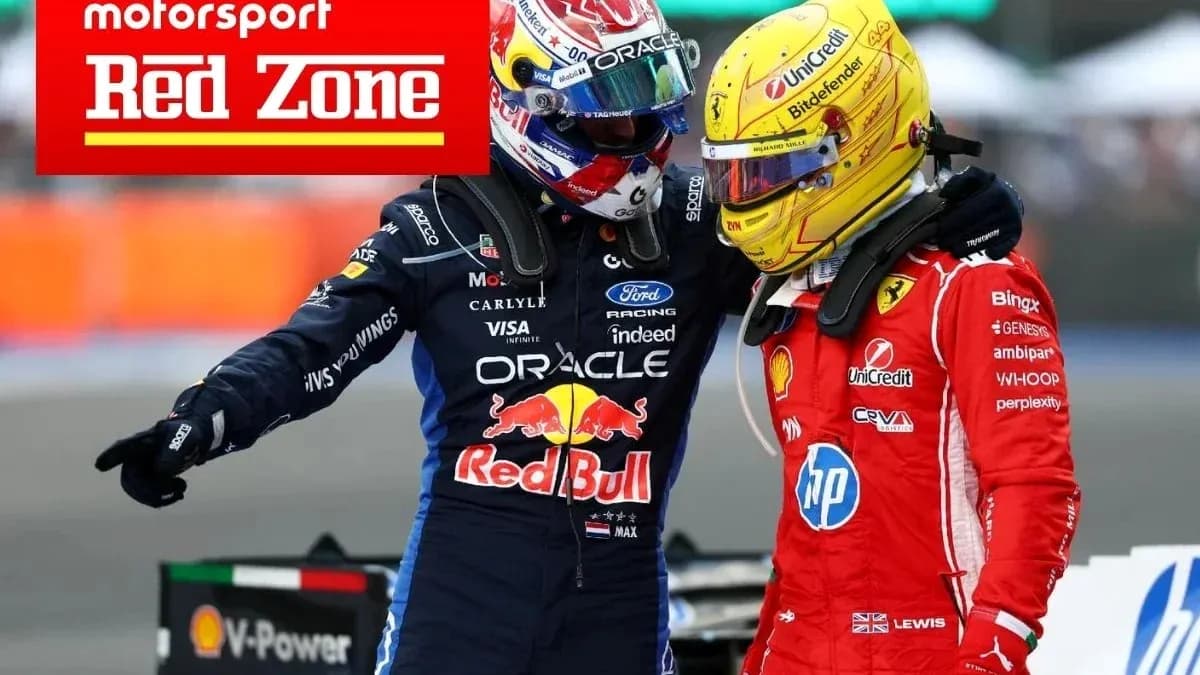
Ferrari arrived in Brazil under a cloud of their own making. Mexico’s intra‑team clash between Charles Leclerc and Lewis Hamilton had blown up into a week‑long inquest into discipline, authority and trust.
Interlagos offered a very different picture. The two Ferrari drivers raced each other cleanly, even respectfully, in horrible conditions. No lunges, no elbows out, no carbon fibre scattered across the circuit.
Fred Vasseur, who loves a joke before he gets serious, didn’t bite on the easy gag. There was no “see, they can behave when it doesn’t matter”. His stance was blunt: you can’t compare a fight for a win with a skirmish over lowly positions.
He was right. This was a damage‑limitation day, not a glory hunt.
The real issue wasn’t discipline. It was pace – or the lack of it when it counted. Grid penalties always meant Ferrari were fighting uphill, but Verstappen and Red Bull proved that starting deep in the pack doesn’t have to cap your ambitions if the car is strong enough.
Ferrari’s wasn’t.
Leclerc climbed from 14th to seventh. Hamilton rose from 20th to ninth. On paper, that looks like solid recovery. In context, after a run of strong dry‑weather races, it was a flat, disappointing response.
Leclerc captured the futility of the situation in one line: Hamilton was much faster, there was no point in fighting. On a day when others turned chaos into opportunity, Ferrari simply survived.
Alpine exposed when the rain comes
Alpine’s weekend was summed up in one brutal description from Pierre Gasly: the car feels “broken” in the wet.
Saturday set the tone. Both cars dumped out in Q1, 17th and 18th, never threatening to climb out of the mire. Sunday didn’t offer redemption. Franco Colapinto and Gasly finished 13th and 14th, a lap down and never in the conversation.
This wasn’t one of those freak wet races where a midfield team could luck into a podium with bold calls. The opportunity ceiling was lower. Alpine still failed to reach it.
The underlying problem was clear: no grip, no confidence, no consistency once the rain fell. Gasly spoke of the car doing “very odd stuff” aerodynamically in the wet, as if the platform simply stopped behaving.
Once the track dried, a different car emerged. Colapinto, on fresh tyres just before the rain returned, was flying, showing there is genuine midfield pace in the A524 when conditions and compound align. On a dry track, on softs, the drivers could finally lean on it.
That only underlined the weakness. Either Alpine’s wet‑weather aero window is tiny, or the team simply got the set‑up wrong and the conditions magnified every flaw. Given Steve Nielsen’s pre‑weekend admission that Alpine has been wasteful this year, Brazil felt like another painful entry on that list.
For a team that started the season strongly, this was arguably the low point of its slide.
The new rain reality: inters under scrutiny
Brazil finally delivered what 2026 had been waiting for: a full, rain‑hit weekend to test the new generation of cars and tyres.
This time, F1 didn’t hide. Qualifying ran in properly heavy rain. The FIA let the field loose instead of parking them in the pitlane at the first sign of spray, and the new cars coped.
Fears that the 2026 machines would be undriveable on intermediates proved overblown. The race unfolded without major incidents triggered by the tyres, even as the surface flipped repeatedly between wet, damp and slick‑friendly.
Drivers, though, were far from satisfied. Carlos Sainz spoke for many when he branded the full wets “not good enough” and highlighted a chronic lack of grip and a reluctance from the inters to switch on. Compared with last year’s rubber, the tyres felt numb.
There is a reason. Pirelli has been forced to stiffen the construction of the intermediates to cope with the huge extra loads generated by F1’s 2026 straight‑mode systems. That stiffer carcass is the opposite of what a rain tyre really wants.
The silver lining is that this isn’t a dead end. Pirelli has already been working on a revised intermediate for 2027 aimed at curing the warm‑up problems and restoring some of the feel drivers are begging for.
For now, teams and drivers will have to dance on a thinner edge when the clouds roll in.
Aston Martin’s bittersweet day – a sharp car, a blunt engine
Fernando Alonso’s race was effectively ruined by Turn 3.
On lap one he followed Ollie Bearman into the runoff, aquaplaning and understeering wide as the field tip‑toed through the spray. Eighth on the grid became 12th by the time he rejoined, and from there it was a grind.
He did what Alonso always does. He fought cars that should have dropped him, measured his aggression in the wet and kept himself hovering around the edge of the points. The final result – 12th – didn’t match the effort.
The Spaniard pointed the finger not at the chassis, but at what sits behind it. Straightline speed is still missing, and he knows it. The Honda power unit continues to drag Aston Martin down the straights, even as the rest of the car shines.
In the mixed conditions, that deficit was partly masked. At various stages Alonso could hang with Ferraris and even Mercedes, a clear sign that the AMR’s chassis is in a very good place. He called the car “phenomenal”, and on the evidence of its cornering performance, that was no exaggeration.
The frustration is obvious: when the car finally feels this sharp, the engine won’t let it show.
Worse, Honda’s reliability gremlins resurfaced. Lance Stroll suffered battery issues on both Saturday and Sunday, with the manufacturer still searching for the root cause. Performance can be tuned, deficits clawed back. Unreliability, this late into a cycle, is a different kind of headache.
Aston Martin left Brazil knowing it has a car that can punch in the midfield. The question now is whether its engine partner can give it the platform to do that consistently before this era closes.