Brendon McCullum Turns to Kevin Pietersen for England's Cricket Revival
Brendon McCullum is turning to one of England’s most mercurial former batters to fix one of their oldest problems.
After England were skittled for 131 and beaten by seven wickets on a lively Perth surface, the white-ball head coach confirmed Kevin Pietersen will lead the post‑mortem before flying out of the tour. The “specialist mentor” brought in over the summer leaves after Sunday’s second ODI in Adelaide, with his next planned involvement not until January’s series in South Africa.
For McCullum, that makes these final hours with Pietersen too valuable to waste.
Perth echoes and World Cup warnings
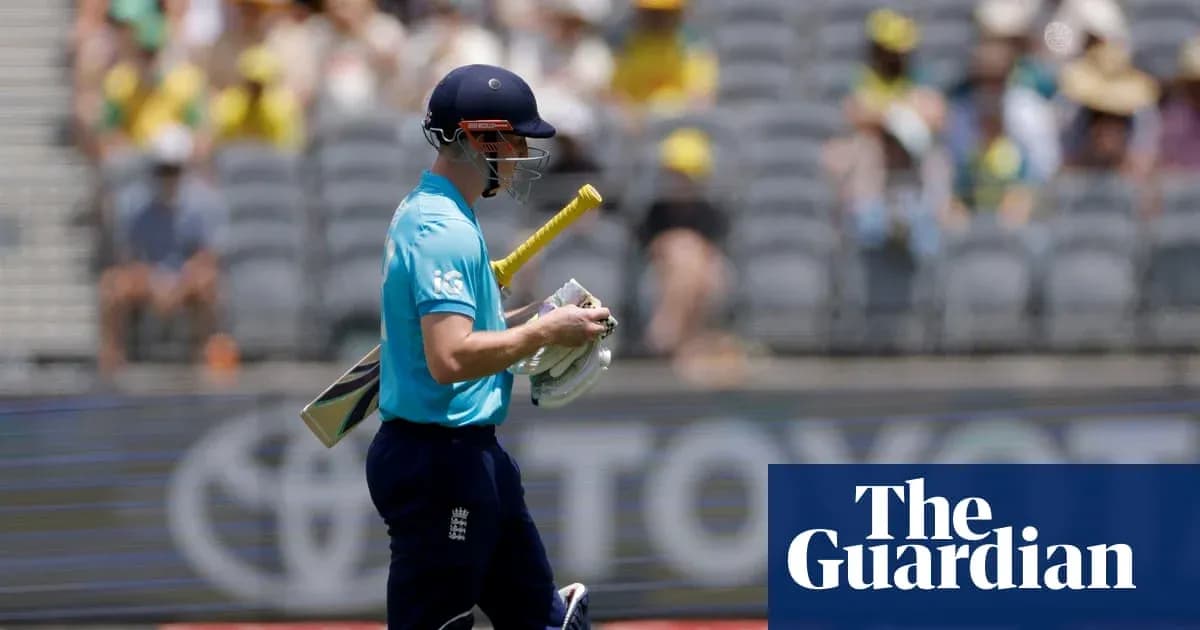
Friday’s collapse stirred uncomfortable memories of the first Ashes Test at the same venue a year ago: England undone by pace and bounce, again. This time, though, the implications stretch far beyond a bruising night in Western Australia.
Next year’s 50-over World Cup in southern Africa looms large. Surfaces like the Wanderers in Johannesburg – hard, fast, unforgiving – will not indulge technical vanity or muddled gameplans. Perth felt like an early warning shot.
“It all happened pretty quick,” McCullum told TNT Sports, reflecting on how England’s innings unravelled. His side had spoken at length about what awaited them: a pitch that behaves like a trampoline, where driving on the up is a luxury shot, not a percentage one. They knew. They still failed to adapt.
“We weren’t quick enough to adapt to the conditions,” he said. The assessment was blunt, the frustration obvious. England had prepared for bounce; they still walked into the same trap.
McCullum’s message now is simple: learn fast or get found out again. “There’s going to be some pitches [at the World Cup] that will test us from a bounce point of view. We need to be able to adapt to conditions a bit more, we need to scrap a bit more.”
The word “scrap” is doing a lot of heavy lifting there. England’s white-ball revival over the summer – series wins over India and Sri Lanka – had been built on clarity and aggression. This early winter has exposed the other side of the coin: four defeats in five meaningful games in Pakistan, and now this.
Pietersen’s hard truths
Into that gap steps Pietersen. The 46-year-old has been hired not for nostalgia, but for edge. McCullum wants him to challenge, to prod, to unsettle complacency.
“KP has got such a nice manner about him,” McCullum said, before quickly getting to the real point: Pietersen sees his role as getting talent to perform on the world stage. The delivery may be calm, but the content will not be soft.
His message, McCullum expects, will be “measured but firm” – a forensic look at what went wrong, and what must change on surfaces with serious bounce. Chief among the themes: shot selection. Trying to drive the ball on the up on a trampoline deck is, in McCullum’s words, “not wise”. Perth proved it.
The pressure finally told on Friday as England’s top order persisted with high-risk strokes that belonged on truer pitches. Now, before Pietersen heads off to India on Monday for a YouTube conference, he has one last chance on this tour to drill in a different mindset.
The original plan had been for Pietersen to return for the T20 leg in Australia. That has shifted. His next stint with England is now expected to be during the ODIs in South Africa in January – on the very sort of surfaces this team must quickly learn to master.
Selection questions and Rashid’s absence
While the batting collapse dominated the night, one selection call continues to rumble in the background. Adil Rashid, England’s second-highest ODI wicket-taker and a cornerstone of their white-ball success, has again found himself on the outside looking in.
Liam Dawson has taken his place, just as he did during the tri-series in Pakistan. There, the justification was conditions. In Perth, it was the same story.
Harry Brook, leading the one-day side, insisted the decision was tactical, not symbolic. “We knew that the surface here today was going to be seam-friendly and spin wasn’t going to play a massive part,” he said. That, he explained, is why they went with Dawson, “probably a better batter than Rash at the minute”.
From a purely strategic point of view, the logic held – at least on paper. Batting depth, extra seam options, minimal expected spin. Brook even argued it was “the right decision in the end”.
The awkward detail? Dawson never bowled a ball.
So Rashid, the man who has so often broken games open in the middle overs, watched from the sidelines while England’s quicks did all the work and the batting fell apart. In Adelaide, traditionally more batter‑friendly and kinder to spin, that reasoning will come under sharper scrutiny.
A winter turning quickly
The mood around England’s 50-over side has shifted in a matter of weeks. The optimism of the summer has given way to a stark reality: four defeats and a single dead-rubber win in Pakistan, followed by a heavy loss in Perth, have laid bare just how much work remains before the World Cup.
McCullum is not panicking, but he is not sugar-coating it either. His side must adapt quicker, fight harder, and think smarter when conditions turn hostile. That is why Pietersen is in the room, why his words now carry particular weight.
The mentor will leave Adelaide with England still searching for answers. The next time he joins them, in South Africa, the questions will be even sharper, the stakes far higher.