Brentford and Crystal Palace Draw in Premier League Clash
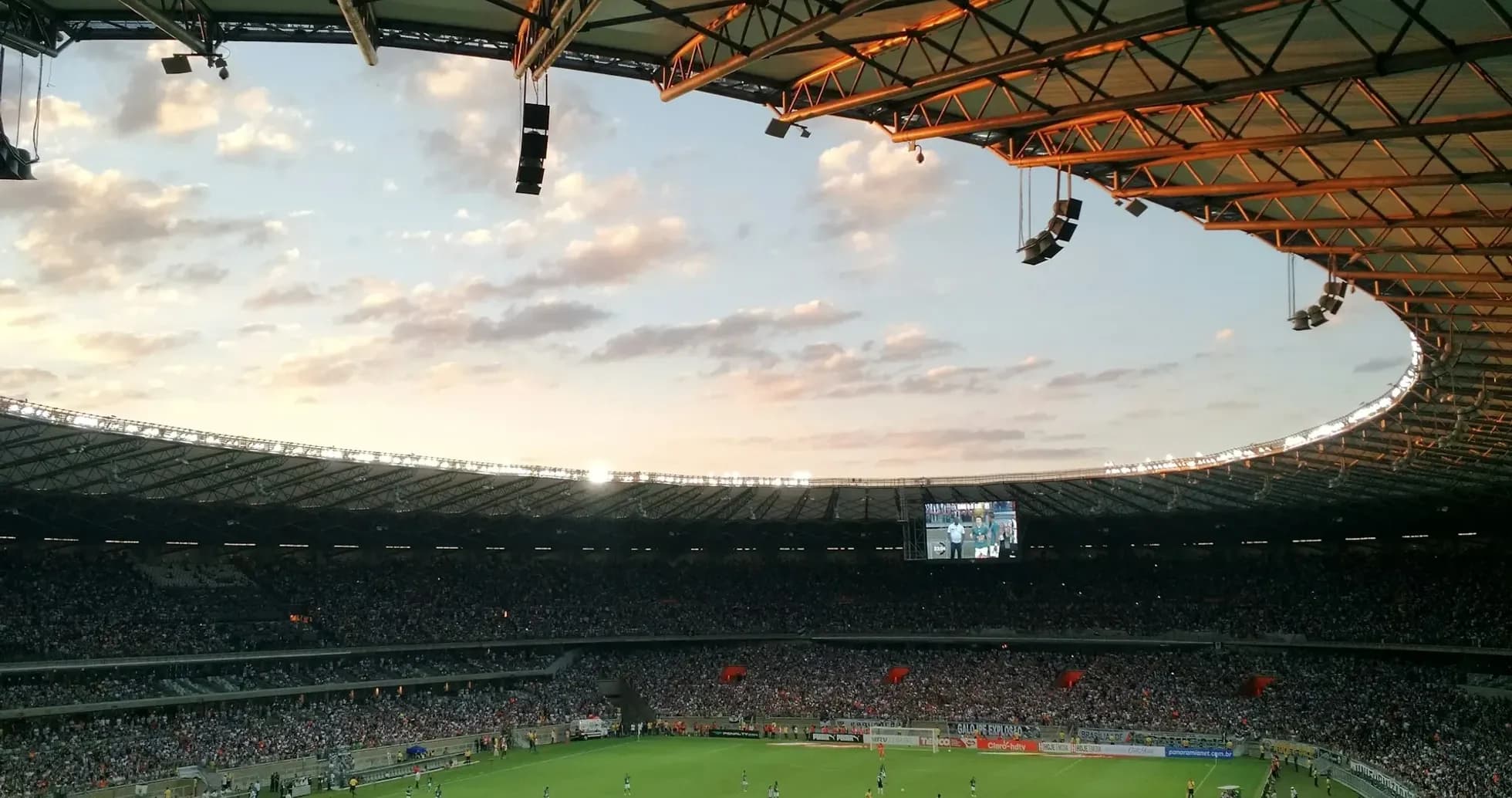
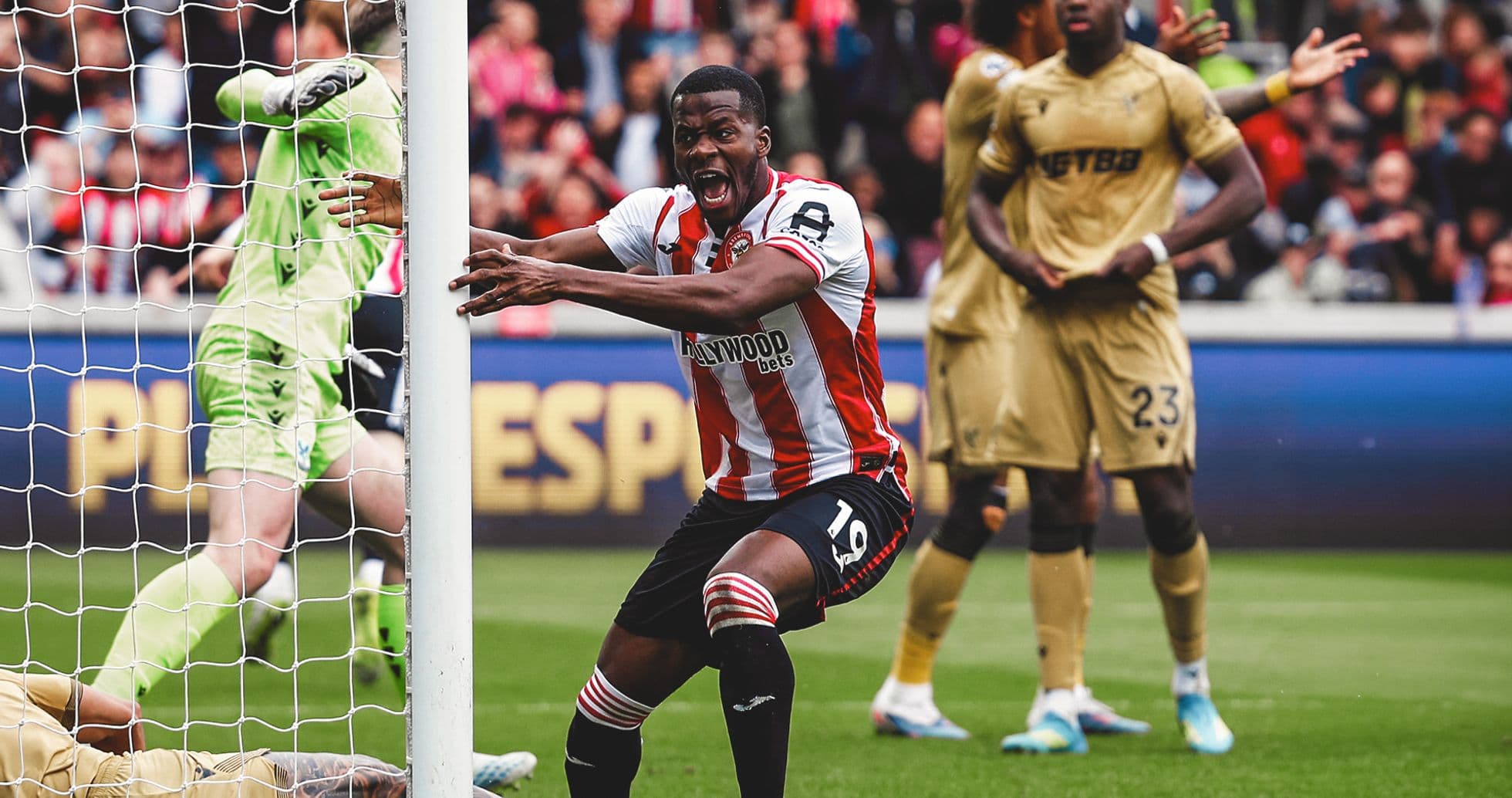
The late-season light slanted across the Brentford Community Stadium as Brentford and Crystal Palace walked out for a Round 37 Premier League meeting that felt like a snapshot of their entire campaigns. The scoreboard would eventually freeze at 2-2, a result that neatly echoed both sides’ statistical DNA: Brentford’s attacking ambition tempered by defensive frailty, Palace’s away resilience balanced by structural vulnerability.
Final Score: Brentford 2 - 2 Crystal Palace
Following this result, Brentford sit 8th with 52 points, their overall goal difference of 3 the product of 54 goals scored and 51 conceded across 37 matches. Crystal Palace, 15th with 45 points and an overall goal difference of -9 (40 for, 49 against), arrived in west London with the league table reminding them that survival had been ground out more than it had been celebrated.
Team Formations
Keith Andrews again leaned into Brentford’s season-long identity by rolling out the familiar 4-2-3-1, a shape they have used in 28 league matches. It offered a clear spine: Caoimhín Kelleher in goal, a centre-back pairing of Kristoffer Ajer and Nathan Collins, Vitaly Janelt and Yehor Yarmolyuk as the double pivot, and Igor Thiago as the lone striker. Oliver Glasner, by contrast, stayed true to his structural revolution at Palace with a 3-4-2-1, the system he has deployed 32 times. Maxence Lacroix anchored a back three flanked by J. Canvot and Chadi Riad, with a fluid front three of Ismaïla Sarr, Yeremy Pino and J. S. Larsen designed to break at speed.
Absentees Impact
The absentees subtly shaped the contest. Brentford were without Fábio Carvalho and A. Milambo, both sidelined by knee injuries, and Rico Henry with a muscle problem. Their absence nudged Andrews toward using K. Lewis-Potter as a nominal left-back in the back four, a choice that tilted Brentford’s build-up heavily down that flank but also left space behind him for Palace transitions. Palace, meanwhile, had to cope without the control and screening of C. Doucouré (knee injury) and the penalty-box presence of E. Nketiah (thigh injury), as well as the left-sided balance of B. Sosa. Without Doucouré, the midfield shield in front of Lacroix was lighter, forcing Adam Wharton and Daichi Kamada to cover more lateral ground.
Discipline
Discipline was always going to be a quiet subplot. Heading into this game, Brentford’s yellow-card profile showed a clear late-game spike: 27.27% of their bookings arrived between 76-90 minutes, part of a broader pattern of increasing aggression as matches wore on. Palace, by contrast, spread their cautions more evenly but still showed a high intensity in the 31-45, 46-60 and 76-90 minute windows, each accounting for 18.42% of their yellows. The red-card narrative was more pointed: Brentford’s season featured a single dismissal in the 31-45 minute band, while Palace’s two reds both came between 46-75 minutes, a reminder that Glasner’s high-energy press can tip into recklessness after half-time.
Key Matchups
On the pitch, the “Hunter vs Shield” duel centred on Igor Thiago against the Palace back line. Heading into this game, Thiago had produced 22 league goals in total, from 66 shots with 43 on target, and had converted 8 penalties while missing 1. He is not just a finisher but a volume duelist, engaging in 513 total duels and winning 199, and he had also blocked 7 shots defensively. His presence asked constant questions of Lacroix, Palace’s defensive metronome. Lacroix arrived with a quietly outstanding defensive season: 60 tackles, 18 successful blocks and 45 interceptions, underpinned by 1,656 passes at an 88% accuracy. Every time Thiago dropped off to link with Mikkel Damsgaard or Mathias Jensen, Lacroix had to decide whether to follow into midfield or hold the line.
Statistical Analysis
Statistically, the matchup was delicately poised. At home, Brentford averaged 1.7 goals for and 1.1 against, a profile of a side that expects to outscore visitors. Palace, on their travels, averaged 1.2 goals for and 1.5 against, a team that can hurt opponents but is accustomed to suffering. Brentford’s 5 home clean sheets and Palace’s 5 away clean sheets hinted that both sides could lock things down, yet their overall numbers – 54 goals for and 51 against for Brentford, 40 for and 49 against for Palace – pointed more toward a game of traded blows than a cagey stalemate. The 2-2 scoreline felt like the logical intersection of those curves.
Engine Room Duel
In the “Engine Room,” the duel between Janelt and Yarmolyuk on one side and Wharton and Kamada on the other defined the rhythm. Janelt’s screening allowed Lewis-Potter and M. Kayode to push high, effectively turning Brentford’s 4-2-3-1 into a 2-3-5 in sustained possession. Palace countered by using Sarr and Pino as narrow outlets, receiving behind Brentford’s advanced full-backs and driving at Ajer and Collins. Without Doucouré’s natural ball-winning, Wharton had to step into more of an enforcer role, freeing Kamada to connect midfield to attack.
Expected Pattern
From a statistical prognosis perspective, the expected pattern was always one of shared chances. Brentford’s overall scoring average of 1.5 goals per match against Palace’s overall concession rate of 1.3 suggested the hosts would likely find multiple openings. At the same time, Palace’s away scoring average of 1.2, facing a Brentford side conceding 1.4 overall, pointed to the visitors carrying enough threat to score at least once. Factor in that both clubs had perfect penalty conversion this season – 8 scored from 8 attempts each, with no misses – and any foul in the box always loomed as a potential turning point.
In the end, the 2-2 draw crystallised who these teams have been all season: Brentford, an attacking side whose bravery sometimes leaves them open; Palace, a structurally bold away team that lives on the edge between control and chaos. The numbers had hinted at a game of traded punches. The pitch delivered exactly that.