Brighton 2–1 Nottingham Forest: Seagulls Secure Vital Win
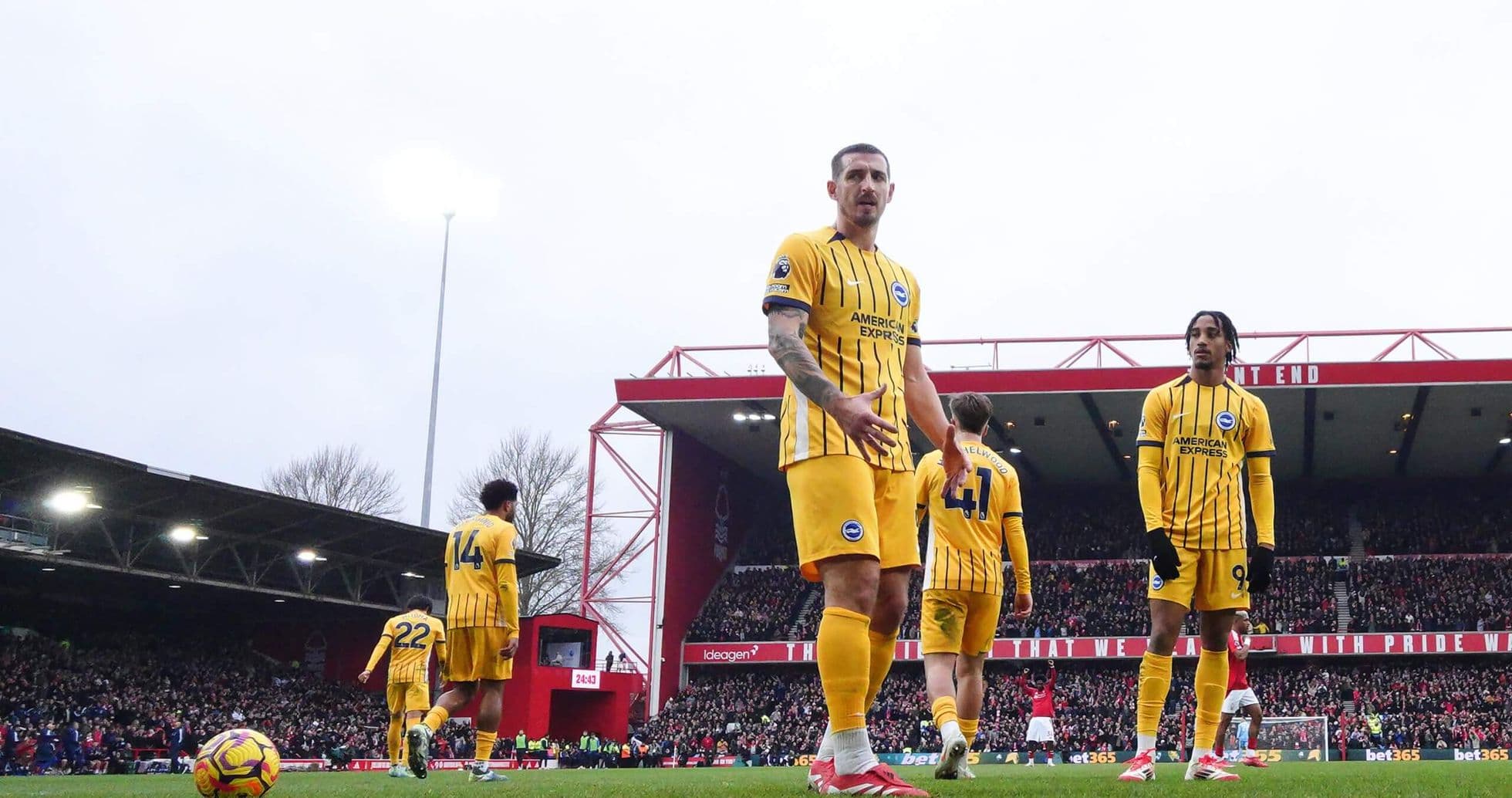
Brighton edged a high‑stakes Premier League clash 2–1 against Nottingham Forest at the Amex Stadium on 1 March, with all the scoring packed into a frantic opening quarter of an hour. In a meeting of sides with very different ambitions, Fabian Hurzeler’s team struck twice through Diego Gómez and Danny Welbeck and then managed the game to protect their lead. The result consolidates Brighton in mid‑table comfort, while Vitor Pereira’s Forest remain locked in a relegation battle near the foot of the table.
First-half analysis
The game exploded into life almost immediately. Brighton, set up in a 4‑2‑3‑1, struck first on 6'. Diego Gómez finished a move created by Pascal Groß, whose assist underlined his familiar influence from midfield. Forest, also in a 4‑2‑3‑1, responded quickly. On 13', Morgan Gibbs-White levelled, converting after being set up by centre-forward Igor Jesus to restore parity and briefly silence the home momentum.
Brighton’s answer was instant and decisive. Just two minutes later, on 15', Jack Hinshelwood provided the assist for Danny Welbeck, who restored the Seagulls’ advantage at 2–1. That flurry of goals defined the half: Brighton repeatedly found space between Forest’s lines, while the visitors carried a threat on transition but could not find a second breakthrough.
The only booking of the opening period came on 30', when Elliot Anderson was shown a yellow card for simulation. Beyond the disciplinary flashpoint, the rest of the half settled into a more controlled rhythm, with Brighton protecting their narrow lead and Forest unable to translate their moments of promise into clear end product before the interval.
Second half & tactical shifts
The pattern after the restart was more attritional, and the game’s story turned on management of risk rather than further goals. Brighton picked up their first caution on 55', Mats Wieffer going into the book for a foul, a reminder of Forest’s attempts to push forward.
Recognising the need for more thrust, Vitor Pereira moved early. On 56' he made a double change: Omari Hutchinson went off for defender Jair, and Neco Williams was replaced by left-back Luca Netz. With a defender coming on for an attacking midfielder, Pereira appeared to be rebalancing a side that had been exposed down the flanks, while Netz’s introduction at full-back offered fresh legs and potentially more attacking width from deeper areas.
Hurzeler’s first move came on 71', when booked defender Wieffer made way for Joël Veltman. That like-for-like change at right-back suggested game management: fresh defensive energy to help Brighton see out their lead rather than chase further goals.
Forest then pushed their chips forward. On 74', Callum Hudson-Odoi was withdrawn for forward Dilane Bakwa, adding an extra direct threat from wide. Eight minutes later, on 82', Ola Aina was replaced by Dan Ndoye, another forward, turning the visitors’ shape more aggressive. The final Forest roll of the dice came on 83', with striker Igor Jesus replaced by Taiwo Awoniyi, a more physical presence up front to attack crosses and long balls.
Brighton, under growing pressure, responded with their own late reshuffle on 86'. Goalscorer Gómez came off for Solly March, adding fresh running and defensive work on the flank, while James Milner was replaced by Carlos Baleba to reinforce central midfield legs. Kaoru Mitoma was booked for a foul on 84', underlining the increasing intensity, and Hurzeler took no risks with his winger, substituting Mitoma on 90+1' for left-back Maxim De Cuyper to lock down the flank.
Lewis Dunk’s yellow card for a foul on 90+3' summed up Brighton’s closing approach: committed defending and a willingness to take bookings to protect the advantage. Forest, despite the attacking changes, could not force an equaliser as Brighton saw out the final minutes.
Statistical deep dive
The numbers underline how finely balanced the contest was. Brighton controlled 53% of the ball, with Forest conceding possession at 47% but remaining competitive. Passing quality was almost identical: Brighton completed 438 of 507 passes (86%), Forest 372 of 436 (85%). That small edge in possession and accuracy helped Brighton manage tempo once ahead.
In attack, Brighton produced 14 total shots to Forest’s 13, a near parity that fits the narrow scoreline. The Seagulls were marginally sharper in front of goal with 7 shots on target against Forest’s 4, aligning with the expected goals data: Brighton’s xG of 1.31 versus Forest’s 0.93 suggests the hosts carved out slightly better chances and converted them more clinically. Both goalkeepers recorded saves but with “goals prevented” at 0 for each, the finishing rather than extraordinary shot-stopping decided the outcome.
Discipline reflected a competitive but not overly reckless game. Brighton committed 12 fouls to Forest’s 13, but the hosts collected three yellow cards (Wieffer, Mitoma, Dunk) compared to just one for Forest (Anderson). That skew hints at Brighton’s willingness to break up play and absorb pressure as they protected their second-half lead.
Standings & implications
The victory lifts Brighton to 37 points from 28 matches, with a goal difference of +3 and 11th place in the Premier League table. Their record of 9 wins, 10 draws and 9 defeats, with 38 goals scored and 35 conceded, keeps them comfortably in mid-table and looking upwards rather than over their shoulders. At the Amex, they now boast 6 wins from 14 home games, reinforcing the stadium as a solid base.
For Nottingham Forest, the defeat is more damaging. They remain 17th on 27 points, with a goal difference of –15 and a record of 7 wins, 6 draws and 15 losses (26 scored, 41 conceded). With just 4 away wins from 14 and a recent form line of LLDLD, Pereira’s side stay perilously close to the relegation zone, needing a swift response to avoid being dragged further into the scrap at the bottom.