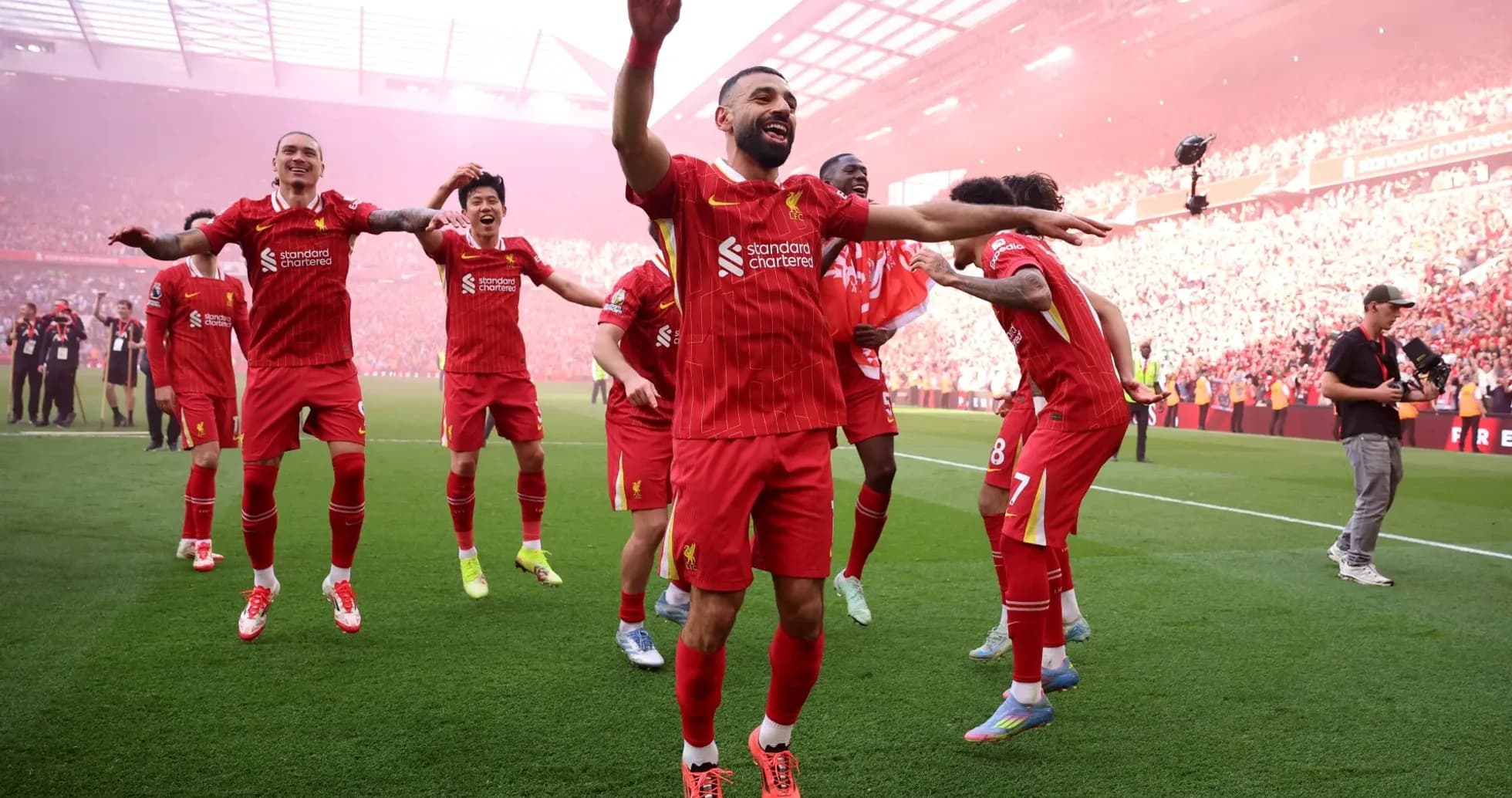
Liverpool vs Tottenham: Premier League Clash at Anfield
On 15 March 2026, Anfield stages a fixture heavy with narrative weight and tactical intrigue as Liverpool host Tottenham in the Premier League. With Chris Kavanagh in charge and kick-off at 16:30 UTC, it is a meeting of a side pushing for Europe against one sliding dangerously towards the relegation fight. The table sets the tone: Liverpool sit 6th on 48 points, Tottenham 16th on 29 – a stark 19‑point gap that underlines just how different their campaigns have been.
Liverpool’s mission is clear: consolidate a top‑six position and keep pressure on the sides above. Tottenham’s is more urgent: halt a freefall that has seen them lose ground on almost everyone around them. The setting could hardly be more hostile for the visitors; Anfield remains one of the most demanding away trips in England, and the numbers back that up.
Form Guide and Statistical Pulse
Liverpool arrive with a curious blend of inconsistency and underlying strength. Their league form line of LWWWL hints at volatility, yet the broader statistical picture is more reassuring. Across 29 matches, they have 14 wins, 6 draws and 9 defeats, scoring 48 and conceding 39. At Anfield, they have been solid: 8 wins, 3 draws and 3 losses from 14 home games, with 26 goals scored and 16 conceded.
That translates to an average of 1.9 goals scored and 1.1 conceded per home match – a profile of a side that generally dominates, creates chances and, crucially, does not give away too much. Four home clean sheets and only two matches at Anfield without scoring underline their reliability in front of their own fans. Their biggest home win in the league, 5‑2, and the fact they have never conceded more than three at home this campaign, reinforce the sense that when Liverpool click, they can overwhelm visitors.
Tottenham, by contrast, are a study in imbalance. Their overall record of 7 wins, 8 draws and 14 losses, with 39 goals scored and 46 conceded, has dragged them into 16th place. The form line of LLLLL is brutal: five straight league defeats, and a team searching for both confidence and identity.
Yet their away numbers are not entirely bleak. Spurs have taken 5 wins, 4 draws and 5 defeats on the road, scoring 21 and conceding 21 in 14 away matches. An average of 1.5 goals scored and 1.5 conceded away from home suggests they can be competitive and occasionally dangerous when given space. Five away clean sheets show they are capable of shutting teams out on their travels, but the recent sequence of defeats hints at a side whose structure and belief have eroded.
Head-to-Head: Goals, Chaos and a Clear Edge
The last five meetings between these two have been wild, high‑scoring affairs, and Liverpool have largely had Tottenham’s number.
- On 20 December 2025 in London, Liverpool won 2‑1 at the Tottenham Hotspur Stadium in the Premier League after a 0‑0 half-time scoreline.
- On 27 April 2025 at Anfield, Liverpool dismantled Spurs 5‑1 in the league, leading 3‑1 at half-time.
- In the League Cup semi‑final at Anfield on 6 February 2025, Liverpool won 4‑0 after going in 1‑0 up at the break.
- In the first leg of that same semi‑final on 8 January 2025 in London, Tottenham edged a tight 1‑0 victory after a 0‑0 first half.
- On 22 December 2024 at the Tottenham Hotspur Stadium, Liverpool produced a stunning 6‑3 league win, having led 3‑1 at half-time.
Treating those five matches as a closed set, Liverpool have four wins to Tottenham’s one, with aggregate scores heavily in Liverpool’s favour. The pattern is striking: when these sides meet, goals flow, and Liverpool’s attacking structure has repeatedly ripped through Spurs’ defensive shape, especially at Anfield.
Tactical Landscape
Liverpool’s season data reveals a team most comfortable in a 4‑2‑3‑1, used in 27 of their league matches. That shape allows them to combine a double pivot with a fluid band of three behind the striker, and the numbers suggest it works: 1.7 goals per game overall, and an ability to string together long winning streaks (a best of five consecutive victories).
The pressing intensity and verticality expected at Anfield should be amplified by their attacking focal point, Hugo Ekitike. With 11 league goals and 4 assists from 26 appearances, he has been Liverpool’s standout scorer. His 47 shots (19 on target) and 20 key passes paint the picture of a forward who not only finishes but also links play and creates. His dribbling volume – 70 attempts with 37 successes – points to a striker happy to run at defenders, attack channels and destabilise back lines.
Liverpool’s main structural question is how they adapt without a raft of important names. Alisson’s absence through muscle injury is significant: the Brazilian’s sweeping and distribution are central to how Liverpool build from the back and manage transitions. Without him, the back line may sit a fraction deeper, and the build‑up may be more conservative.
Further upfield, the missing list is long: S. Bajcetic (hamstring), C. Bradley (knee), F. Chiesa (illness), W. Endo (foot), A. Isak (broken leg) and G. Leoni (knee) all ruled out. That removes depth at full‑back, midfield ballast, and attacking variety. It may force Liverpool to lean heavily on their core XI and maintain the 4‑2‑3‑1, with less flexibility to change games from the bench.
Tottenham’s tactical profile is more fluid but less settled. They have alternated between 4‑2‑3‑1 (13 times), 4‑3‑3, 3‑4‑2‑1 and other shapes, searching for balance. Their biggest away win, 0‑3, shows how dangerous they can be when the structure clicks and they can counter into space, but the recent sequence of defeats and a goal‑against average of 1.6 per match overall tell the story of a side that leaves gaps.
Richarlison is the obvious reference point. With 8 league goals and 3 assists, he remains Tottenham’s most potent attacking threat. His 27 shots (16 on target) and 15 key passes underline his dual role as finisher and creator. He is combative too, drawing 24 fouls and engaging in 213 duels, winning 91. In a match where Spurs may have to play longer and more directly, his ability to occupy centre‑backs, win aerials and bring others into play will be crucial.
But Tottenham’s team news is bleak. Rodrigo Bentancur (muscle), L. Bergvall (ankle), B. Davies (ankle), M. Kudus (muscle), D. Kulusevski (knee), James Maddison (knee), W. Odobert (knee) and Destiny Udogie (muscle) are all listed as missing. That strips Spurs of creativity between the lines, ball‑winning in midfield, width, and attacking depth. The suspension of M. van de Ven after a red card further weakens a defence already under strain.
Without Maddison’s passing, Kulusevski’s ball‑carrying and Udogie’s aggressive overlapping, Tottenham will likely have to sit deeper, protect central spaces and hope to spring counters through Richarlison and whichever wide players are available. Their five away clean sheets suggest they can build a low block and frustrate, but doing so at Anfield, against a side that averages nearly two goals per home game, is a different level of difficulty.
The Verdict
All the indicators – league position, recent form, head‑to‑head record, and injury lists – point towards Liverpool as strong favourites. They are formidable at Anfield, have a clear tactical identity, and possess a confident, in‑form focal point in Hugo Ekitike. Tottenham arrive on a run of five straight defeats, stripped of key creators and defenders, and facing a ground where they have recently been beaten 5‑1 and 4‑0.
The caveat is Liverpool’s own absentees, particularly Alisson and the loss of depth in midfield and attack, which could introduce moments of vulnerability if Tottenham can disrupt their build‑up and hit quickly in transition. Richarlison’s physicality and work rate ensure Spurs will carry some threat.
Even so, the balance of probability leans heavily towards a Liverpool win in a match that should again feature goals. Expect Liverpool to impose their 4‑2‑3‑1, press high, and look to suffocate a depleted Tottenham side. A high‑tempo, attack‑minded home performance, and a Spurs team forced into reactive, counter‑punch football, feels the likeliest tactical script at Anfield on 15 March 2026.