Canada vs Morocco: Knockout Clash at 2026 World Cup
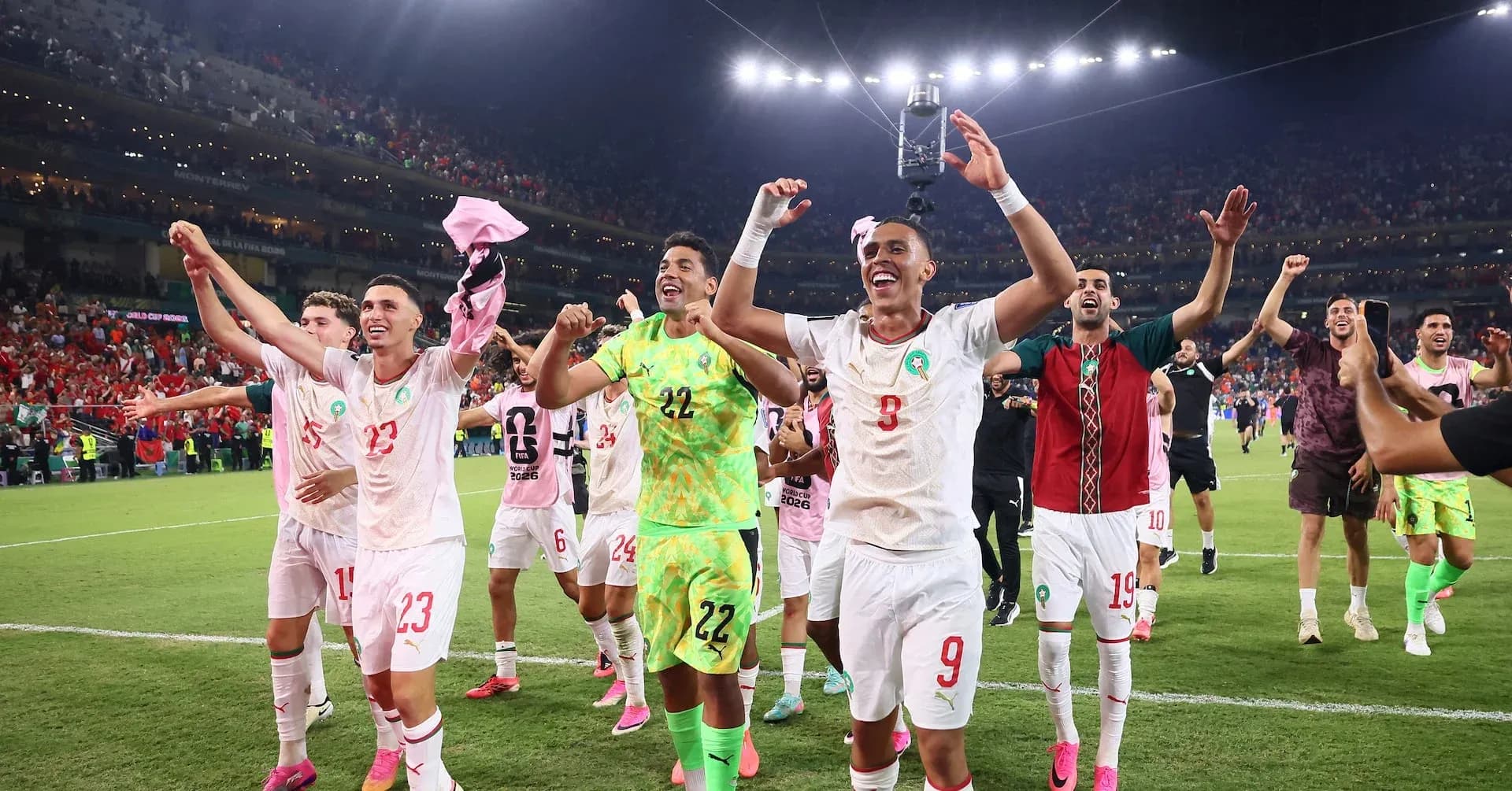
Canada and Morocco meet at NRG Stadium in Houston in a knockout Round of 16 tie at the 2026 World Cup, a step where the stakes shift from group management to pure survival: for Canada, it is a chance to convert an expansive group-stage attack into a historic first deep run, while for Morocco it is about validating a strong, controlled group campaign and proving that their 2022 breakthrough was the start of a sustained presence in the latter stages.
Head-to-Head Tactical Summary
The recent World Cup history between these sides is limited to one competitive meeting, but it is fresh and highly relevant. On 1 December 2022 at Al Thumama Stadium in Doha, Canada hosted Morocco in a World Cup group-stage match and lost 1–2 (half-time 1–2). That game underlined Morocco’s ability to strike early and manage a lead, while exposing Canada’s vulnerability when chasing from behind despite their capacity to create and score.
Global Season Picture
- League Phase Performance: In the group stage, Canada finished 2nd in Group B with 4 points from 3 matches, scoring 8 goals and conceding 3, for a goal difference of +5. Morocco also finished 2nd, in Group C, with 7 points from 3 matches, scoring 6 and conceding 3, for a goal difference of +3. Both arrive in the knockouts with positive differentials, but Morocco carry the stronger points return and unbeaten record from their group.
- Season Metrics: Across all competitions in this World Cup cycle, Canada have played 4 matches, winning 2, drawing 1 and losing 1, with 9 goals scored and 3 conceded. Their profile is that of a high-output attack (2.3 goals per match) backed by a relatively tight defense (0.8 conceded), and they have yet to fail to score in any game. Morocco have also played 4 matches, with 2 wins and 2 draws, scoring 7 and conceding 4; their attack is slightly less explosive on average (1.8 goals per match), while their defense allows about 1.0 goal per match. Canada’s numbers suggest a more open, high-variance game state, whereas Morocco trend towards controlled margins.
- Form Trajectory: In the group stage, Canada’s form string of WLWD reflects an inconsistent but dangerous path: a loss, then a win, then a draw, indicating volatility but also resilience and the ability to respond. Morocco’s WWWD run is markedly more stable: three straight wins followed by a draw, pointing to a side that has been consistently hard to beat and has managed game states effectively heading into the knockouts.
Tactical Efficiency
With Canada’s attacking output at 9 goals in 4 matches and Morocco’s at 7 in 4, both sides carry credible offensive threats, but the way they reach those numbers differs. Canada’s average of 2.3 goals scored and 0.8 conceded per match points to a front-foot, risk-tolerant approach that has so far been rewarded with goals and clean sheets in half of their games. Morocco’s 1.8 scored and 1.0 conceded per match reflect a slightly more balanced risk profile, with enough attacking punch to win but a defensive structure that typically limits opponents to single goals. In efficiency terms, Canada may generate and convert more chances in open play, while Morocco’s record, including their 2022 win over Canada, suggests a team that capitalizes on key moments and then leans on structure and game management. The contrast sets up a tactical battle between Canada’s willingness to stretch the game and Morocco’s preference for controlled, compact phases with selective surges forward.
The Verdict: Seasonal Impact
This Round of 16 clash is season-defining for both nations. For Canada, progressing would confirm that their prolific group-stage attack and improved defensive numbers can translate into knockout success, elevating them from emerging participants to genuine quarter-final contenders in 2026 and reshaping expectations for their core group heading into future tournaments. Elimination, by contrast, would underline a narrative of promise without breakthrough, especially given their goal difference and attacking form. For Morocco, advancing would reinforce their status as a consistent force in the latter stages after 2022, cementing them as a benchmark side from outside the traditional elite and validating a group campaign built on stability and control. A defeat, especially after an unbeaten group run, would feel like an under-delivery relative to their trajectory. In seasonal terms, this match will largely determine whether 2026 is remembered as a consolidation of Morocco’s rise or as the year Canada finally converted potential into a deep World Cup run.