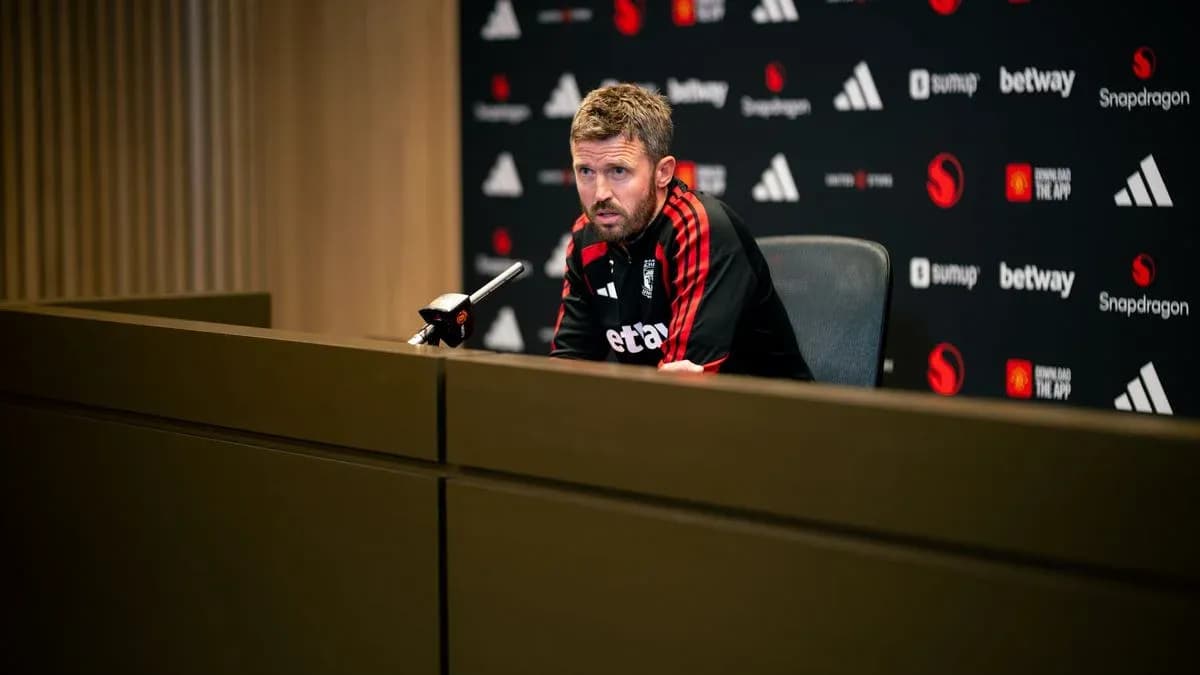
Michael Carrick Reflects on Sir Alex Ferguson's Legacy at Manchester United
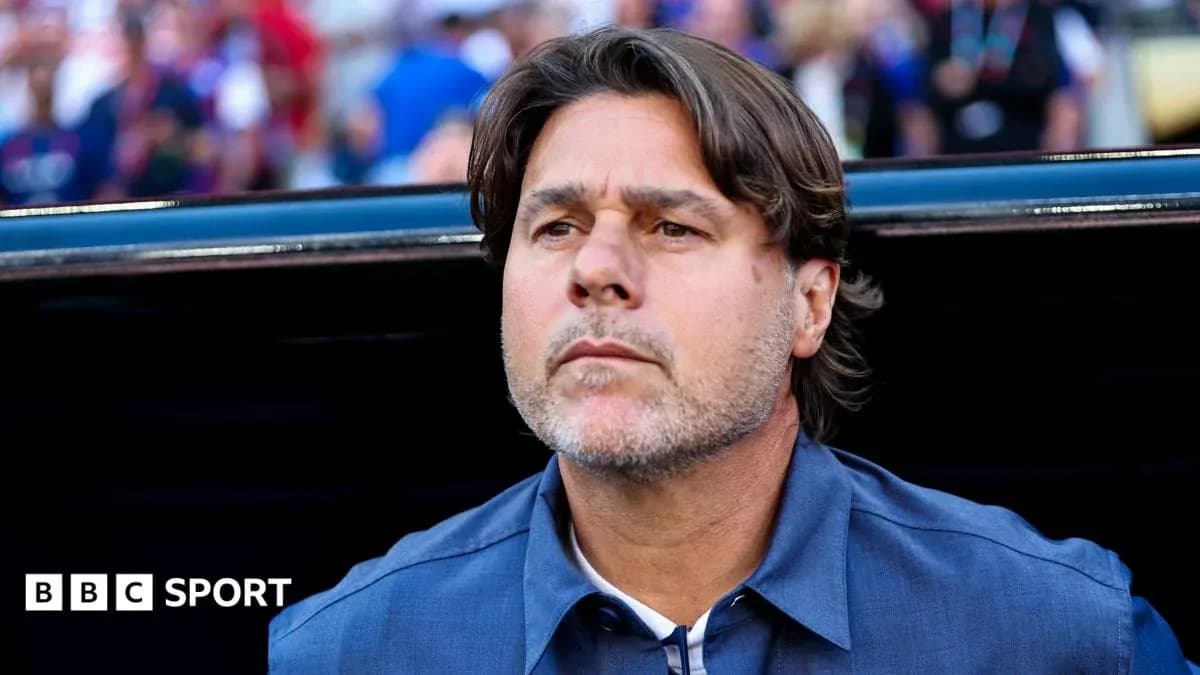
On the 40th anniversary of Sir Alex Ferguson walking into Old Trafford and changing the course of Manchester United’s history, Michael Carrick found himself fielding the inevitable question: can anyone ever do that again?
He smiled. Then he pushed the idea away.
The comparison, he knows, is absurd. Yet the ambition, he insists, is not.
Carrick under Ferguson’s shadow
Ferguson’s numbers still defy belief: 38 trophies in 26 years, 13 Premier League titles, two Champions Leagues, an empire built and rebuilt without losing its edge. Since he walked away in 2013, United have lurched from one reset to another, never truly convincing as contenders for either the league or Europe’s biggest prize.
Now, on the week the club marks four decades since Ferguson’s appointment, United are again staring down the barrel. Just as in 1986, they sit just above the relegation zone on goal difference. The symmetry is brutal.
Carrick, though, refused to treat Ferguson’s legacy as a weight that crushes. To him, it remains a standard to chase.
“What's not been said already?” he remarked when asked about his old manager. “It's something worth celebrating: 40 years this week since he came here. The impact and everything he drove at the football club during the time he was here are incredible. I'm probably closer to him now than I was when I was playing.”
That closeness has not softened his realism. The glory years are the target, but he knows the route.
“You've got to build, be realistic and put things in perspective,” he said. “It's not going to happen in the blink of an eye.”
A club in crisis, a coach demanding calm
The crisis narrative around United is familiar, but Carrick pushed back against the idea of a team lost at sea. The comeback win over Roma in midweek gave Old Trafford a taste of the old electricity, but he refused to let that night be framed as some grand turning point.
“It's up to us to take it forward; it was a fantastic night as a one-off night,” he said. “It was a good night for us all, but nothing has been achieved yet, and it's one moment we need to use to move forward.”
He had watched the Roma game back and was not blinded by the drama.
“When you watch the game back, the first half wasn't so bad. There were moments when we left ourselves short, and we need to fix them. The first half against Chelsea was very good. We're showing signs of improvement, no doubt, and we need to take that forward.”
That theme of controlled optimism ran through the entire press conference. No chest-thumping. No declarations of corner-turning.
“It's a positive reaction, it's not like all of a sudden we're getting carried away,” he said of the dressing room mood. “I know what the players are capable of. We just haven't proved it enough lately. The boys have trained really well, I'm not just saying that for the sake of saying it.”
The contrast with Ferguson’s early years was raised, specifically the patience he was afforded in a very different era. Carrick didn’t bite on any nostalgia.
“The game has changed. It evolves and that's how it is. We have to deal with what is front of us.”
Injuries bite again: Baleba blow and Dorgu wait
If Ferguson’s time was defined by relentless continuity, Carrick’s tenure so far has been stalked by disruption. The latest setback is a harsh one.
Carlos Baleba, who had already missed the start of the season with an ankle injury after his £70million move from Brighton, is out for several weeks with a hamstring problem. He was forced off just after half-time in the win over Roma, clutching his hamstring after a driving run into the penalty area.
“Carlos, we don't know, but it will be a number of weeks,” Carrick admitted.
For a midfield already short of rhythm and cohesion, losing such a powerful runner again is a significant blow.
On the left, there is at least a flicker of better news. Pat Dorgu has edged back onto the grass, but Carrick stressed caution.
“Pat has done a little bit of training, very small, we have to be patient with Pat.”
It was the sound of a manager who knows he cannot afford another long-term absentee.
Mainoo, Rashford and England’s closed door
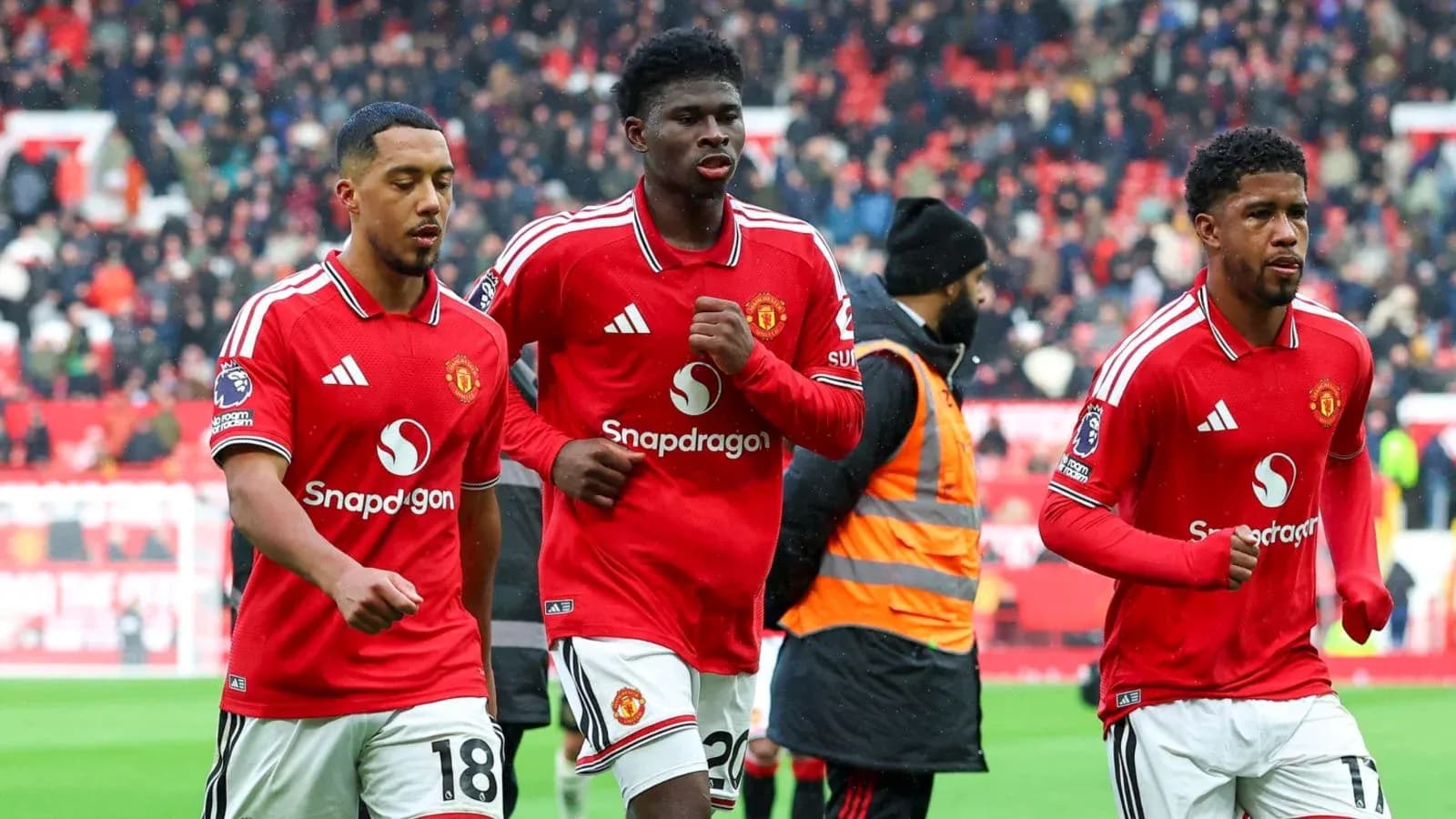
Away from club matters, international decisions also brushed across Carrick’s squad. Kobbie Mainoo and Marcus Rashford were both left out of the latest England squad, a call explained by Thomas Tuchel in the case of Mainoo.
“I think Kobbie had a difficult spell now with his team & missed a lot of matches,” Tuchel said. “In the meantime, it was Jobe who impressed. The door is always open. The door is always open for younger ones to overtake or to make their mark, so that's just a sign of the competition in central midfield.”
Mainoo missed four games with a minor injury before returning against Chelsea and then starting against Roma. Given that absence, his omission was hardly a shock. Rashford’s situation is similar: hip and thigh issues have disrupted his season, and he hasn’t been in an England squad since the trip to Leeds at Elland Road.
For Carrick, their focus now is not on Gareth Southgate, but on dragging United up the table.
Rashford, the fans and a different kind of scrutiny
Rashford’s name had already been in the headlines this week after leaked audio emerged from a Q&A with supporters before the Roma game. He had spoken in the Ambassadors' Lounge at Old Trafford, addressing fans who had paid for a premium hospitality package worth around £2,500, which includes seats one row behind the dugout, a meet-and-greet, a five-course menu, behind-the-scenes access and a live Q&A.
It is the modern United in microcosm: a club wrestling with results on the pitch while selling luxury experiences off it. Rashford’s words were pored over, his every inflection analysed. Carrick, by contrast, kept his public messaging tight and controlled.
Solskjaer, loyalty and the inner circle
Carrick also found himself asked about another man who has lived the United rollercoaster: Ole Gunnar Solskjaer. An interview given by the Norwegian has stirred debate, but Carrick refused to be drawn into any controversy.
“I've not seen it (Solskjaer interview), so it's difficult to respond,” he said. “I don't think there are too many people who actually know me, really. Ole is one of them.”
The respect between the pair remains obvious.
“We’re friends and we're still in contact now. I saw him not long ago in pre-season.”
It was a reminder that behind the churn of managers and narratives, a tight inner circle of ex-players still feels the club’s bruises as their own.
Tactical questions that won’t go away
Not every talking point this week has been flattering. United’s defending for Roma’s opener on Tuesday drew sharp criticism, particularly the shape that left Diogo Dalot sprinting back from the left wing as the visitors switched play.
Kobbie Mainoo was robbed in midfield, Roma quickly moved the ball wide, and a simple pass sailed over Ayden Heaven to Matias Soule, who had the time and space to pick his spot. The moment fed into a wider debate over Carrick’s use of his full-backs and the risk-reward balance of his system.
Those tactical questions will not disappear with one comeback win. They will follow him into the weekend.
Villa on the horizon, standards in the distance
Aston Villa await next, another test of whether the Roma fightback was an emotional spike or the start of something sturdier. Carrick knows that every performance will be measured, explicitly or not, against the golden age that began 40 years ago this week.
He cannot replicate Ferguson. Nobody can. What he can do is insist that the idea of United competing at that level again is not some fairy tale from another era, but a target to be built towards, brick by brick.
The patience Ferguson once enjoyed no longer exists in the same way. The expectations he created certainly do.
Carrick has chosen to live with those expectations rather than run from them. Now comes the hard part: proving, week after week, that the belief he talks about is more than just words.