Euskal Selekzioa: Sancet's Historic Debut in Basque Football
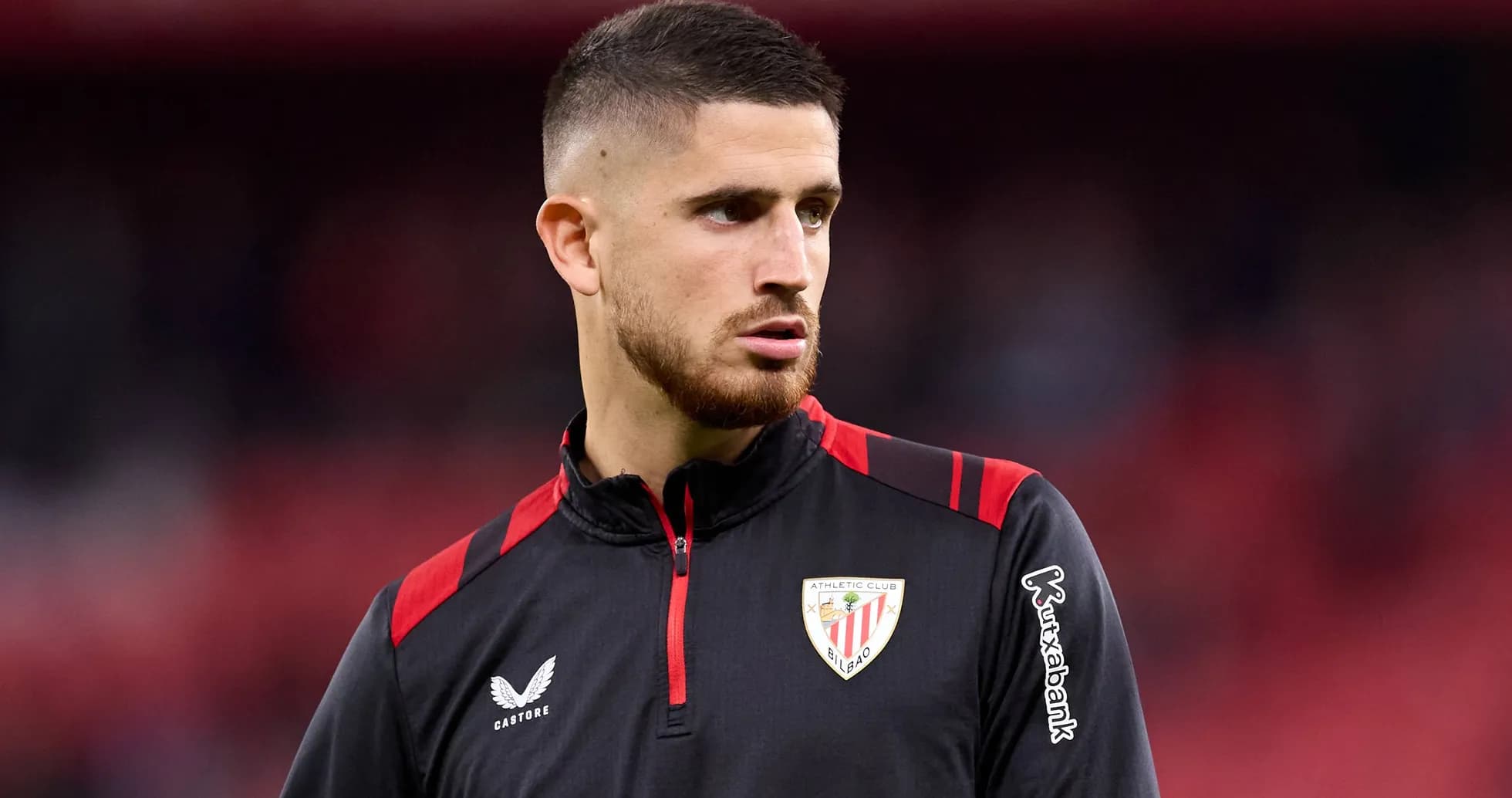
Oihan Sancet stands tall in Lezama, the late autumn light catching the red and white of his training kit, and speaks about a national team that does not yet officially exist.
Not in FIFA’s eyes, at least.
The Athletic Club midfielder, already a full Spain international, wants the Basque national side, Euskal Selekzioa, to one day walk out at a World Cup. On Saturday, he will pull on their shirt for the first time, in a showcase friendly against Venezuela at San Mames that carries far more emotional weight than a typical exhibition game.
A camp with history at its back
Jagoba Arrasate gathered his squad on Thursday at Lezama for a short, sharp two‑day camp. The timing and the venue are not accidental. Saturday’s match coincides with the 90th anniversary of the first Basque Government, and the setting – the cathedral of San Mames – underlines the symbolism.
The build‑up has not been entirely smooth. Aitor Fernandez, Dani Vivian and Hugo Rincon were forced to withdraw with fitness issues, prompting late call‑ups for Unai Marrero, Andoni Gorosabel and Benat Prados, along with defender Igor Zubeldia. The changes did little to dim the mood. This is a squad that knows it is on show, not just to a packed stadium, but to a region that has long pushed for official recognition on the international stage.
The Basque Football Federation has recently renewed that push, reapplying to Spain’s National Sports Council for formal status. Surfing and Basque pelota have already opened the door, with the region competing and winning world titles in Jai Alai and doubles hand pelota. Football now wants its turn.
Sancet’s choice of heart
Sancet has already felt the rush of scoring for Spain, finding the net on his senior debut in a Euro 2024 qualifier against Scotland. That did not stop him from nailing his colours firmly to the Basque mast this week.
“It is a source of pride to play for the team you love, and hopefully it will happen and we can one day play in a World Cup with our country's national team,” he told reporters at Lezama.
For a Navarre‑born playmaker, formed and polished at Athletic, the message is clear. This is not a casual call‑up. It is a declaration.
His own form and fitness have been under scrutiny. A muscular problem cost him four matches with Athletic, but he brushed away any lingering doubts, insisting he is “fully recovered” and that facing Venezuela “will help me get back up to speed.” The match, then, becomes both a personal relaunch and a political statement.
Sancet does not see a romantic one‑off. He sees a team capable of competing.
“We have a great team and a lot can be achieved,” he said, pointing to the depth of quality scattered across La Liga and beyond, all tied to the same flag and anthem, even if not yet to the same official status.
Arrasate’s belief in a bigger stage
On the touchline, Jagoba Arrasate carries his own history into this fight. The Osasuna coach has lived the battle for recognition in other sports, watching friends from Berriatua travel to Argentina and Uruguay to compete in Basque pelota World Championships.
He remembers the pride when they came back as world champions.
“I experienced the pelota situation first-hand with people from Berriatua who travelled to Argentina and Uruguay, and I am proud of what they achieved,” he said. “Every sport has its nuances and there will undoubtedly be competing interests, but the first step is genuine determination, and I believe we have that.”
The determination is not abstract. Last year’s match against Palestine drew 51,000 fans, a number that still reverberates around San Mames. Arrasate knows what that means for Saturday.
“The bar is set very high, but we are full of enthusiasm,” he admitted. Then came the line that sums up the mood in camp: “When the players pull on this shirt, they give everything they have. I see a spark in their eyes, an eagerness to perform well, and why not win again? We have the quality to compete against top national sides, and Saturday is a great stage to show that.”
This is where the push for recognition meets the reality of football. Beat strong opposition, show you can live with established national teams, and the argument for a place at the top table grows louder.
Rituals, roses and a rotating XI
The final preparations carry a distinctly Basque flavour. On Friday morning, the squad will train in an open session at Saint‑Jean‑de‑Luz, offering supporters a close look before the serious work begins. From there, they will visit the grave of Jose Antonio Aguirre, the first Basque president, to lay flowers.
It is a gesture loaded with meaning. A team without official status paying tribute to a head of government whose legacy still frames the region’s political identity.
Arrasate has already mapped out his plan for the evening at San Mames. He intends to field two different line‑ups so every player gets minutes against Venezuela. No one is there to make up the numbers. Each cap matters when you are building something that does not yet fully exist.
Once the final whistle goes, the players will scatter back to their clubs, their domestic seasons waiting for them. But before they leave, in front of their own people, they have a chance to offer a glimpse of a future in which Euskal Selekzioa walks out not just for anniversary friendlies, but under the lights of a World Cup.
If that day ever comes, they will look back on nights like this and say: it started here.