Chamari Athapaththu's Future in Sri Lanka Cricket: A New Chapter
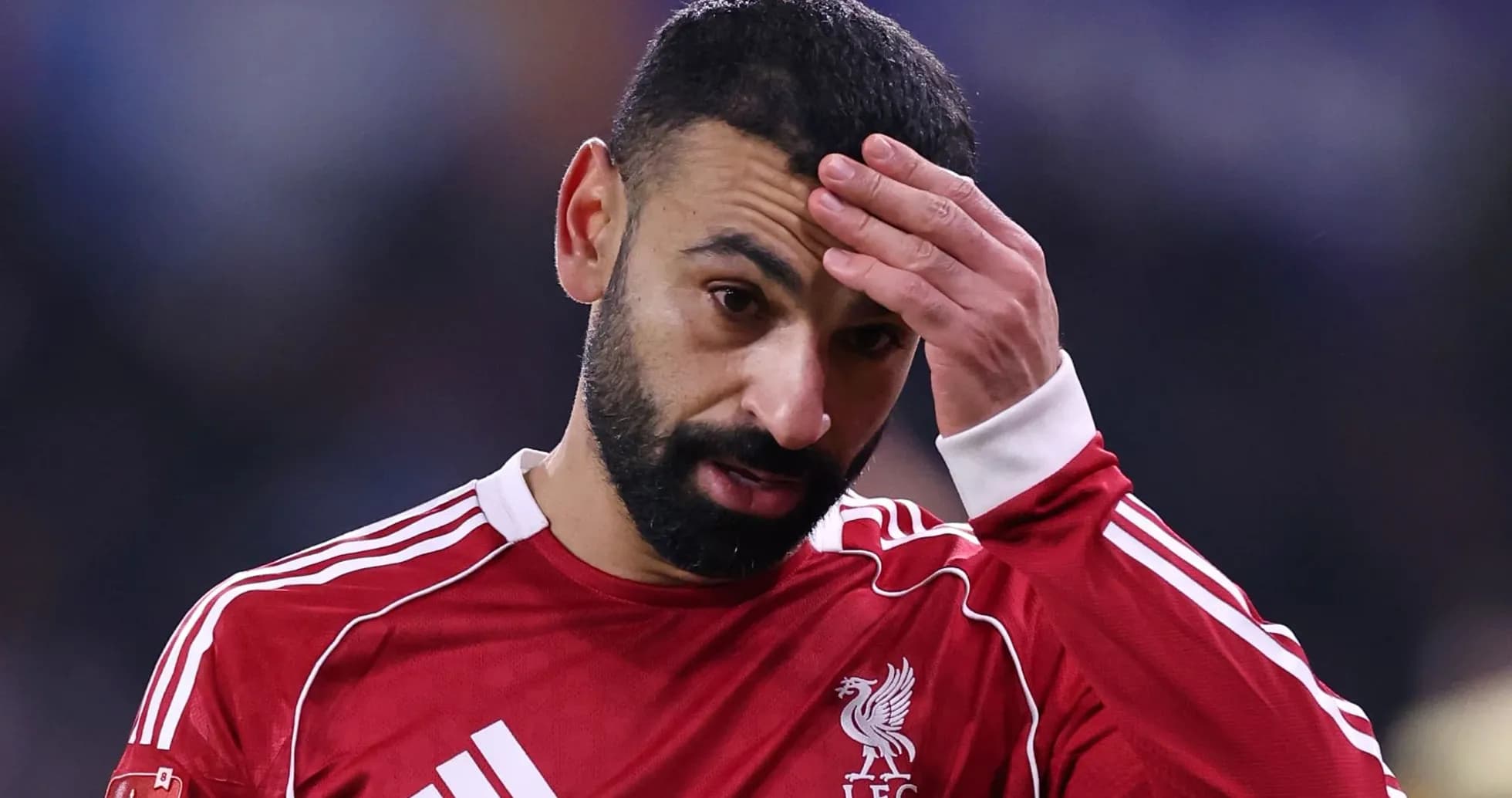
Chamari Athapaththu isn’t done yet. Not even close.
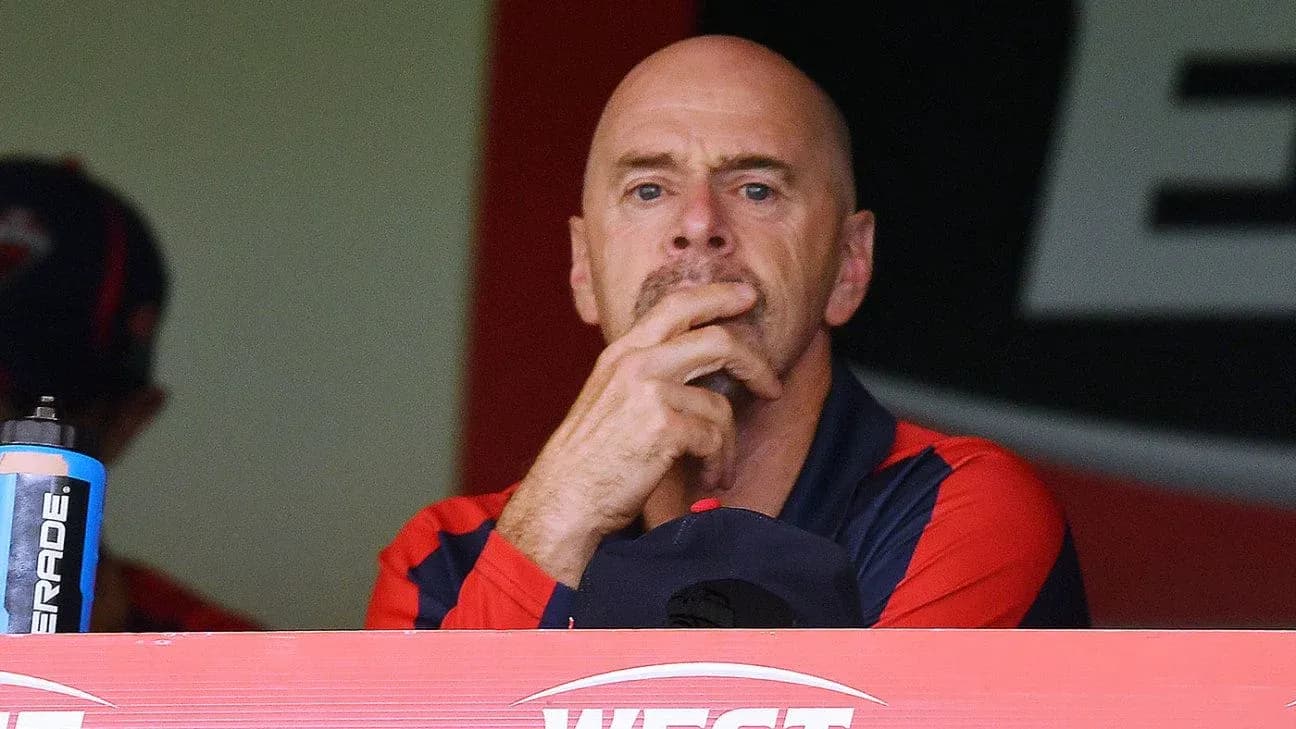
Sri Lanka’s captain, now 36 and in her 16th year of international cricket, has no intention of walking away, according to new head coach Jamie Siddons. For a team still built around her firepower and presence, that is no small relief.
Athapaththu’s next chapter
Her future has hovered over Sri Lanka’s women’s side for months, especially with the 2025 ODI World Cup in India framed as a natural endpoint. Instead, Siddons has thrown that assumption out.
“Chamari, I've had a great chat with her. She is keen to play for a lot longer than one or two more years,” he said, making it clear that the captain’s ambitions stretch beyond the next global event and into the following T20 cycle.
The caveat is simple: fitness and work ethic. Maintain those, and Siddons sees no reason why Athapaththu cannot keep bullying international attacks.
If recent form is any guide, retirement talk looks premature. Athapaththu has just led Sri Lanka to ODI and T20I series wins over West Indies, and she has carried that dominance into training. “In the last two practice matches, she's dominated the games. She can keep going for a lot longer,” Siddons said. The message is blunt: the engine still runs hot.
Her commitment lands at a crucial moment. The Women’s T20 World Cup in England looms in June, and Sri Lanka are still heavily dependent on their captain’s runs, aura and aggression. Yet Siddons sees her longevity as more than a short-term boost; it buys time.
Building beyond the captain
Athapaththu remains the centrepiece, but her presence gives Siddons room to quietly shape what comes next.
“That's exactly why I'm here, I think,” he said when asked about life after Athapaththu. “To put together some plans where we can bring players in, teach them how the game is played.”
There is already a glimpse of that future. Siddons has quickly identified “two very exciting young fast bowlers who are as good as anyone going around. They'll be up for the fight.” With Athapaththu still leading from the front, those players can grow without the burden of immediately replacing a national icon.
This is not a gentle reset, though. In his first major address since taking over on March 16, Siddons laid down a clear mandate: Sri Lanka will not catch the world’s best by playing safe.
No more safety first
The Australian, who has worked with the men’s national side and across multiple World Cups, wants a harder edge and a bolder mindset.
“I'm an international cricket coach first and foremost,” he said when asked about the switch to the women’s game. His focus is on the “explosiveness required to win games – especially in T20s” and he is confident that will translate. Having worked with players such as Sophie Devine and Amelia Kerr, he knows the standard he is chasing.
The heart of his overhaul lies in the batting. Sri Lanka, he argues, cannot keep trying to out-scrap superior teams with nudges and scrambles.
“We win in singles and twos, but we don't score more boundaries than the opposition, and that's why we lose against the best teams,” Siddons said. “We can't be safe. Our aim is to hit the ball harder and find the gaps. We have the hitters at the top, but the middle overs are where we must improve.”
The shift is stark: less survival, more intent. Especially between overs 7 and 15, where Sri Lanka have too often stalled.
On the bowling front, Siddons wants variety and deception, not predictability. “We can't just turn up and bowl offspin, we need to have some different types of balls that we can bowl. Every fast bowler needs to have several slower balls so they can show those tricks, so the batters can't just line us up. The best teams in the world hit a lot of boundaries, we need to minimise those boundaries.”
Hit more fours. Concede fewer. It is a simple equation, but it demands a braver team.
Bangladesh first, England ahead
The new approach will be tested quickly. Sri Lanka head to Bangladesh for three ODIs and three T20Is, a tour that doubles as both proving ground and selection trial ahead of the T20 World Cup.
Then comes the steep climb: a World Cup opener against hosts England, followed by New Zealand and West Indies. No soft landings there.
Siddons is already planning for English conditions. He expects “flat wickets” that reward clean hitting and expose any fielding frailties. That only sharpens his focus on power and athleticism.
“We've got some great outfielders with throwing arms, and for those who don't, we have strategies on where they field to play their role,” he said. Every metre saved, every boundary cut off, feeds into the same philosophy.
One of Siddons’ early challenges sits off the field: language. Communication flows through his assistants, but he insists the message is getting through. The ideas are not complicated; the execution is.
“The girls have the talent; they just need the mindset. They are human beings, they can play just as good cricket as an Amelia Kerr. My job is to free them up, upskill them, and push them to be a bit braver.”
In that sense, Athapaththu’s decision to carry on is more than a personal choice. She becomes the living example of the standard he wants – fearless, attacking, uncompromising. If Sri Lanka are to stop merely surviving against the elite and start unsettling them, their captain’s extended stay at the top might be the spark that turns intent into habit.