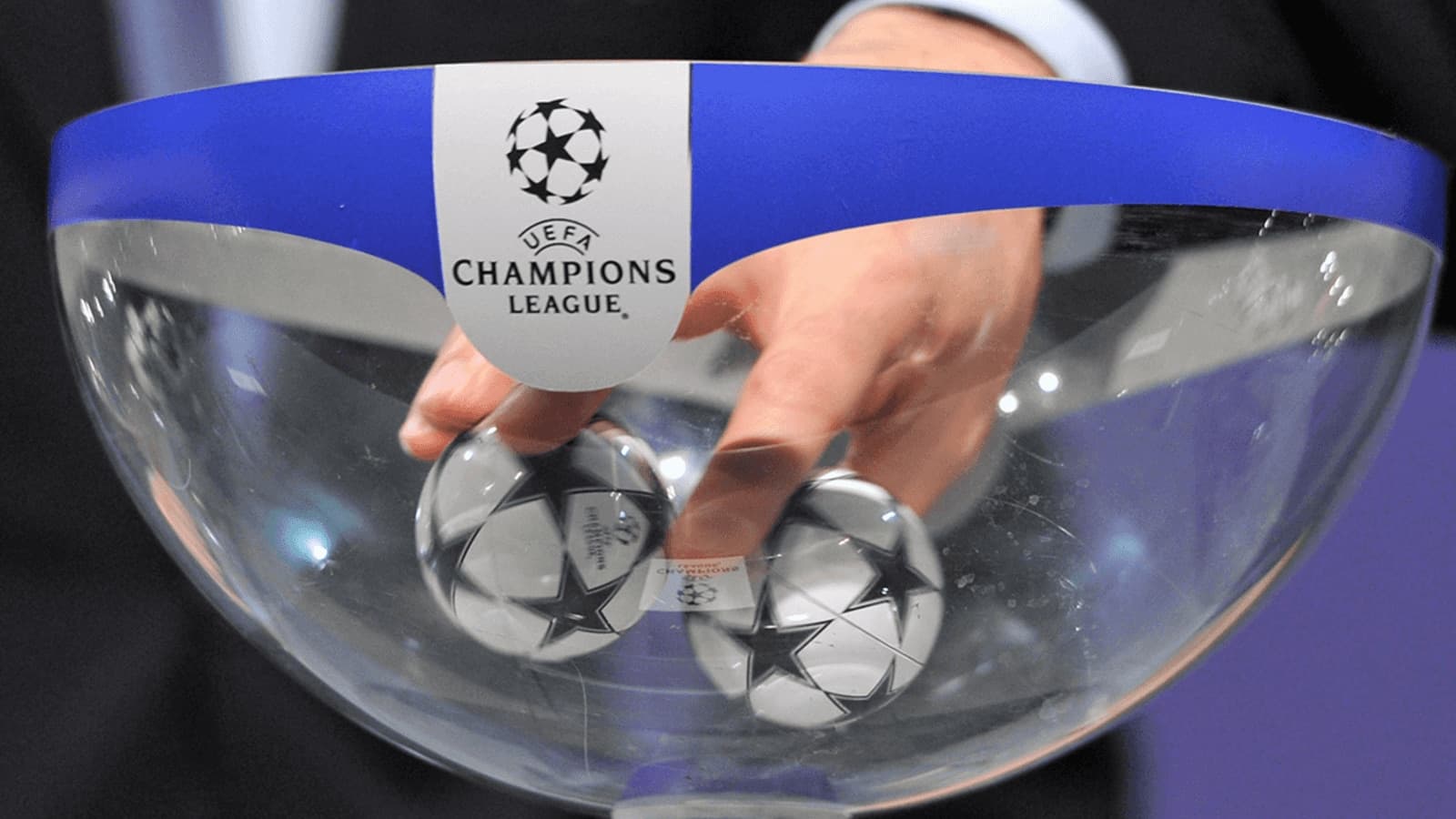
Champions League 2026/27: New Format and Key Dates
The scars from Budapest are still fresh. A penalty shoot-out defeat to Paris Saint-Germain in last season’s Champions League final will sit with this club for a long time. But it also hardens a team. And with a first Premier League title since 2004 now in the trophy cabinet, attention turns quickly – and unapologetically – to another crack at Europe.
This will be a fourth consecutive season at the top table. The landscape is already taking shape. Twenty-nine of the 36 places are booked, the new-look league phase is set, and the road to the Wanda Metropolitano in June 2027 is beginning to feel very real.
The new Champions League reality
The old group stage is gone. In its place, a league phase that has already begun to redefine what a European campaign looks like.
The 2025/26 season marked only the second year of this format: 36 teams instead of 32, a single league table instead of eight groups. That system stays in place for 2026/27. Each club will again play eight different opponents, four at home, four away. No return fixtures against the same side. No hiding places.
Every point matters. The top eight in that league go straight through to the knockout stage. Finish between ninth and 24th and the season doesn’t end – but the margin for error does. Those clubs will be thrown into two-legged play-offs for a place in the last 16, a high-stakes filter before the traditional knockouts begin.
Two extra league-phase slots are reserved for the associations whose clubs performed best in Europe the previous season. In 2024/25, that honour went to England and Spain, handing both the Premier League and La Liga an additional Champions League berth.
Within that system, one detail stands out. In 2025/26, this team topped the league phase and won all eight matches – the first side to post a perfect record since the format’s introduction. The standard has been set. Matching it will be brutally difficult. Falling short will feel like regression.
Who’s already in?
England and Spain lead the way in numbers.
The Premier League will send five clubs into next season’s Champions League: Liverpool, Manchester City, Manchester United and Aston Villa join the reigning champions of England in the league phase after finishing in the division’s top five.
La Liga mirrors that strength. Real Madrid, Barcelona, Atletico Madrid, Villarreal and Real Betis all qualify via their domestic finishes, giving Spain five contenders of its own.
Italy and Germany each send four. From Serie A, Napoli, Inter Milan, AS Roma and Como step onto the European stage. From the Bundesliga, Bayern Munich, Borussia Dortmund, RB Leipzig and Stuttgart take their familiar places.
France offers three sides. Defending European champions Paris Saint-Germain return, joined by Lens and Lille. The Netherlands contributes two: Eredivisie winners PSV and runners-up Feyenoord.
Portugal’s flag will be carried by Porto and Sporting Lisbon. Galatasaray arrive as champions of Turkiye, Slavia Prague represent Czechia, Shakhtar fly the flag for Ukraine, and Club Brugge come through as Belgium’s title winners. All of them secured their spots early by winning their domestic leagues.
Seven more places will be decided through the qualifying rounds. Five of those will emerge from the ‘champions path’, a route reserved for domestic title winners from 42 different nations. The remaining two come from clubs finishing second, third or fourth in their leagues. The qualifiers close on August 26, with the league phase draw following a day later.
Pot talk and possible opponents
The draw, as ever, comes with rules and intrigue.
Premier League clubs cannot face each other in the league phase. That removes Liverpool, Manchester City, Manchester United and Aston Villa from the list of possible early opponents. Chelsea, Newcastle United and Tottenham are also protected at this stage under the same restriction, meaning there will be no all-English clashes until the knockouts.
UEFA’s club coefficient rankings divide the 36 teams into four pots. Those pots are not about geography or glamour – they’re about sustained European performance. And once again, this team sits at the top table.
Pot 1 is already stacked: Paris Saint-Germain, Bayern Munich, Real Madrid, Liverpool, Inter Milan, Manchester City, Barcelona and Atletico Madrid all join the Premier League champions there. These sides cannot face each other in the league phase.
Pot 2 is hardly forgiving. Borussia Dortmund, AS Roma, Sporting CP, Porto, Club Brugge, Real Betis, PSV Eindhoven, Aston Villa and Manchester United make up a group packed with awkward away trips and hostile atmospheres.
Pot 3 features Feyenoord, Lille, Napoli, RB Leipzig, Villarreal, Shakhtar Donetsk and Galatasaray. None of them carry the aura of Madrid or Bayern, but all of them can wreck a campaign if taken lightly.
Pot 4 currently includes Como and Lens. Slavia Prague, Stuttgart and the seven remaining qualifiers will be dropped into either pot 3 or pot 4 once the final coefficients and qualifiers are confirmed on August 26.
The rules are simple, and ruthless. Two opponents will be drawn from each pot – one home, one away. No more than two opponents can come from the same country. The result is a schedule that can swing from glamour tie to potential banana skin in the space of a fortnight.
Dates that will shape a season
The Champions League draw lands on Thursday, August 27, 2026. Eight fixtures will fall into place, and with them the backbone of the season.
The league phase plays out over eight matchdays:
- September 8–10
- October 13–14
- October 20–21
- November 3–4
- November 24–25
- December 8–9
- January 19–20
- January 27
By the end of January, the table will be set. The top eight will breathe a little easier. The clubs between ninth and 24th will brace for the play-offs, with the draw for those knockout ties scheduled for January 29, 2027. The two legs will be played on February 16–17 and February 23–24.
Then comes the real cut-throat stretch. The draw for the round of 16, quarter-finals, semi-finals and the final will be held on February 26, 2026, setting out the potential road to Madrid.
The calendar from there is relentless:
- Round of 16: March 9–10 and March 16–17
- Quarter-finals: April 6–7 and April 13–14
- Semi-finals: April 27–28 and May 4–5
- Final: Saturday, June 5, 2027, at the Wanda Metropolitano in Madrid
Budapest provided heartbreak. Madrid offers a new target, a new stage, and a sharper edge. The question now is simple: having climbed back to the summit of English football, can this side turn domestic dominance into European vindication when the draw finally reveals their path?