Chelsea's Final Home Game: Colwill's Comeback and Key Decisions
The turnaround is brutal. Forty-eight hours after the emotional drain of an FA Cup final defeat to Manchester City at Wembley, Chelsea are back under the lights at Stamford Bridge for their final Premier League home game, with relegation-threatened Spurs arriving desperate and dangerous.
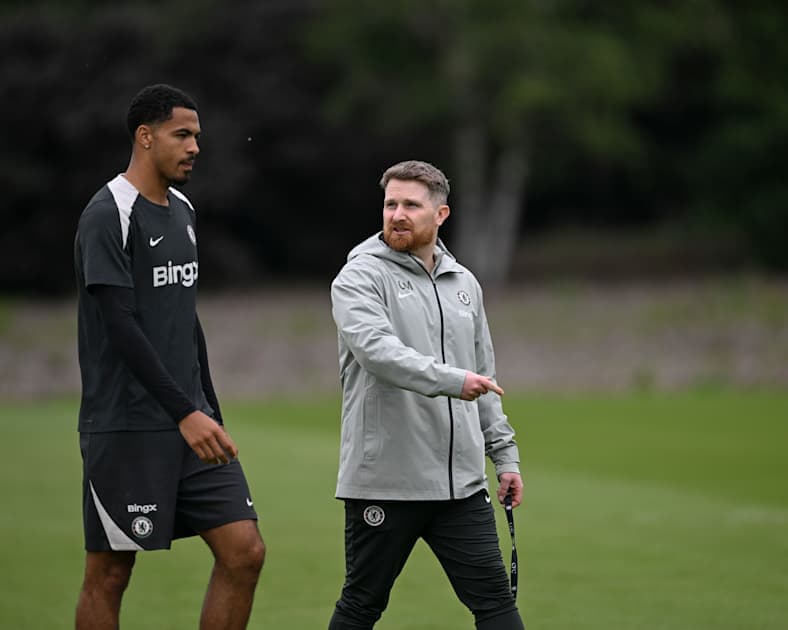
For Mark McFarlane, the interim head coach still processing Saturday’s heartbreak, the focus is already on bodies, minutes and risk. The biggest call of all may concern one of Chelsea’s brightest stories of the run-in.
Colwill’s comeback under the microscope
Levi Colwill has spent nine months staring at pitches rather than playing on them. A serious knee ligament injury stalled his momentum and raised the usual questions about what comes next for a young defender on the brink of the England squad.
His answer has been emphatic.
Back-to-back starts against Liverpool and Manchester City. Ninety minutes in both. Composed at Anfield, defiant under the arch at Wembley. Colwill has not eased himself in; he has dived straight into the deep end and swum.
McFarlane, though, knows the danger of pushing too hard, too soon.
“We need to be careful with Levi,” he said, acknowledging the balancing act. Colwill’s level in those two games has thrilled Chelsea and delighted England, but the medical history is written in bold. Every extra sprint, every extra duel, is a calculated decision now.
The coaching staff will assess him again at Cobham before committing. How does he feel? How has he reported after going the distance twice in such intense fixtures? Only then will McFarlane decide if his 23-year-old centre-back can go again in a match that might define Tottenham’s season and sharpen Chelsea’s sense of what this squad could become.
The admiration is clear. McFarlane talks about “a really talented, really high-potential player” who has shown “mental strength and character” to perform away at Anfield and in an FA Cup final so soon after a long lay-off. Around the club, there is a quiet conviction: if they manage him right now, they may not have to worry about that position for a decade.
For Colwill, two outstanding games have already changed the tone of his season. A strong finish would change the tone of his future.
Recovery, then decisions
The schedule has offered Chelsea no kindness. The players were back at Cobham on Sunday, less than 24 hours after Wembley, for recovery work. No time to dwell on missed chances or what-ifs. Ice baths, light sessions, and the slow unwinding of legs that had chased City shadows.
Today, the intensity goes up. The squad will move from recovery to preparation, from loosening muscles to sharpening minds for Tottenham’s visit. Only then will McFarlane and his staff have a clear picture of who is truly ready.
“They’re going to train this afternoon and then we’ll have a much better idea of where they are,” he said. Saturday’s final was draining, physically and emotionally. The staff will look at how players have reported in, how they move, how they respond to the ball zipping across the grass. Any final calls on the match-day squad will be left as late as possible.
Chelsea know this is not just another league game. It is the last outing in front of their own supporters this season, against a rival fighting for survival. The mood, the noise, the reaction to Wembley – all of it will be shaped by who can go again and who has to watch from the bench or the stands.
Lavia, Badiashile and Sarr: fine margins
Among those under the microscope are three players who did not make the squad for the cup final: Benoit Badiashile, Mamadou Sarr and Romeo Lavia.
Lavia’s case is the most delicate. The midfielder took a slight knock in the build-up to the game at Wembley. On paper, nothing major. In reality, with his injury history, more than enough to trigger caution.
With Lavia, Chelsea are playing the long game. McFarlane made it clear they were not prepared to roll the dice, even for a final. The 20-year-old has impressed when he has played, offering control and intelligence in midfield, a calmness that echoes Colwill’s at the back. But the club has already seen what happens when you rush a player whose body is still catching up with his talent.
The message is consistent: protect him now to unleash him later.
Badiashile and Sarr, by contrast, are fit and training hard. Their absence from the Wembley squad was about numbers and balance, not setbacks. Chelsea are well stocked in their positions, and when a bench can only hold so many defenders, someone has to miss out.
“They didn’t make the squad,” McFarlane said, stressing there was “nothing to report” in terms of injuries. Both could yet feature in the final two games of the season if the tactical plan or the fitness of others opens a door.
For players in that bracket, these last days matter. One appearance, one assured performance, can influence how a new head coach views them in pre-season. One more omission can nudge them towards the exit. Every session at Cobham this week carries a little more weight.
A final home test with edge
So Chelsea walk into their last home game of the league campaign with bruised legs, a bruised mood, and a squad that must be handled with care. They also walk in with something else: a sense that, in Colwill, Lavia and others, a core is forming.
Spurs arrive fighting for their lives. Chelsea arrive fighting to show there is more to this group than near misses and what-might-have-beens.
McFarlane’s choices over the next 24 hours – how far to push Colwill, when to trust Lavia again, whether to reward Badiashile and Sarr – will say plenty about how Chelsea intend to close this season.
Do they lean on the players who have just come through the fire at Anfield and Wembley? Or do they protect them now to make sure they are still standing when the next campaign starts?