Colorado Springs Defeats El Paso Locomotive 2–1 in Group Stage Clash
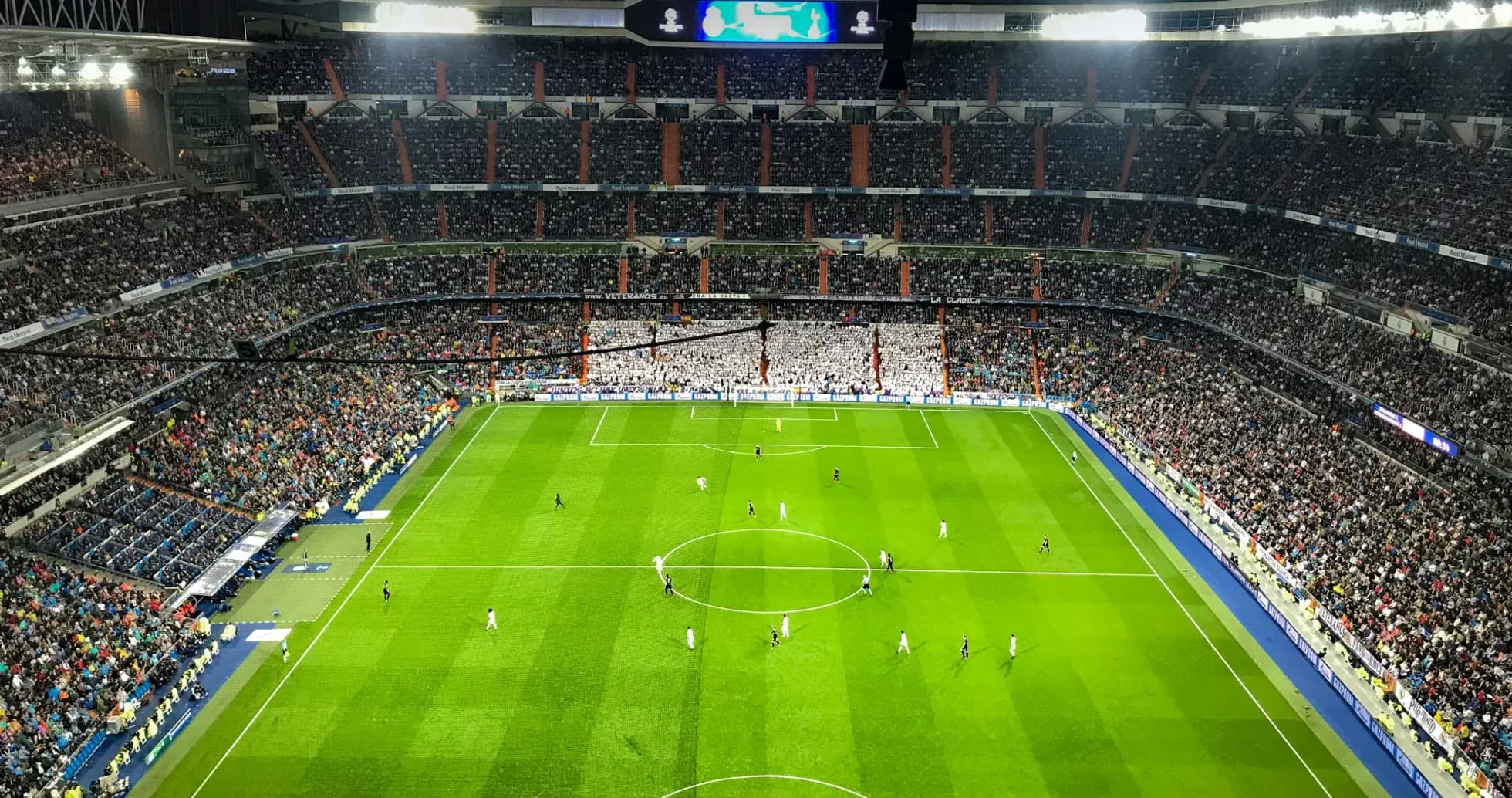
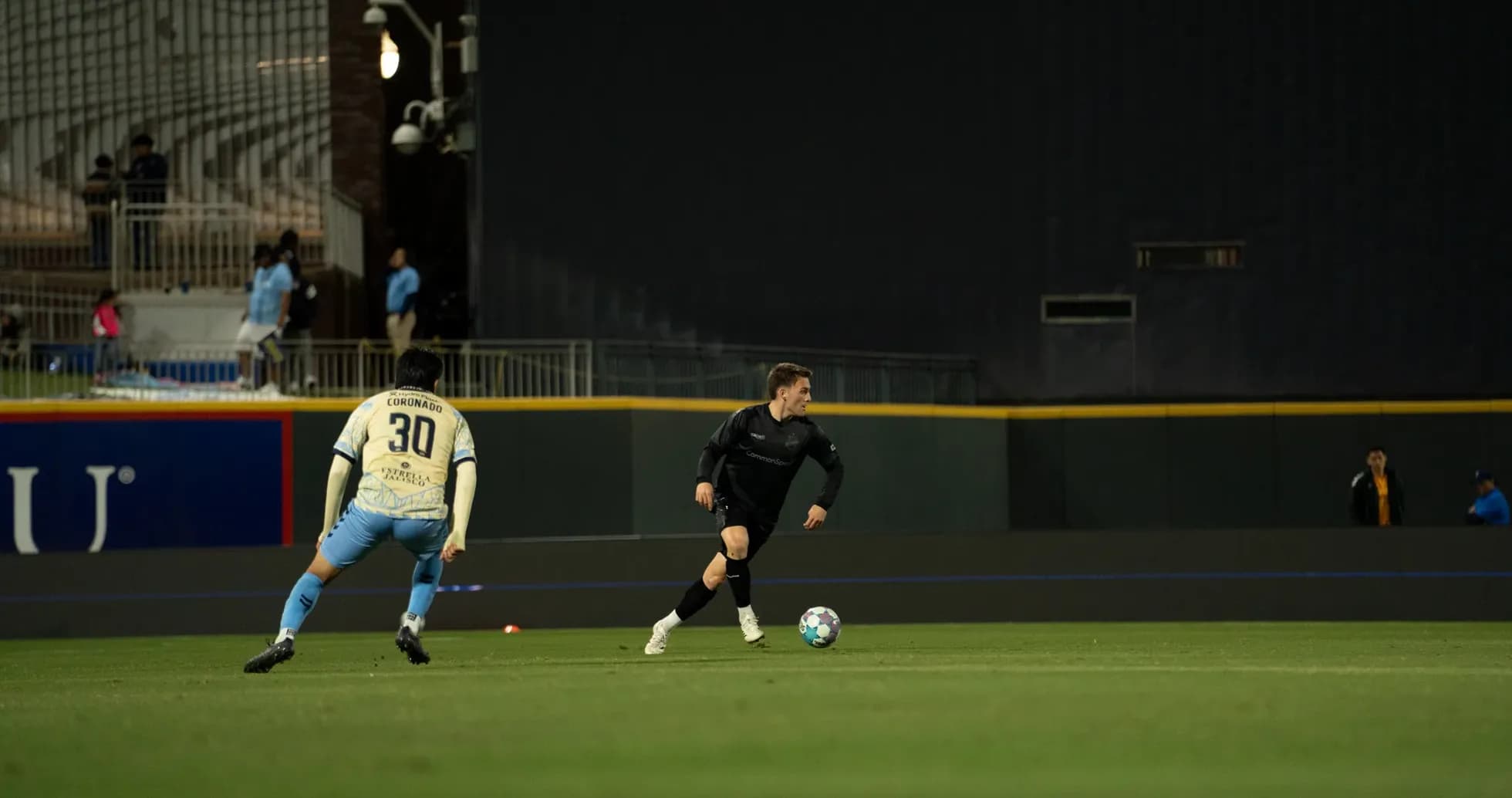
Under the lights at Weidner Field, Colorado Springs and El Paso Locomotive met in a Group Stage clash that felt far closer to a knockout tie than a routine cup date. By the time the whistle confirmed a 2–1 home win, the contours of Group 2 had hardened: Colorado Springs sitting as group leaders on 9 points with a total goal difference of +6 (7 goals for, 1 against), El Paso chasing on 6 points with a total goal difference of +2 (5 goals for, 3 against). Following this result, the league table simply underlined what the 90 minutes had already suggested: this Colorado side are setting the standard, and El Paso are one of the few with the tools to chase them.
I. The Big Picture – Two Identities, One Tight Scoreline
Colorado Springs came into the night with a perfect record: 3 wins from 3, an all-venues average of 2.3 goals scored per game and just 0.3 conceded. At home, the profile is even more imposing: 2 games, 2 wins, 6 goals scored and only 1 conceded, an attacking average at home of 3.0 goals against 0.5 allowed. El Paso arrived with a more balanced but still threatening profile: 2 wins and 1 loss in total, scoring 5 and conceding 3. On their travels they had split their results – 1 away win and 1 away defeat – with 3 goals scored and 3 conceded, an away average of 1.5 goals both for and against.
The 2–1 final scoreline fits those season-long patterns neatly. Colorado Springs again found multiple routes to goal while maintaining a narrow defensive margin; El Paso again showed they can score and compete away, but their defensive line on their travels remains just porous enough to tilt fine margins against them.
II. Tactical Voids and Discipline – Managing the Edges
There was no explicit list of absentees, so both coaches, Alan McCann for Colorado Springs and Junior Gonzalez for El Paso Locomotive, appeared to lean on their core groups. The real “voids” in this contest were tactical: how each side would handle game-state pressure, and how they would manage the disciplinary line in what was always likely to be a tense group decider.
Season-long card data paints Colorado Springs as a side that grows more combative the longer games go. Their yellow-card distribution shows a clear late-game surge: 22.22% of their yellows between 61–75 minutes, another 22.22% between 76–90, and a striking 33.33% between 91–105. They rarely lose control early, but as the clock ticks, they are willing to live on the edge to protect leads or chase results.
El Paso’s profile is different but equally sharp-edged. Half of their yellows (50.00%) arrive between 31–45 minutes, another 16.67% in the 61–75 band, and 33.33% in the 91–105 window. More telling is their red-card pattern: 100.00% of their reds so far have come between 16–30 minutes. They are vulnerable to emotional spikes early in games, a trait that can flip a tactical plan on its head before it settles.
In a tight 2–1, those trends matter. Colorado Springs’ willingness to foul and disrupt late likely helped them close the game down. El Paso, by contrast, needed to avoid that early self-destruction that their season data hints at; any red in that 16–30 window at Weidner Field would have been fatal against a home side with such ruthless attacking averages.
III. Key Matchups – Hunters, Shields, and the Engine Room
Without explicit goals and assists by player, the “Hunter vs Shield” battle is best understood through unit profiles. Colorado Springs’ attacking trident of Y. Hanya, S. Masereka, and J. Tejada is built for verticality and constant pressure. At home, this side averages 3.0 goals, and the presence of creative links like F. Daroma and T. Magee between the lines gives them multiple angles of entry into the box.
Opposite them, El Paso’s defensive shield revolved around Tony Alfaro and K. Twumasi, with A. Quezada and R. Ruiz providing width and recovery. On their travels, El Paso concede an average of 1.5 goals; the 2 conceded here sit slightly above that away average, a sign that Colorado’s movement and tempo were a notch above what El Paso have previously faced in this competition.
In the “Engine Room”, the duel between Colorado’s S. Williams and A. Rocha against El Paso’s E. Calvillo, D. Gomez, and Gabriel Torres shaped the rhythm. Colorado Springs’ season-long defensive record – just 1 goal conceded in total across 3 matches – is not just about their back line; it is about the collective pressing and screening from that midfield block. El Paso’s midfield, built more for progression and combination play, needed to pierce that screen quickly to feed A. Moreno and R. Rubin. The fact that El Paso managed only 1 goal in this contest, aligning exactly with Colorado’s total average of 0.3 goals conceded per game being nudged up by a single strike, suggests that Colorado’s midfield shield largely won the territorial war.
IV. Statistical Prognosis – Why 2–1 Felt Inevitable
Even without explicit xG numbers, the season profiles point toward a narrow but deserved home win. Heading into this game, Colorado Springs were averaging 2.3 goals scored and 0.3 conceded in total, with a home profile of 3.0 for and 0.5 against. El Paso, on the other hand, carried a total attacking average of 1.7 goals and a defensive average of 1.0 conceded, with their away figures locked at 1.5 both for and against.
Overlay those curves and a likely xG storyline emerges: Colorado Springs generating the higher-quality chances, especially in waves at home, and El Paso carrying enough attacking threat to register but not dominate. A 2–1 scoreline sits almost exactly at the intersection of Colorado’s home attacking power and El Paso’s away defensive fragility.
Colorado’s clean-sheet record – 2 in 3 matches – was always likely to be tested by an El Paso side that has failed to score in 0 matches so far. That they conceded once but still controlled the result speaks to a defensive structure that bends but rarely breaks. With no penalties taken or missed by either side this campaign (both teams showing 0 total penalties, 0 scored, 0 missed), there was no set-piece lottery to distort the underlying balance.
Following this result, the narrative is clear. Colorado Springs remain the group’s benchmark: a side whose numbers and on-pitch control are perfectly aligned. El Paso Locomotive leave Weidner Field beaten but not broken, their total goal difference still positive, their attacking averages still competitive. Yet the lesson from this 2–1 is stark: against the best in this competition, their margins – especially on their travels – are too thin to survive 90 minutes without near-perfect defensive execution.