Lexington vs Indy Eleven: A Tactical Showdown in the USL League One Cup
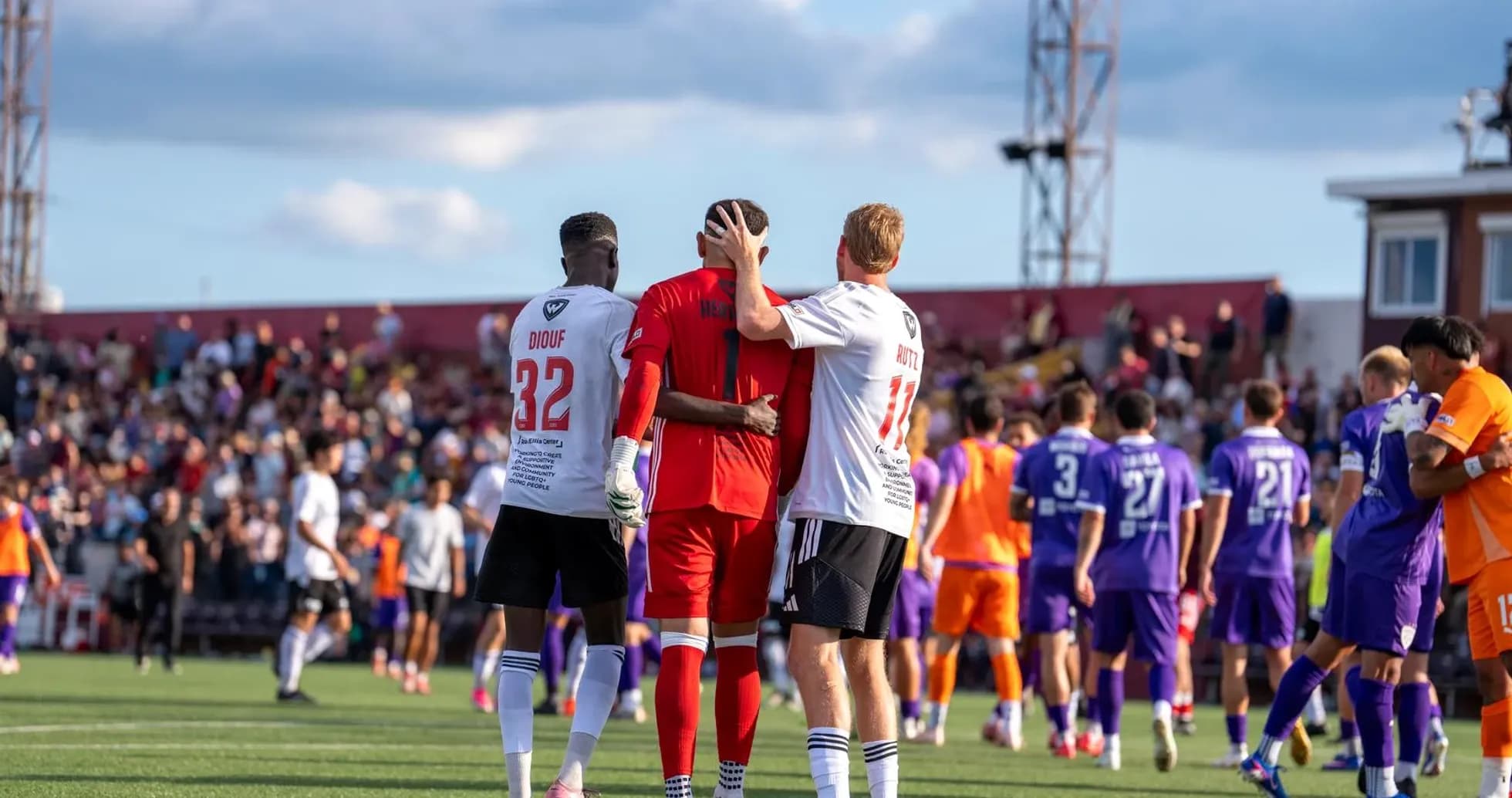
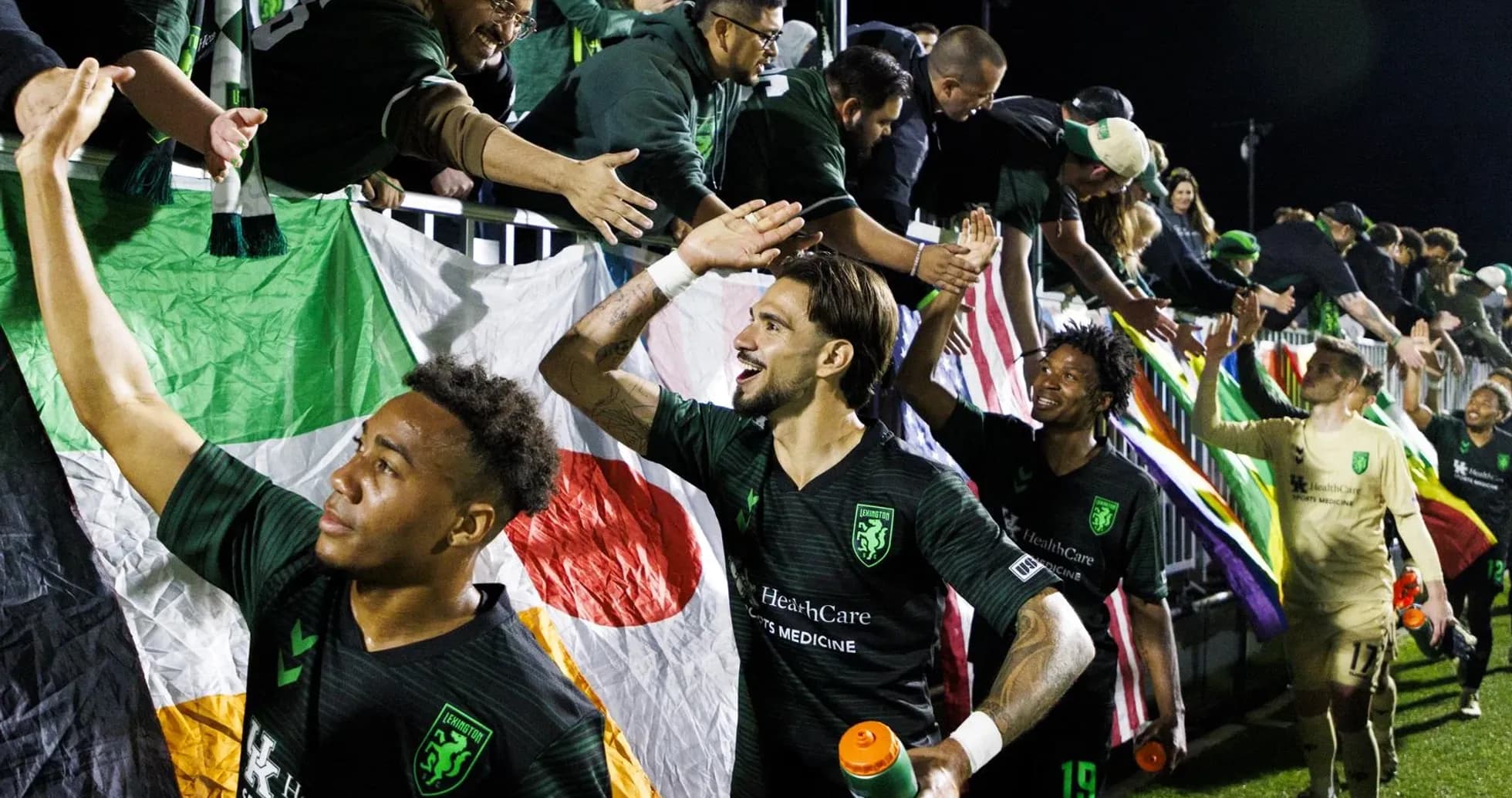
Toyota Stadium under the lights, a group-stage tie in the USL League One Cup that refused to find a goal over 120 minutes, and a penalty shootout that finally tilted 7–6 in favor of Indy Eleven. Following this result, Lexington and Indy walk away with very different emotions, but the underlying tactical stories of their squads remain rich and revealing.
I. The Big Picture: Two Cup Identities Collide
Heading into this game, Lexington had carved out an assertive attacking identity in the competition. Overall they had scored 6 goals in 3 fixtures, with a total average of 2.0 goals per match. At home they were equally productive, averaging 2.0 goals with 4 goals scored in 2 fixtures at their own ground, though they were conceding 1.5 on average at home. Their league table snapshot in Group 4 showed a side near the top end: 5 points, a total goal difference of +4 (8 goals for, 4 against) across all group fixtures, and a “WW” form line that suggested momentum.
Indy Eleven arrived with a slightly different profile: more balanced, more pragmatic, but still dangerous. Overall they had 7 goals in 4 matches, with a total scoring average of 1.8, while conceding only 1.0 on average both at home and on their travels. In the group standings they also held 5 points, with a total goal difference of +3 (8 scored, 5 conceded), their “WWL” form underlining both their threat and their vulnerability.
That both teams then played out a 0–0 across normal and extra time was less a contradiction and more a testament to how their strengths cancelled out under knockout pressure.
II. Tactical Voids and Discipline: Where the Edges Were Blunted
No explicit absences are listed, so both coaches, Masaki Hemmi for Lexington and Sean McAuley for Indy Eleven, appeared to have their core groups available. Instead, the “voids” in this match were more about roles than missing names.
For Lexington, the starting XI carried a clear spine. O. Semmle in goal, with a defensive core including A. Ordonez and J. Brown, was tasked with stabilizing a team whose home defensive average of 1.5 goals conceded suggested a certain looseness. J. Greene and X. Zengue added width and recovery legs, but the risk-reward balance that had helped them to an overall average of 2.0 goals for and 1.3 against needed to be recalibrated for a knockout shootout environment.
In midfield, A. Molloy and B. Ferri offered the connective tissue, while M. Adedokun and Nick Firmino were asked to stitch creativity between lines. M. Epps and B. P. Rodrigues formed the attacking edge, a unit that had delivered a total of 6 goals so far but also carried the burden of a team that had failed to score once already this campaign and had yet to keep a clean sheet before this fixture.
Discipline has been a double-edged sword for Lexington. Their yellow card profile shows a fairly even spread but with peaks at 31–45' and 46–60', each carrying 22.22% of their total cautions, and another 22.22% between 76–90'. That pattern points to emotional spikes either side of half-time and again in the closing stages — moments where tactical control can easily slip into rashness.
Indy Eleven, by contrast, came in with a more balanced disciplinary curve but still with notable hot zones. Their yellows are concentrated in the 16–30', 31–45', and 61–75' windows, each range accounting for 22.22% of their total bookings. That suggests an aggressive, front-foot approach in both halves, especially as they look to establish or reassert control.
III. Key Matchups: Hunter vs Shield, Engine Room vs Enforcer
Even without explicit top-scorer data, the squads themselves sketch out the key duels.
Hunter vs Shield – Lexington’s front line vs Indy’s defensive record
Lexington’s attacking trident of Epps, Adedokun, and B. P. Rodrigues is built for verticality and combination play. With the team averaging 2.0 goals per match overall and 2.0 at home, their “hunter” identity is clear: they prefer to open games up rather than manage them.
Indy’s “shield” is their defensive consistency: 4 goals conceded in 4 fixtures overall, for a total average of 1.0 per match, both at home and away. The back line anchored by M. Rasheed and P. Craig, supported by full-backs like L. Neidlinger and H. Barry, is set up to keep games narrow and force opponents into low-percentage attempts. R. Charles-Cook behind them adds a final layer of assurance that proved decisive once the tie moved to penalties.
In this match, the shield won the duel. Lexington’s usual attacking rhythm was suffocated, and the home side’s inability to break down a compact Indy block turned their statistical edge in goals-for into a sterile kind of dominance.
Engine Room – Molloy and Ferri vs Okello and O’Brien
The central battle was always going to be decisive. For Lexington, A. Molloy and B. Ferri are the tempo-setters, responsible for turning their side’s attacking averages into sustained pressure. They had to manage transitions carefully, given Lexington’s tendency to concede — 4 goals against overall at an average of 1.3 per match — and the absence of any clean sheets before this fixture.
Indy’s response came through N. Okello and J. O’Brien. Okello offers range and presence, while O’Brien brings positional intelligence and distribution. Together they protect a defensive unit that has already delivered 2 clean sheets this season, one at home and one on their travels. Their job in this tie was to break Lexington’s passing lanes into Firmino and Adedokun, and to launch counters toward K. Williams and D. Sing.
The engine room standoff produced a stalemate on the scoreboard but not in the narrative: Indy’s midfield did enough to drag the match into a context where their penalty superiority could matter.
IV. Penalties, Psychology, and Statistical Prognosis
From twelve yards, the season’s numbers already hinted at a possible edge. Lexington had taken 8 penalties overall, scoring 6 and missing 2, a 75.00% conversion rate that underlines both their willingness to attack the box and a slight fragility under pressure. Indy Eleven, by contrast, had also taken 8 penalties but converted 7, missing only 1, for an 87.50% success rate.
Those margins played out in microcosm in the shootout: 7 successful Indy kicks to Lexington’s 6. The side with the better season-long penalty record held its nerve when the match stripped away every other variable.
Defensively, both teams showed the kind of resilience that bodes well for deeper cup runs. Lexington finally found the clean sheet that had eluded them, while Indy stayed true to a pattern of conceding just 1.0 goal per match overall and demonstrating they can manage long, attritional contests.
Looking ahead, the statistical prognosis paints two divergent tactical paths:
- Lexington’s attacking averages and positive total goal difference of +4 in the group suggest they will continue to be one of the competition’s more proactive sides. But their penalty record and previous lack of clean sheets indicate that game management and set-piece composure will decide whether their style translates into knockout success.
- Indy Eleven’s more controlled profile — 1.8 goals for, 1.0 against on average, 2 clean sheets, and a superior penalty record — positions them as a classic cup spoiler. They can absorb pressure, keep matches tight, and trust their structure and mentality in the decisive moments.
Following this result, Toyota Stadium becomes a reference point: the night when Lexington’s expansive DNA met Indy’s compact, clinical identity — and the margins of a single missed penalty defined whose story in the USL League One Cup would continue.