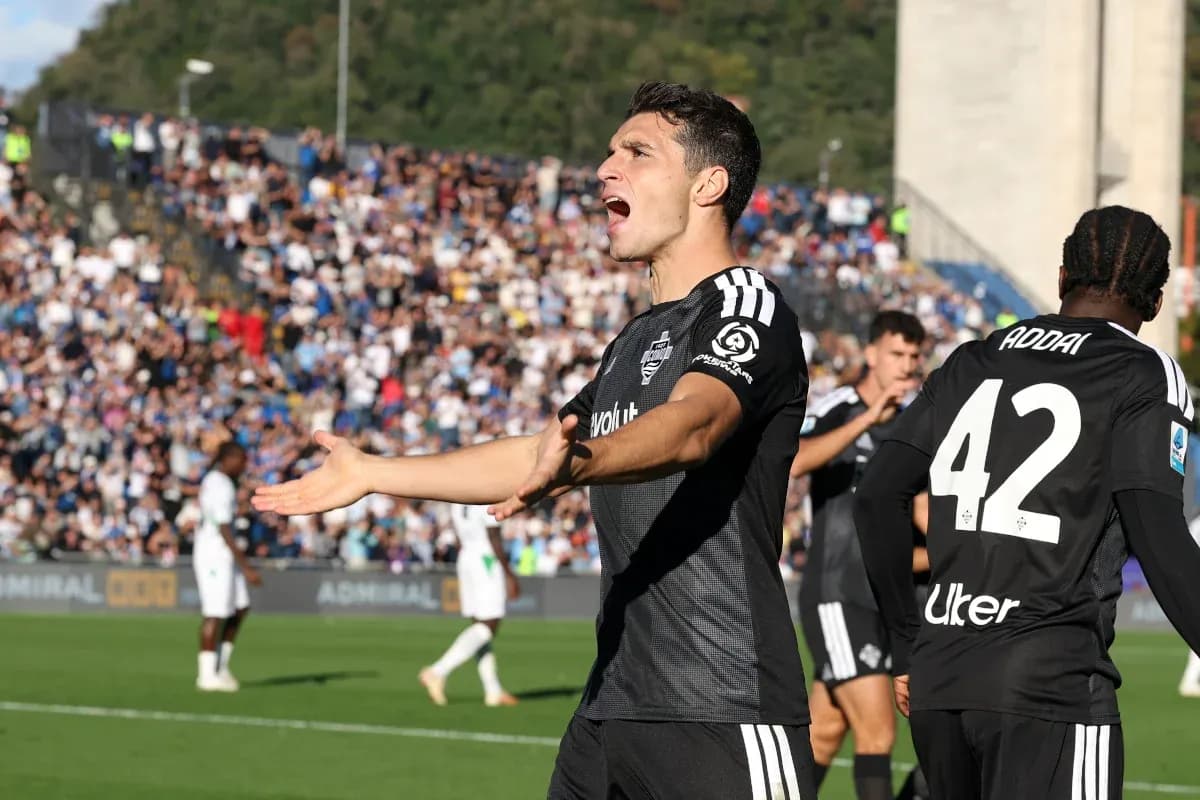
Como Secures 2–0 Victory Over Sassuolo – A Step Towards Europa League
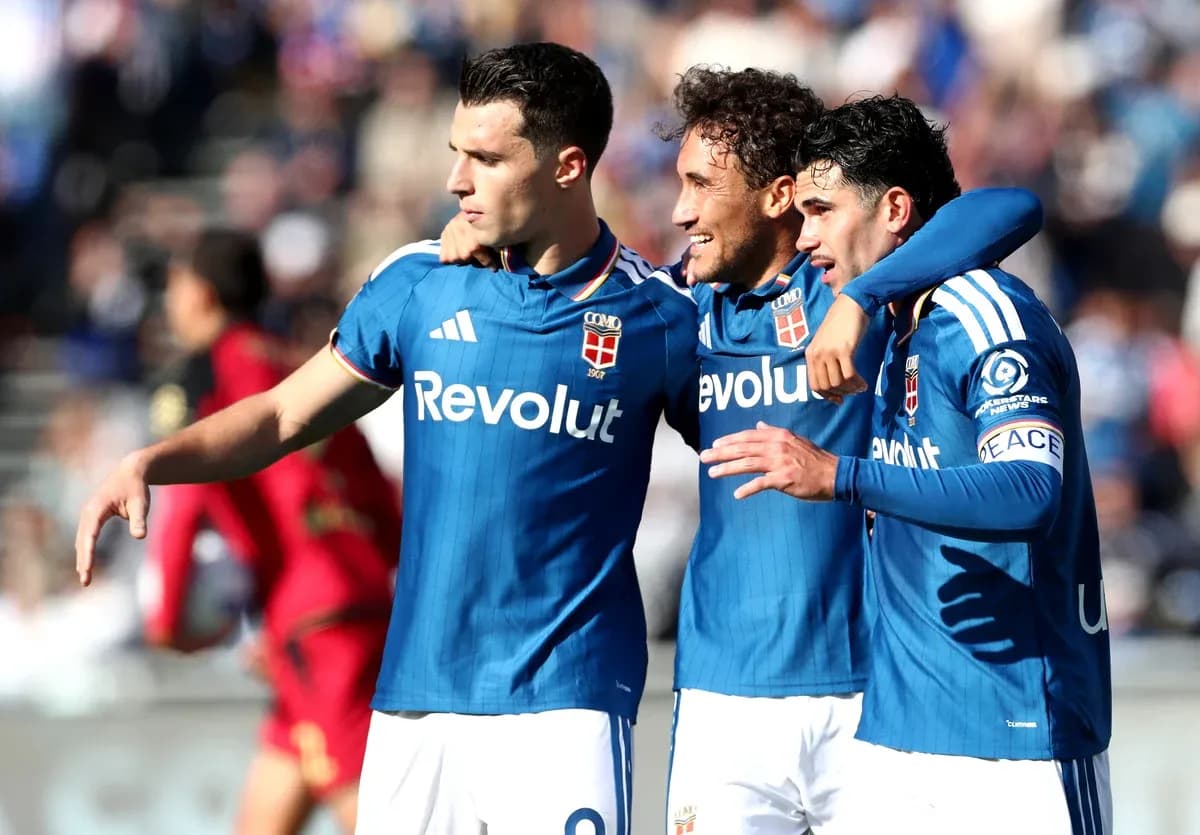
The afternoon on Lake Como ended with a statement. Under the autumn light at Stadio Giuseppe Sinigaglia, Cesc Fàbregas’ Como not only beat Sassuolo 2–0; they underlined why they look every inch a Europa League contender in this Serie A season.
I. The Big Picture – Structure, Form and Identity
Following this result in Regular Season - 8, Como sit 5th with 17 points, their goal difference a crisp +7, built from 14 goals scored and 7 conceded overall. The numbers tell of balance: at home they have played 3, winning 2 and drawing 1, with 4 goals for and just 1 against. On their travels they have already collected 3 wins from 5, scoring 10 and conceding 6. Their overall scoring rate of 1.8 goals per game and just 0.9 conceded frames a side that attacks with ambition but defends with control.
Sassuolo, by contrast, leave Como mired in 14th with 8 points and a goal difference of -4, the product of 12 goals scored and 16 conceded overall. The split between home and away is stark: at home they have 2 wins and 1 draw from 3, with 6 goals for and 4 against; away they have played 5, drawn 1 and lost 4, scoring 6 but conceding 12. Their away defensive average of 2.4 goals conceded per game is the kind of vulnerability that gets exposed by well-structured sides like Fàbregas’ team.
Both coaches set up in a mirrored 4-2-3-1, but the execution was very different. Como’s version was about verticality and coordinated pressing; Sassuolo’s about trying to knit transitions through a technically gifted but overstretched midfield.
II. Tactical Voids – Absences and Their Echoes
This fixture was shaped before kick-off by who was missing as much as by who played.
Como were without a full spine of potential starters: T. Chalobah (injury), A. Diao (thigh injury), M. Kean (leg injury), M. Liberali (leg injury) and J. Rodriguez (injury) all listed as unavailable. For a side that already leans heavily on a tight rotation, that could have forced conservatism. Instead, Fàbregas doubled down on his preferred 4-2-3-1, trusting the existing core to maintain intensity across 90 minutes.
Sassuolo’s absentees were just as significant: D. Boloca and J. Idzes (both muscle injuries), I. Kone (broken leg), plus F. Leysen and Y. Paz (knee injuries). The loss of Boloca in particular stripped Alberto Aquilani of a stabilising midfielder who might have helped protect a defence that already concedes too much, especially away.
Disciplinary trends this season add another layer. Como’s yellow cards are spread but show a clear spike after the interval: 27.27% of their cautions come between 46–60 minutes, with further clusters at 31–45, 76–90 and even 91–105. It paints a picture of a team that plays on the edge in the heart of the contest but rarely loses control; they have no red cards recorded in any time segment.
Sassuolo’s yellows tell of a side often chasing games. Fully 25.00% of their bookings fall in each of the 46–60, 61–75 and 76–90 windows, with another 16.67% between 91–105. Again, no reds, but a consistent pattern of late, reactive fouling – exactly what you expect from a team that is frequently under siege away from home.
III. Key Matchups – Hunter vs Shield, Engine Room Battles
The most obvious “hunter” in this fixture was Como’s centre-forward T. Douvikas. Heading into this game he had 5 goals from 8 Serie A appearances, averaging a shot profile of 19 attempts with 13 on target. He is not just a penalty-box poacher: his 55 duels contested and 28 won show a forward comfortable engaging defenders physically, occupying centre-backs and opening lanes for the three behind him.
Against him stood a Sassuolo rearguard that, away from home, concedes 2.4 goals per match and has yet to keep a clean sheet anywhere this season. D. Ćaleta-Car and Fali Candé formed the central shield, with I. Van der Brempt and Rafael Obrador at full-back. On paper, it is a technically capable unit, but the numbers betray a line that cracks under sustained pressure, especially when the midfield screen is bypassed.
Behind Douvikas, Fàbregas built a fluid line of three: M. Baturina, L. da Cunha and M. Caqueret. Caqueret, one of Como’s top assist providers with 2 assists and 11 key passes, is the metronome – 185 total passes with 85% accuracy, plus 10 tackles and 1 blocked shot underline his dual role as both tempo-setter and counter-pressing trigger. Baturina and da Cunha, starting in the half-spaces, constantly asked questions between Sassuolo’s lines.
Sassuolo’s answer in the “engine room” was the pairing of Vasilije Adžić and N. Matić at the base, with D. Berardi, D. Bakola and B. Domínguez supporting K. Bowie. Adžić, already with 3 goals and 1 assist this season and 13 key passes, is their creative heartbeat, but he was forced deeper and wider than Aquilani would have liked, often dragged into defensive duties against Como’s rotating midfield triangle.
The duel between Adžić and Como’s double pivot of S. Ricci and M. Perrone was decisive. Ricci and Perrone provided the platform that allowed Caqueret to step higher, effectively making it a 2+1 structure that outnumbered Sassuolo’s first pressing line. With Como’s full-backs Yan Couto and Kaiki pushing selectively, Sassuolo’s wide midfielders were pinned back, leaving Bowie and Berardi isolated.
IV. Statistical Prognosis – Why the 2–0 Scoreline Fits the Data
Strip away the names and the 2–0 feels like the logical output of the underlying profiles.
Como came into the fixture with a home scoring average of 1.3 goals per game and a defensive average at home of just 0.3 conceded. Sassuolo arrived with an away scoring rate of 1.2 but an away defensive rate of 2.4 conceded per match, plus no clean sheets anywhere this season. The collision of Como’s structured attack and Sassuolo’s fragile away block always pointed towards multiple home chances and at least one clean sheet opportunity for J. Butez.
Como’s season-long use of the 4-2-3-1 in 7 of their 8 league games speaks to tactical continuity. Sassuolo, by contrast, have split between a 4-3-3 (5 times) and a 4-2-3-1 (3 times), suggesting a coach still fine-tuning his best shape. In Como, Aquilani mirrored Fàbregas’ system but ran into a side far more rehearsed in the nuances of that structure: coordinated presses, third-man runs and full-backs stepping into midfield zones.
With neither side awarded a penalty this season and both yet to miss from the spot, there was no expectation of set-piece variance tilting the balance. This was always likely to be decided in open play and in how each side managed the game’s middle third.
Following this result, Como’s clean-sheet tally rises from a base of 2 overall, reinforcing a defensive identity that has underpinned their surge to 5th. Sassuolo, meanwhile, continue a worrying trend of conceding heavily away, their overall goal difference of -4 the product of structural issues rather than bad luck.
In narrative terms, this 2–0 is more than a single afternoon’s work. It feels like a snapshot of two trajectories: Fàbregas’ Como, methodically building a European-level platform, and Aquilani’s Sassuolo, still searching for a stable shape and a way to protect a talented but exposed core.