Crystal Palace vs West Ham: Tactical Insights from a Goalless Draw
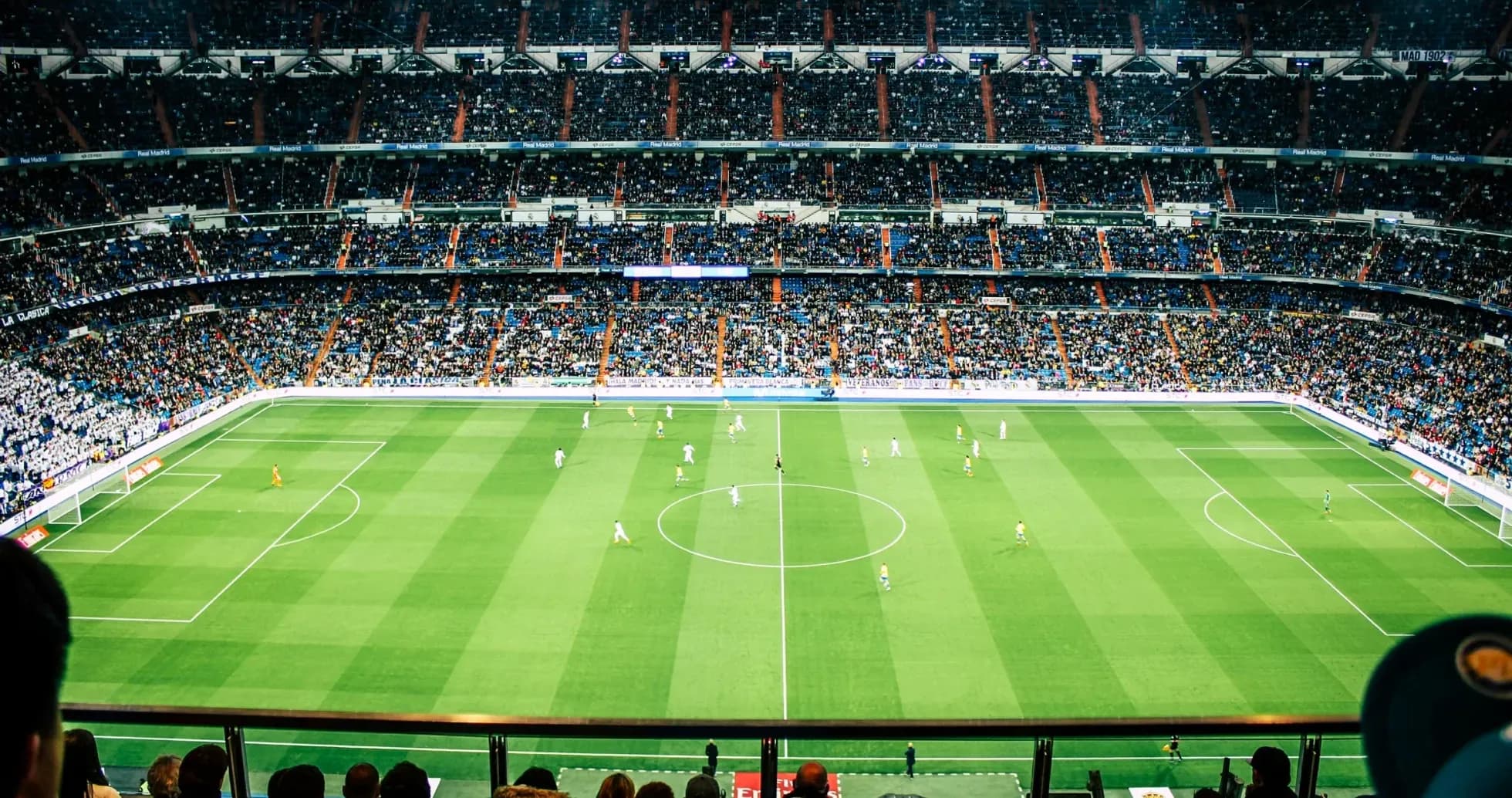
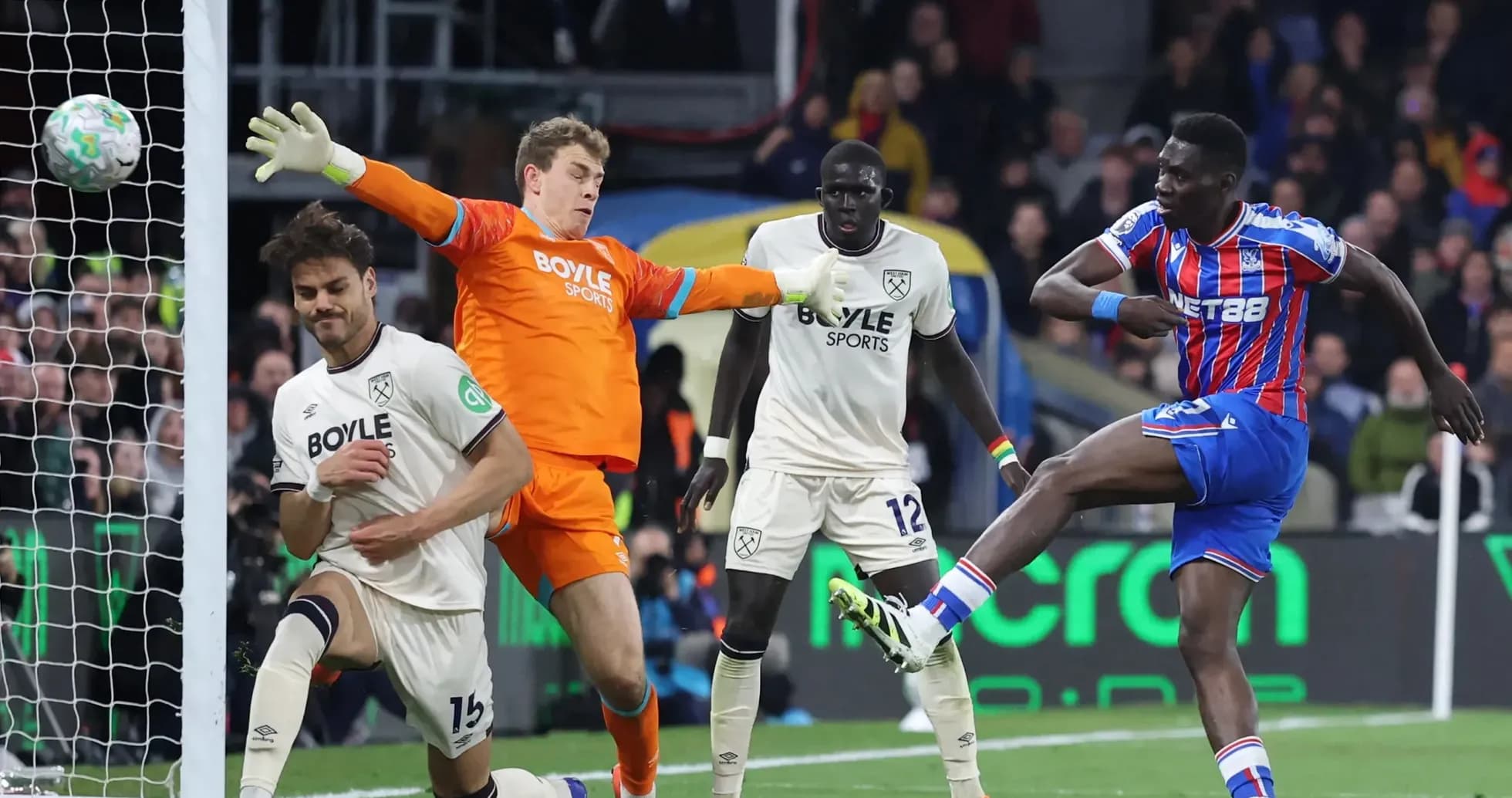
Selhurst Park under the lights, a late‑season Premier League fixture that finished goalless but revealed plenty about where Crystal Palace and West Ham stand in their respective journeys. Following this result, a 0‑0 that felt more like a tactical chess match than a stalemate of errors, the table still shows Palace in 13th on 43 points and West Ham in 17th on 33. The narratives, though, are diverging.
Palace came in with a clear seasonal identity: compact, back‑three based control and marginal gains. Overall this campaign they have scored 35 and conceded 36, a goal difference of -1 that perfectly captures their equilibrium. At home they have been cautious to a fault, averaging 0.9 goals for and 1.1 against, with 7 clean sheets and 7 games where they failed to score. West Ham, by contrast, arrived as a high‑variance side: 40 goals for and 57 against overall, a goal difference of -17, with defensive fragility baked into their season. On their travels they average 1.1 goals for but 1.7 against, a team that almost always offers you chances.
Into that context stepped two very different structures. Oliver Glasner doubled down on Palace’s 3‑4‑2‑1, the system they have used in 29 league matches. Daniel Henderson anchored a back three of Maxence Lacroix, C. Richards and J. Canvot, with D. Munoz and T. Mitchell as aggressive wing‑backs. W. Hughes and J. Lerma formed the central hinge, while B. Johnson and Y. Pino floated behind the lone striker J. S. Larsen.
Nuno Espirito Santo, meanwhile, opted for a 4‑4‑1‑1 that looked like a pragmatic away‑day shell. M. Hermansen started behind a back four of K. Walker‑Peters, K. Mavropanos, A. Disasi and M. Diouf. The midfield band of four – J. Bowen wide right, T. Soucek and M. Fernandes inside, C. Summerville left – supported Pablo in the pocket and T. Castellanos up front.
The absences shaped the tone. Palace were without C. Doucoure (knee), E. Guessand, E. Nketiah and A. Wharton, stripping depth from both their midfield steel and attacking rotation. That pushed Hughes and Lerma into heavy‑load roles, responsible for both first‑phase build and counter‑pressing. For West Ham, the missing L. Fabianski removed an experienced voice from the back; Hermansen, capable but less battle‑scarred, had to marshal a defence that has conceded 57 overall this season.
Discipline loomed in the background. Heading into this game, Palace’s yellow‑card profile showed a spread of aggression, with a notable 19.70% of their bookings arriving between 46‑60 minutes and 18.18% between 31‑45. West Ham’s card map was even more volatile: 24.56% of their yellows in the 31‑45 window and another 17.54% in both the 61‑75 and 76‑90 stretches. Red cards have also been a theme: West Ham’s J. Todibo has already seen one, as has Palace’s Lacroix and West Ham’s Soucek. Even without a specific flashpoint here, both sides played with the knowledge that one mistimed challenge could tilt the evening.
The “Hunter vs Shield” duel was written across the front lines and back fours. For Palace, the purest finisher in the squad this season has been J. Mateta, whose 10 league goals and 4 penalties scored made him the natural focal point. Starting on the bench, he represented Glasner’s late‑game card – a penalty‑box specialist with 50 shots and 28 on target, and a willingness to duel (262 contests, 100 won). In his absence from the XI, J. S. Larsen’s role was to stretch and occupy, with Johnson and Pino tasked with threading the final ball.
Their target: a West Ham defence that, on their travels, concedes 1.7 goals on average and has been torn apart in some of their heaviest defeats (5‑2 away, 1‑5 at home). Yet the Hammers’ individual pieces are not without merit. A. Disasi and K. Mavropanos offer aerial presence, while Todibo, even from the bench, brings 12 blocked shots this season – a defender who quite literally puts his body on the line. In front of them, Soucek is the enforcer, with 33 tackles, 11 blocked shots and 16 interceptions; he is the one tasked with stepping into passing lanes and contesting second balls.
On the other side, West Ham’s “hunter” is not a pure striker but J. Bowen. With 8 goals and 8 assists, 36 key passes and 106 dribbles attempted, he is the chaos agent. His duel with Palace’s back three – especially Lacroix, who has 52 tackles, 14 successful blocks and 39 interceptions – was always going to be decisive. Lacroix’s red card earlier in the season underlines the edge he plays with, but also his willingness to defend on the front foot.
The “Engine Room” battle revolved around Hughes and Lerma against Soucek and Fernandes. Palace’s double pivot had to balance risk: push too high and Bowen and Summerville spring into the spaces; sit too deep and Palace revert to the home pattern that has seen them score only 16 in 17 at Selhurst Park. West Ham, knowing they average 1.2 goals overall but concede heavily, were content to keep the game in front of them, to compress central zones and trust Bowen and Pablo to break in transition.
From a statistical prognosis perspective, the 0‑0 did not entirely align with the underlying trends. Heading into this fixture, Palace’s matches typically hover around 2.2 goals overall (35 for, 36 against in 32), while West Ham’s tilt closer to 2.9 (40 for, 57 against in 33). Palace’s 12 clean sheets overall met West Ham’s 11 games without scoring, and that particular intersection – a home side comfortable in structure versus an away side prone to blanks – ultimately won out.
xG models would likely tilt slightly towards Palace on territory and shot volume, given West Ham’s defensive record and Palace’s home control. Yet the Hammers’ capacity to generate high‑value chances through Bowen and set‑pieces, coupled with Palace’s tendency to fail to score in home matches, always made a low‑scoring outcome plausible.
In narrative terms, this was a night where structure beat chaos, where both “hunters” were kept at arm’s length by well‑drilled shields. Palace extended their reputation as one of the league’s more balanced mid‑table sides, West Ham clung to a point that could matter deeply in a relegation‑tinged battle, and Selhurst Park witnessed a tactical draw that said more about systems and discipline than the scoreboard ever could.