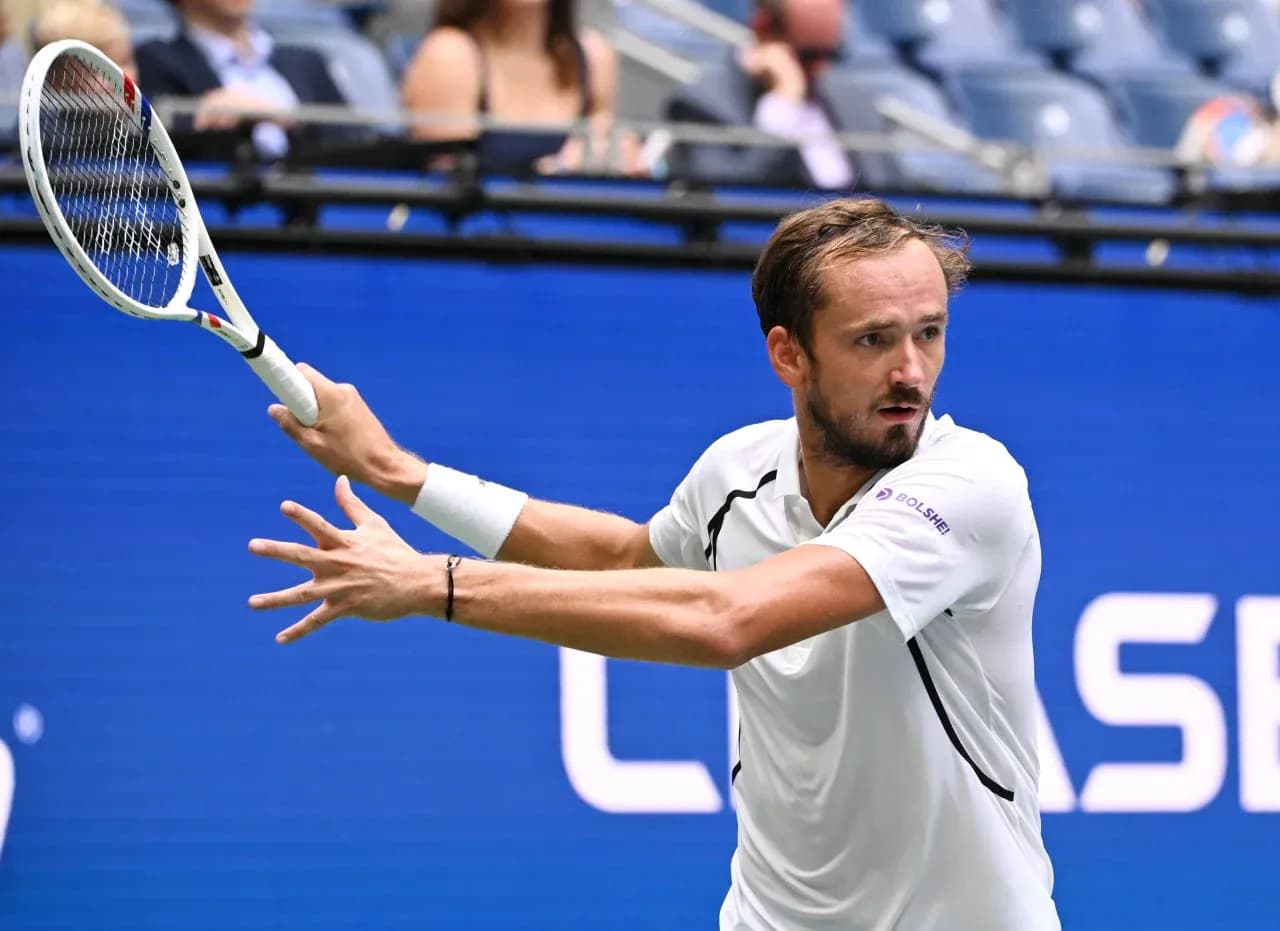
Daniil Medvedev's Emotional Comeback at the Vienna Open
Daniil Medvedev has broken plenty of rackets in his time. In Vienna, it was his own hand that took the punishment.
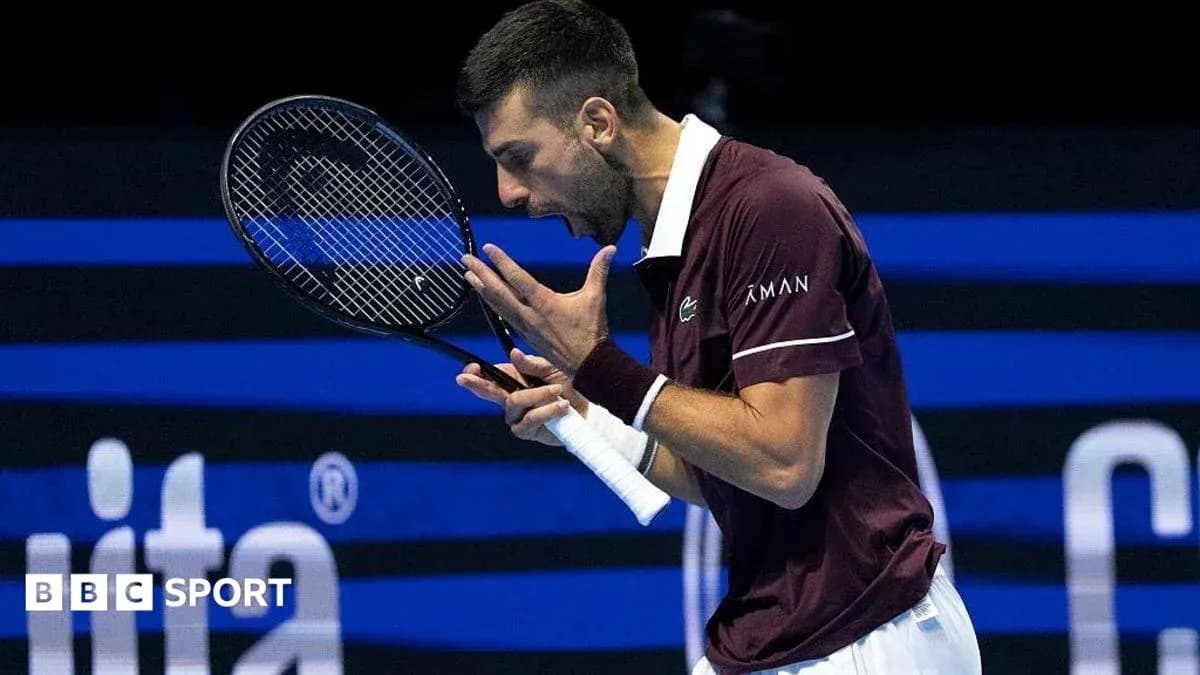
Locked in a tense third set against Cameron Norrie at the Vienna Open, the former World No. 1 let his temper boil over in a different direction. Trailing 0–2 in the decider and unable to find a way through the Brit, Medvedev balled his right hand into a fist and repeatedly hammered it into the court surface during a changeover, choosing pain over a potential fine.
The cameras caught more than just the blows. They caught the barb.
“If you hurt yourself, at least you don’t get the fine,” Medvedev was heard saying. “The ATP likes it when people get hurt.”
It was a bitter, sarcastic jab at the tour’s tightening stance on racket abuse, delivered in the middle of a match that was slipping away from him. Norrie had surged to a 3–0 lead in the third set, and Medvedev, usually so clinical from the baseline, looked ragged and agitated.
Racket smashes have long been part of tennis’ emotional landscape, a kind of unofficial pressure valve. Few players embody that more vividly than Medvedev. Earlier this season in Monte-Carlo, he imploded in spectacular fashion during a 6–0, 6–0 defeat, finishing the humiliation by obliterating his racket.
The sport has responded to such scenes with a stricter code. The ATP’s regulations on racket abuse now carry real weight. On court, umpires can escalate from a warning to point and even game penalties. Off court, the financial hit can be severe: standard fines for racket-smashing typically run between $5,000 and $10,000, with the numbers climbing if the outburst damages the court or net, or endangers ball kids, officials, or spectators.
Medvedev knows those rules from the inside. He has been on the wrong end of them often enough. At the China Open, he was fined his entire tournament earnings after being disqualified from his semifinal against Novak Djokovic when a ball he struck in frustration accidentally hit a fan. The message from the ATP was clear; the resentment from some players, just as clear.
So a workaround has emerged. If the racket is off limits, the body becomes the target.
Medvedev is far from alone in that. His compatriot Andrey Rublev has repeatedly been seen smashing his racket against his own legs, sometimes hard enough to draw blood. In Hangzhou against Hugo Gaston, Rublev punched the advertising boards so fiercely that his hands started bleeding, then played on and won.
In Vienna, Medvedev followed a similar script. He punched the court, vented the anger, then went back to work.
And from the brink, he turned the match around.
From meltdown to masterclass
At 0–3 down in the deciding set, Medvedev looked cooked. Norrie was dictating with his lefty angles, dragging the Russian around and forcing errors. The outburst during the changeover felt like the prelude to a tame exit.
Instead, it lit a fuse.
Medvedev clawed his way back to 3–3, tightening his patterns, finding more length, and finally pinning Norrie behind the baseline. Just when he seemed to have wrestled control, though, the pendulum swung again. A loose service game handed Norrie a 5–3 lead, and with it a match point on his own serve.
This was the moment that usually buries players. Medvedev refused to go quietly.
He saved the match point, broke Norrie back, and dragged the contest into deeper waters. Both men then held serve, sending the decider into a tiebreak that demanded nerve as much as shot-making.
There, Medvedev’s experience told. The former US Open champion shut the door with authority, dominating the breaker 7–1 and sealing a win that, for long stretches, had looked beyond him.
From 0–3 down in the third set. From punching the court in fury. From a sarcastic swipe at the ATP to a place in the quarterfinals.
High stakes, higher form
The victory sends Medvedev into a last-eight meeting with Adrian Mannarino, a matchup that has become quietly intriguing on tour. The head-to-head stands at 5–4 in Medvedev’s favor, but that number hides the recent trend: the Russian has taken five of their last six encounters.
He arrives in Vienna in serious form. Across his last four events, Medvedev has collected two titles and reached two semifinals, a run that has reasserted his status among the game’s elite. The ranking reflects that stability: he sits at World No. 5 with 3,760 points and holds the same position in the Race to Turin.
For him, Vienna is not just another stop. A deep run here will all but lock in his place at the ATP Finals in November, the season-ending stage where every point, every decision, and every flash of temperament is amplified.
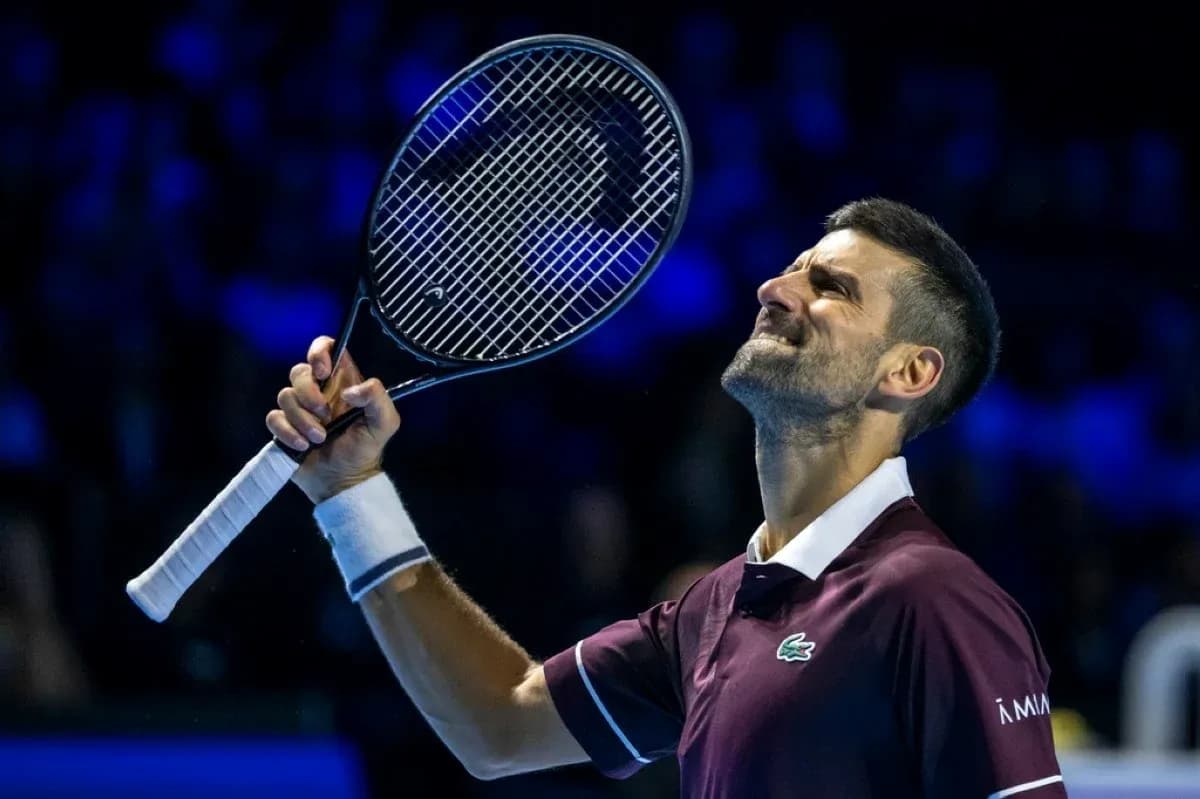
Medvedev has never hidden who he is on a court: combustible, brilliant, confrontational, vulnerable, and then suddenly unplayable. In Vienna, all of those versions appeared within a single match.
The ATP can police rackets. It can’t legislate away that edge.