Roberto De Zerbi's Silence After Spurs Defeat: A Call for Leadership
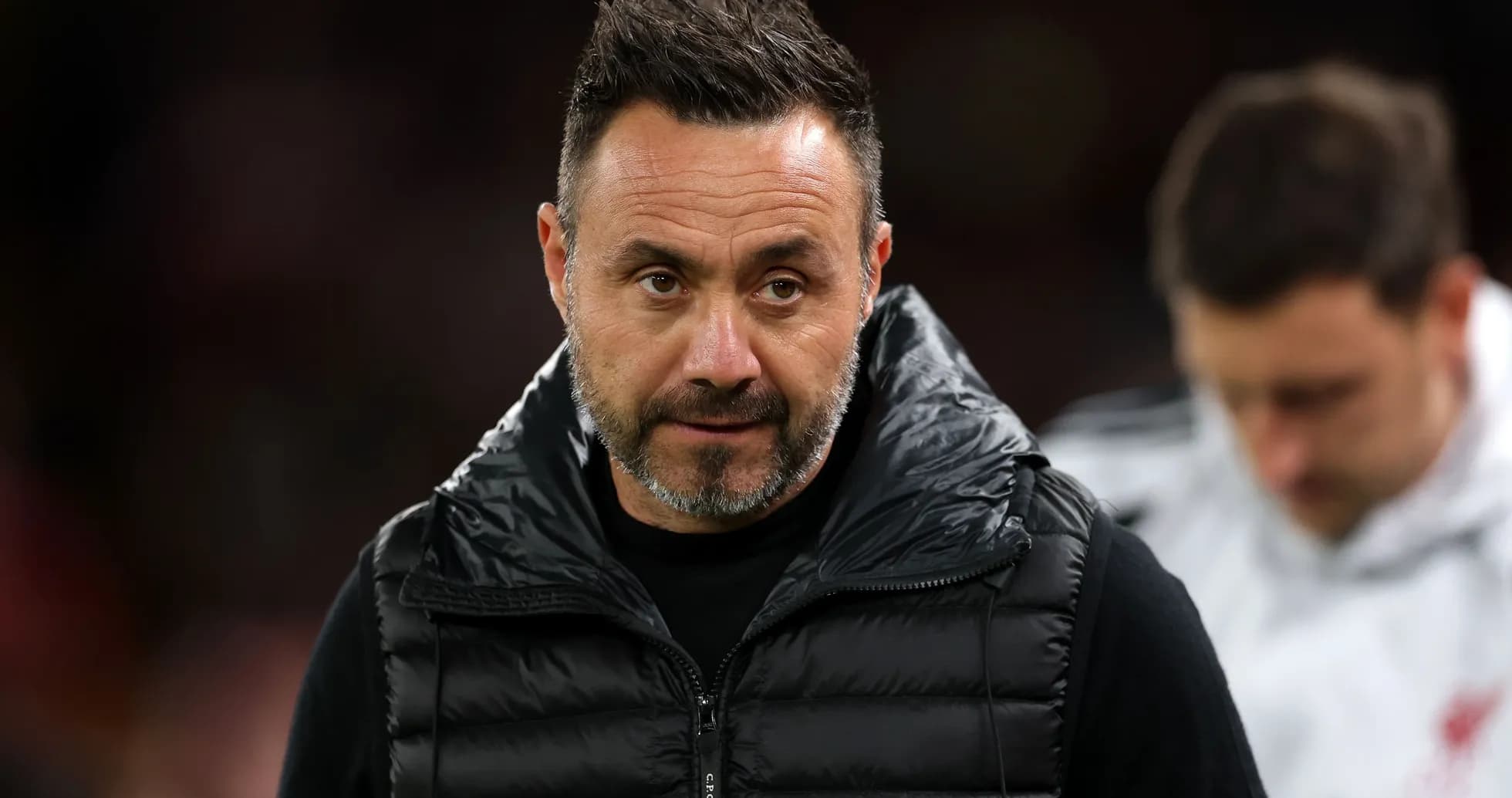
The noise inside Tottenham Hotspur Stadium had barely died down when Roberto De Zerbi chose the loudest response of all: silence.
After watching his side unravel against Aston Villa, the Italian manager walked away from the dressing room and bit his tongue. No inquest. No hairdryer. Just a calculated decision to say nothing at all.
“Maybe it is better. I didn't speak with the players today because I didn't want to say nothing. No, I have nothing with them,” he explained later, making it clear this was about control, not conflict. He wasn’t sulking. He was stopping himself from saying something he might regret.
‘Unacceptable’ goals and absent leaders
What pushed De Zerbi to that point was not just defeat, but the way it arrived. The collapse offended his sense of structure and his belief in his players’ mentality.
Spurs conceded one goal while down to ten men, Micky van de Ven off the pitch with a facial injury. Then came the one that really stung: a simple, direct ball from a goal kick that sliced straight through a side that knew exactly what was coming.
“We conceded an unacceptable goal from a long kick with a long ball and we knew before the game, because this season Aston Villa are playing 86 per cent more long balls than last season and we spoke in many, many meetings,” he said, frustration etched into every word.
This wasn’t about being out-thought. It was about not responding when the game changed. For De Zerbi, that responsibility sits squarely with his senior players.
“It's my responsibility, I take my responsibility,” he said. “But in that moment of the game, when the game is different than ball possession than playing in the last third, because we can't play 90 minutes in the last third like the first half, because there is an opponent, Aston Villa is not a so bad team, it's a good team.
“And the moment when we have to defend and we have to defend compact the leaders have to be leaders and to lead the team.”
The message was blunt. When the match stops looking like a training drill and turns into a fight for territory and shape, the experienced figures have to drag everyone through it. On Saturday, they didn’t.
Solanke struggles under the spotlight
If the defensive lapses infuriated De Zerbi, the form of Dominic Solanke clearly worries him.
The club’s marquee forward was supposed to give this side a ruthless edge. Instead, the opening month of the season has painted a different picture: a centre-forward short of sharpness, short of conviction, and nowhere near his best.
“We need more from him for sure, but he's one of my players, I like Dom as a player and I stay with him until the end,” De Zerbi insisted, backing his striker while making the standards unmistakable.
“He needs to stay, to feel better, his physical condition is not good enough for sure, but it's normal for him. Maybe he's not good enough in the confidence of himself in this moment because he's much better than this Dom Solanke.”
There was no attempt to hide behind excuses. Solanke’s body isn’t right. His belief isn’t right. Both need fixing quickly if this attack is going to function the way De Zerbi demands.
An international break with a purpose
For many managers, a three-week international break after a bruising defeat feels like a curse. Players scatter. Training grounds empty. Momentum stalls.
De Zerbi doesn’t see it that way.
With a large chunk of his squad heading off with their countries, he views the pause as a chance to reset and recalibrate. Those on national duty will keep their rhythm elsewhere. The ones who stay will be worked hard.
“The players who go with the national team they have to play, they have to work,” he said. “And the other players like [Conor] Gallagher, Solanke, Tosin [Adarabioyo], [Marcos] Senesi, Savio for sure we have to work more because of the physical condition I didn't like in this game.”
That’s the plan: turn silence into sessions, anger into intensity. De Zerbi has made it clear he expects more – in fitness, in focus, in leadership.
The question now is whether his squad hears him loudly enough when the talking finally starts again.