Declan Rice: The 'Freak of Nature' Facing Fitness Challenges
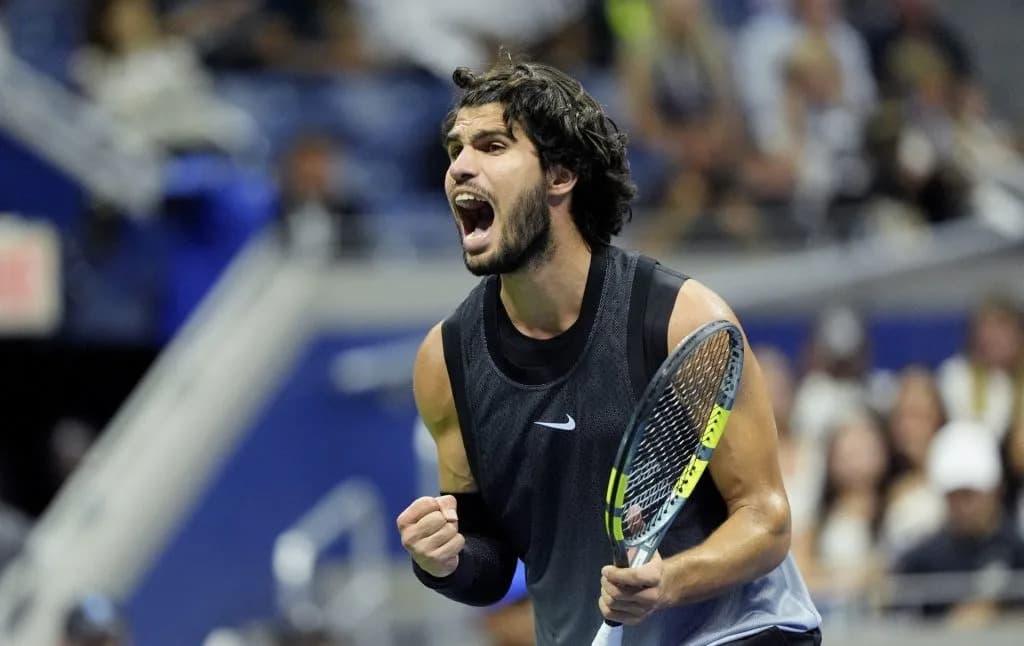
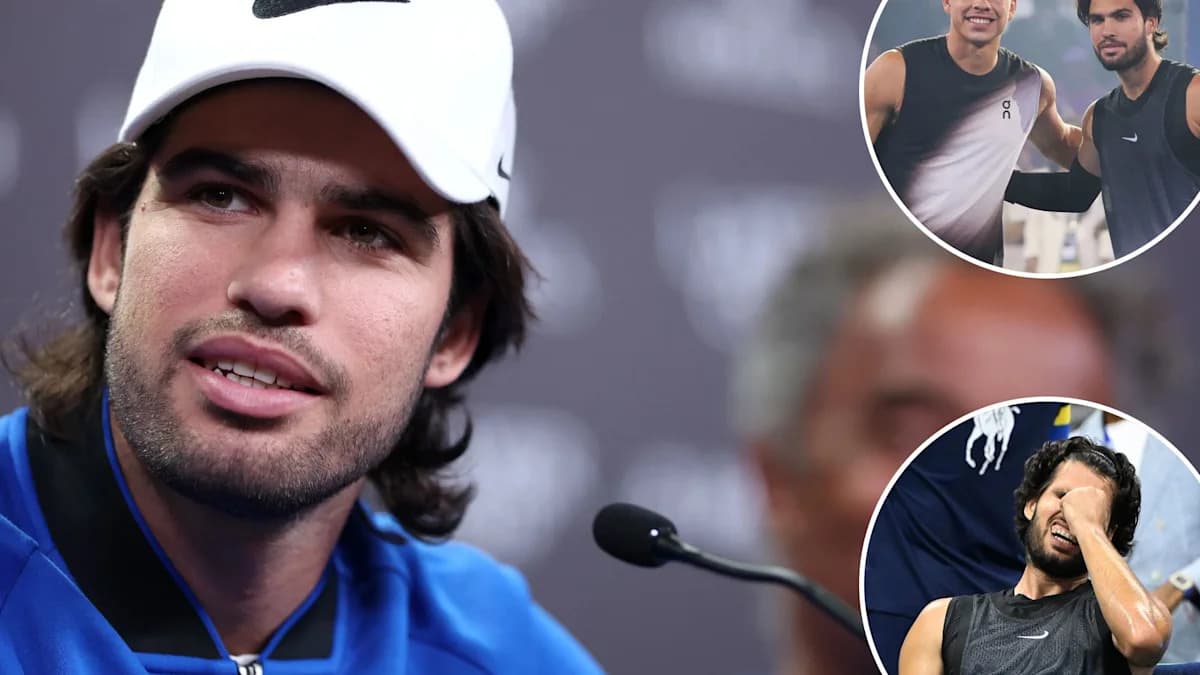
Aaron Cresswell calls Declan Rice a “freak of nature”. It sounds like a throwaway line from a former team‑mate, but the numbers back him up. Since the start of the 2020‑21 season, Rice has played 360 games for club and country. That is not a career total. That is four and a bit years of almost never stopping.
He has carried West Ham through long European runs, anchored England under Gareth Southgate and then driven Arsenal’s tilt at the Premier League and Champions League. Every manager has looked at him and seen the same thing: pick him, again and again, and worry about the consequences later.
On Wednesday in Yokohama, the bill finally looked as if it might be arriving.
A rare off‑day in the chaos
England’s 4-2 win over Croatia in their World Cup opener was wild, disjointed and, for long spells, deeply uncomfortable. In the middle of it all, Rice looked human.
This was his 63rd appearance of the season. He played like it. The usual certainty in his positioning deserted him. The midfield shape was wrong from the start, with too much empty grass between Rice and Elliot Anderson. Luka Modric, 39 and still scheming, kept dragging Rice deeper and wider, away from the areas England needed him to patrol.
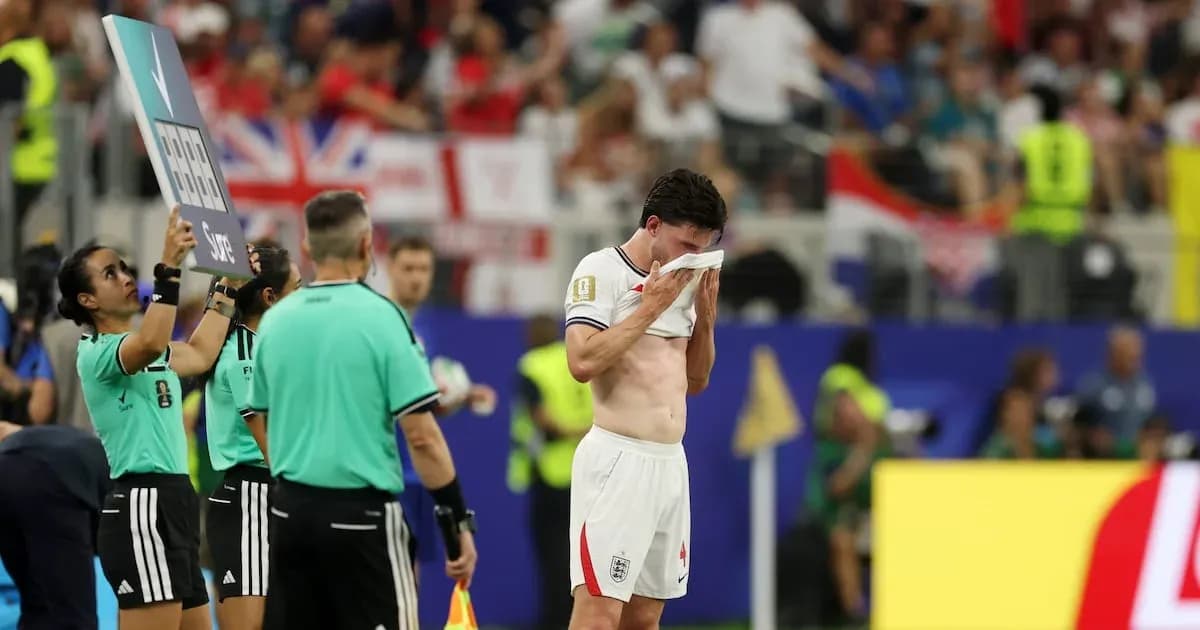
Thomas Tuchel’s side survived the first‑half malfunction. The scoreline owed more to individual quality than collective control. Yet the real alarm sounded in the 72nd minute, with England 3-2 up and Croatia pushing. That is normally Rice’s time, the period when his ball‑winning, his sense of danger, his sheer stubbornness, locks a game down.
Instead, he walked off.
Tuchel later said Rice had felt discomfort in his lower back and upper hamstring. The manager stressed it was precautionary. Rice, predictably, insisted he will be available to face Ghana on Tuesday. Still, the image of England’s vice‑captain trudging off in a tight game lingers. This is the player they almost never take off in those moments. What happens if they are forced to?
Tuchel’s post-match verdict was telling. “Declan had some unusual ball losses,” he said, diplomatically. For a midfielder whose game is built on security and control, that is not a small detail. It is a warning light on the dashboard.
No like‑for‑like safety net
England’s dependence on Rice has been obvious for years. When he does not play, they rarely look the same. The squad Tuchel has brought to this World Cup only underlines that reliance.
Kobbie Mainoo is a wonderful talent, calm on the ball and brave in possession, but he does not yet have Rice’s physical presence or set‑piece threat. Jordan Henderson offers experience and voice, but at 36 he was not trusted when England needed to keep the tempo high against Croatia. Tuchel left out Adam Wharton and Alex Scott from his final squad, in part because he believed he already had his deep‑lying midfielder.
He thought that player was Reece James.
When Rice went off, Tuchel’s first reaction was to shuffle Jude Bellingham back into a deeper role. It almost cost England immediately. Croatia poured through the middle, and the experiment lasted just eight minutes. Bellingham belongs further forward, where he can hurt teams, not firefighting in front of his centre-backs.
Only when Djed Spence came on for Bellingham and James stepped inside from right back did England look anything like a side capable of surviving without Rice.
Reece James, the emergency 6
James in midfield is no longer a novelty act. Chelsea have already done the hard work of the conversion. During his loan at Wigan in 2018‑19 he played in the centre, but it was under Enzo Maresca at Stamford Bridge that the shift became permanent. Over 18 months, Maresca pushed James inside, trusting his reading of the game, his aggression in the tackle and his passing range.
The payoff was significant. James starred in Chelsea’s Club World Cup final win over Paris Saint‑Germain last year. He then dominated a Barcelona midfield in a 3-0 win last November and, five days later, outplayed Rice himself when Arsenal came to Stamford Bridge.
Tuchel, who once insisted James was a right back in his Chelsea days, has changed his tune. “Reece James can play in the 6 because he does on a high level for Chelsea,” he said when he named his World Cup squad, using that as part of the rationale for leaving Wharton and Scott at home.
The logic is clear. James brings power and composure, can tackle, can pass, can switch play. With him stepping into midfield, England do not need a direct Rice clone. They need a different kind of balance.
Tuchel has built a squad to allow that flexibility. If James vacates right back, Spence, Ezri Konsa or Jarell Quansah can fill in. Konsa, in particular, offers the option of tucking in as a third centre back alongside John Stones and Marc Guéhi, leaving the adventurous Nico O’Reilly free to surge from left back. On paper, it is a structure that can protect James in the middle while still giving England width and thrust.
On grass, though, it comes with its own risk.
The fitness trap
James is not the iron man in this story. He is the opposite. His talent has never been in doubt; his hamstrings have. The latest setback came in March, costing him almost two months of the season. Chelsea have had to manage his minutes with care.
Now England must do the same. Tino Livramento’s calf injury before the tournament forced Tuchel to call up Trevoh Chalobah instead. It has already been a gruelling season for much of this squad, and James is first choice at right back. Expecting him to lock down that position and then absorb a heavy load in midfield if Rice is compromised would be reckless.
Tuchel knew fitness might define this World Cup long before the first ball was kicked. England flew early to Florida for a warm‑weather camp, the plan built around conditioning and recovery. Rice arrived late after Arsenal’s run to the Champions League final. He barely paused before boarding another flight and putting his body back on the line.
He always does. That is the problem.
If England go all the way and Rice plays every possible match, he will finish the season on 70 appearances for club and country. Seventy. For a central midfielder who covers more ground than almost anyone else on the pitch, the demands are brutal.
Tuchel cannot pretend he has not seen the warning signs now. Rice limping off, James’s history, the thinness of the alternatives: all of it points in the same direction.
England have built a World Cup plan around a “freak of nature” in midfield. The question, as the tournament stretches out in front of them, is simple and stark: how long can even a freak keep going?