Derby County Off the Market as Turki Alalshikh Withdraws from Takeover
Derby County’s long, uneasy wait for new ownership ended not with a handshake, but with a withdrawal.
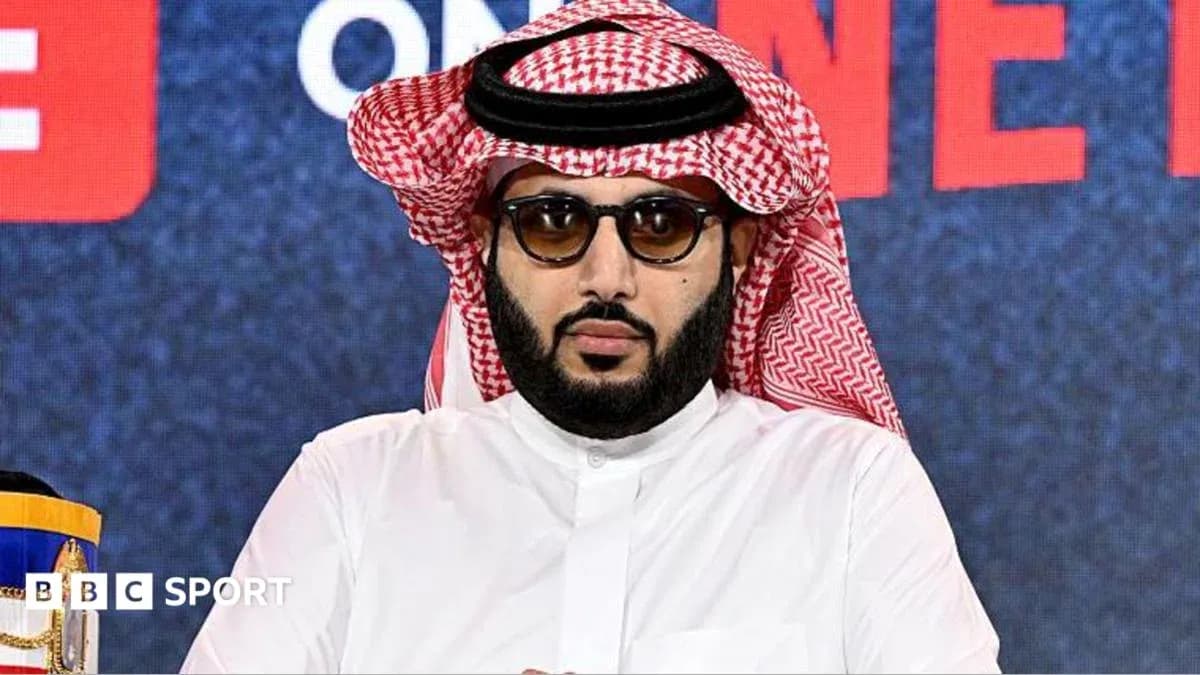
Saudi government official Turki Alalshikh has pulled out of his proposed takeover of the Championship club, abandoning a deal that had already cleared the key regulatory hurdles and looked set to reshape the Rams’ future.
The agreement with Alalshikh’s company, Lion Sport, had been sanctioned by both the English Football League (EFL) and the new Independent Football Regulator (IFR). Those close to the process believed it was a matter of timing, not approval. Then, on Monday, Derby were informed the 42-year-old no longer wished to proceed with what BBC Radio Derby understands would have been a controlling stake.
The club moved quickly to close the door.
“For the benefit of any doubt, the club is now off the market,” read a firm statement from Derby. “It will continue to operate under the loyal, committed and unwavering support of Clowes Developments.”
In a separate statement on social media, Alalshikh thanked Derby officials for their work on the proposed deal but made clear that the drawn-out approval process had, in his view, killed the move.
“We understood that the IFR process takes time and fully respect the importance of that,” he posted on X. “But unfortunately with the season already started, it would leave us with no time to prepare the team or the club for the season ahead.
“After careful consideration, we don't feel it is right to proceed at this time without the necessary preparation in place, but we will remain in conversation with the club and see what is possible in the future.”
The message was polite, but the implication was blunt: the clock beat the money.
Alalshikh, co-founder of boxing promotion company Zuffa and chairman of Saudi Arabia’s General Entertainment Authority, had lodged his bid with the regulator in May. The IFR, created to oversee prospective owners in the top five tiers of men’s football, insists it moved within its legal limits.
An IFR spokesperson said: “The IFR has a statutory duty to thoroughly test all prospective owners of a club in the top five divisions of men's football.
“The assessment was completed in 55 days out of the 90 days allowed by law.
“The IFR had taken a 'minded-to decision' to approve the bid before the start of the 2026-27 season. This had been communicated to all parties last week.”
The regulator stressed the scope of its checks. “In every case, we must consider a broad but fixed list of matters, all set out in statute,” the spokesperson added, outlining tests on financial soundness, sufficient resources, source of wealth, and “honesty and integrity” – including scrutiny of any criminal proceedings, civil actions and regulatory investigations.
While the bid inched through that process, pressure built outside the boardroom.
The proposed investment had already drawn fire from human rights organisations. Amnesty International warned in June that the Derby case represented a “defining test” for the new regulator, highlighting concerns over Saudi Arabia’s human rights record and the growing accusations of “sportswashing” surrounding its sporting investments.
Alalshikh, a close ally of the Kingdom’s de facto ruler Mohammed bin Salman, has been a central figure in that debate. Human rights groups have criticised his role in Saudi Arabia’s sweeping push into global sport, a strategy many see as an attempt to soften international scrutiny of the country’s treatment of women, its use of the death penalty and its anti-LGBT stance.
His football track record is already extensive. He owned Egyptian club Pyramids between 2018 and 2019, then took over Spanish side Almeria, before selling the La Liga outfit to a Saudi investment group last May.
For Derby, the collapse of the deal leaves them back where they started, but with one crucial difference: clarity.
Clowes Developments, the local firm that rescued the club from administration and stabilised it in the Championship, remains in control and, as the club’s statement underlined, has no intention of entertaining further bids for now.
The promise of Saudi-backed wealth has gone. What remains is a club that has already survived the brink once, now forced to plot its next steps without the dramatic injection of capital many had anticipated.
Derby have been here before, facing hard questions about ambition, identity and the price of progress. The ownership saga may be over for the moment, but the real test lies ahead: can the Rams climb back to the Premier League on their own terms, and at their own pace, in an era increasingly defined by the power of state-linked money?