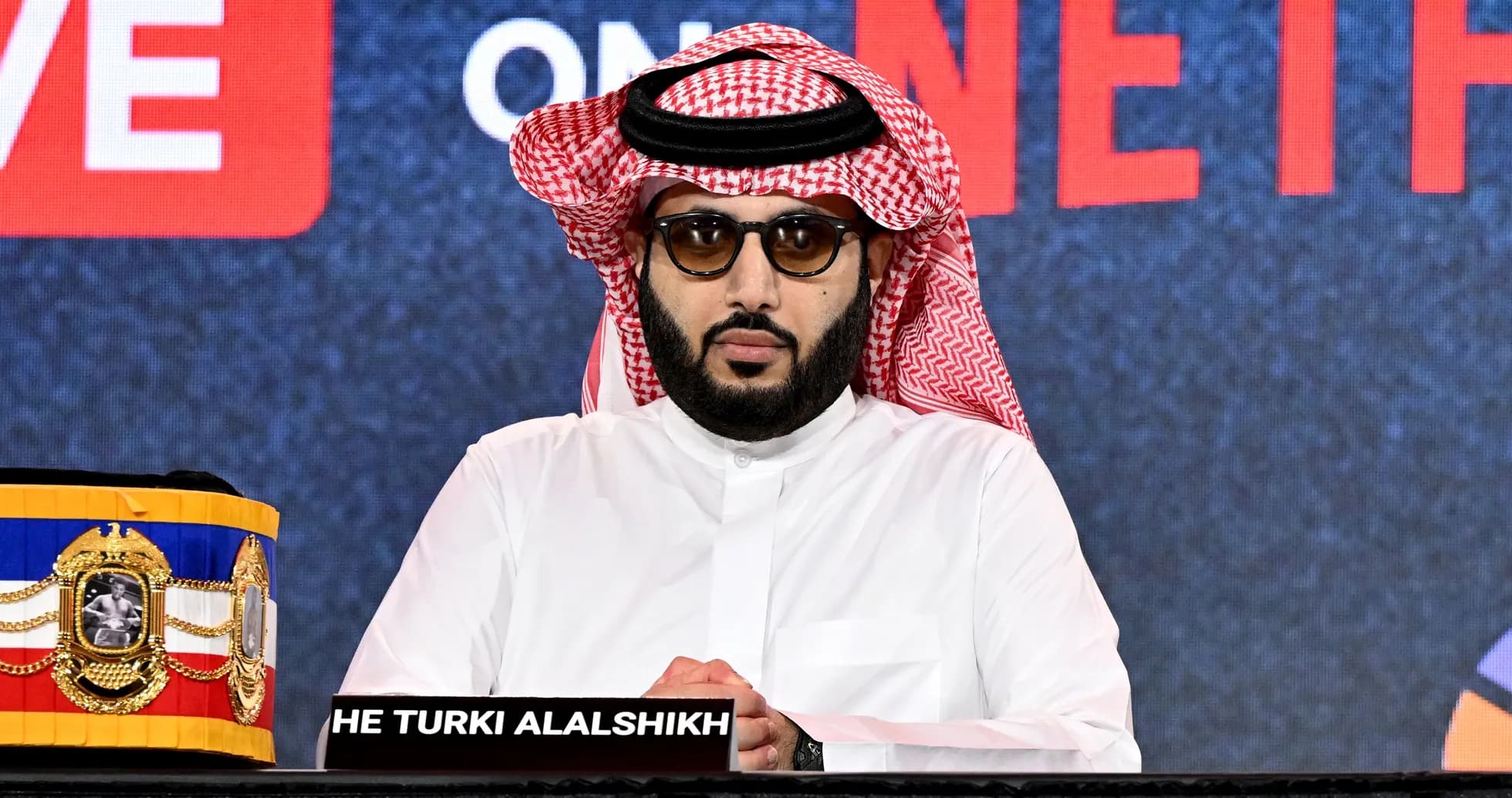
Derby County's Takeover by Lion Sport Collapses
The deal that was supposed to change Derby County’s future has vanished in a single statement.
Lion Sport, the Saudi-backed consortium fronted by General Entertainment Authority chairman Turki Alalshikh, will not be taking over at Pride Park. After months of work and the green light from the key regulators, the move has collapsed at the point where many inside and outside the club thought it was all but done.
Instead, Derby stay exactly where they are: in the hands of David Clowes and Clowes Developments. No new era. No headline-grabbing war chest. No sale at all.
Clowes Closes the Door
Derby moved quickly to end any lingering speculation. The club’s message was blunt and decisive: they are off the market.
“For the benefit of any doubt, the club is now off the market and will continue to operate under the loyal, committed and unwavering support of Clowes Developments,” read the statement.
Preparations, they stressed, continue for the new EFL season, which begins against Charlton Athletic on Saturday. There would be “no further comment.”
In one line, Derby tried to draw a thick line under months of takeover noise. No more shop window. No more uncertainty about who might be signing the cheques.
For a club that has only recently steadied itself after administration and a spell in League One, that clarity carries its own kind of value, even if it is not the windfall many supporters had begun to imagine.
Alalshikh Walks Away
On the other side of the deal, Alalshikh moved just as quickly to explain why Lion Sport had walked away.
He pointed squarely at timing. The regulatory process, he said, had pushed the deal too deep into the season to allow him to shape the club in the way he wanted.
“I would like to thank everyone at Derby County Football Club, and everyone involved in this process for all their hard work over the past few months,” his statement began.
He acknowledged the length and importance of the IFR process, but underlined the problem: “with the season already started, it would leave us with no time to prepare the team or the club for the season ahead.”
The pressure finally told in his conclusion. “After careful consideration, we don't feel it is right to proceed at this time without the necessary preparation in place,” he said, while leaving the door ajar by stressing that Lion Sport would “remain in conversation with the club and see what is possible in the future.” He signed off with a personal good-luck message to the team and the club.
So this is not a clean break, at least not from his side. The conversations, he insists, are not dead. The deal is.
A Complicated Pursuit of English Football
For Alalshikh, Derby is the latest twist in a long, uneven pursuit of a foothold in the English game.
He has already owned Pyramids FC in Egypt and Almeria in Spain, experience that brought him into the European club landscape and underlined his appetite for influence beyond his role in Saudi sport and entertainment. English football, though, has remained elusive.
Derby are not the first club to have his name attached to them. Millwall, Southampton, Sheffield Wednesday – all have been linked in recent years. None have turned into the breakthrough he has been chasing.
That is despite the scale of his resources. His wealth, widely estimated at around $2.8 billion, has helped him dominate the global boxing calendar, but translating that power into the English football boardroom has proved a very different challenge, tangled in regulation, scrutiny and public perception.
Derby’s aborted sale now sits alongside those previous near-misses, another reminder that money alone does not guarantee a clear path through English football’s corridors of power.
Derby Turn Back to the Pitch
Inside Pride Park, the mood now has to swing back to football.
Derby are bracing for life in the Championship after a decade that has tested every part of the club. Administration, points deductions, relegation to League One – the scars are still fresh. The arrival of Clowes Developments brought something they had lacked for too long: stability and local stewardship.
The Lion Sport proposal dangled a different vision: global exposure, heavyweight funding, a place in the swirl of Saudi-backed projects that have reshaped the sporting landscape. That will not happen, at least not this season.
Instead, Derby lean again on what they already have. A local owner. A board that no longer has to juggle takeover talks with transfer plans. A manager and squad who now know exactly who they answer to.
The “for sale” sign has been taken down. The question now is whether a club that has survived the worst of football’s financial chaos can turn that stability into something more tangible on the pitch, starting against Charlton and stretching across a long, unforgiving Championship campaign.