Has England's Era of Elite Strikers Reached Its End?
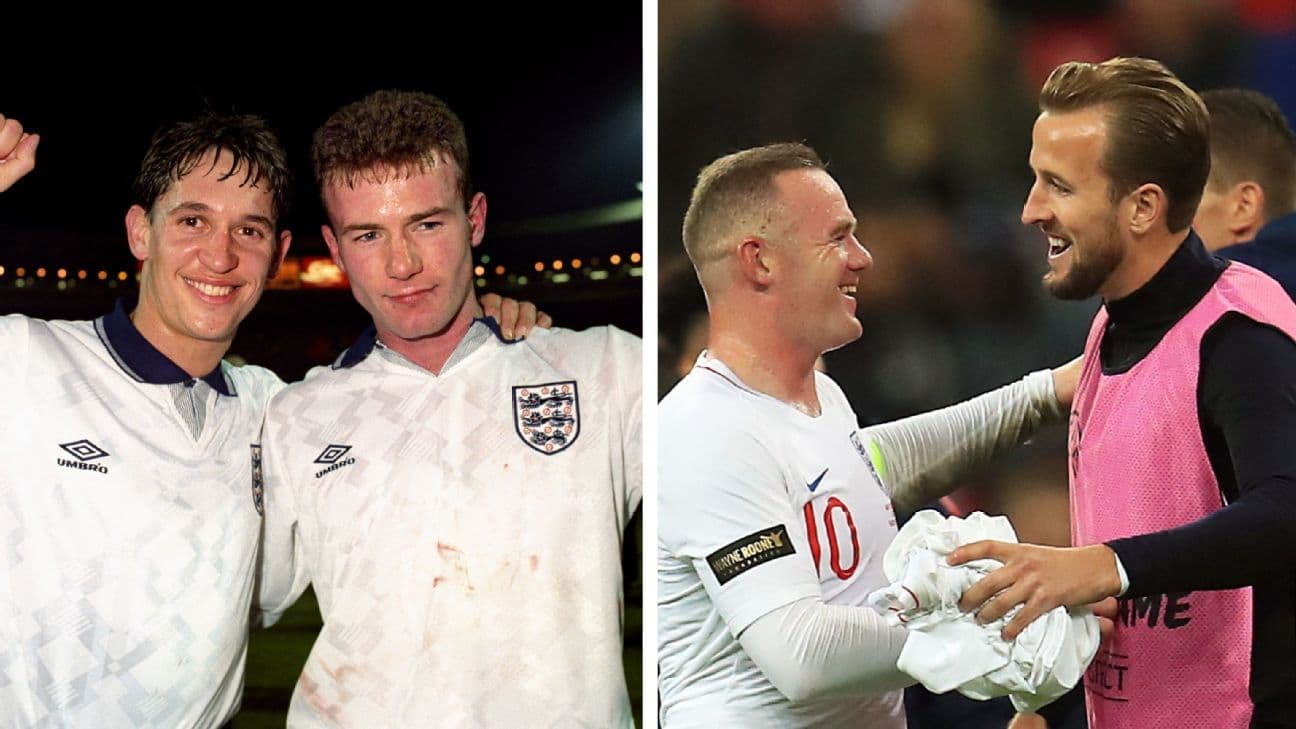
For nearly 50 years, England has boasted a world-class striker leading their attack at major tournaments. Starting from Gary Lineker in the mid-1980s, followed by Alan Shearer, Michael Owen, Wayne Rooney, and now Harry Kane, the nation has enjoyed a consistent supply of top forwards. Each of these players carried the hopes of England’s fans, contributing a combined total of 249 international goals and multiple Golden Boot awards.
Kane’s Weighty Role in 2026
This summer, at age 32, Harry Kane will captain England at what is likely his final World Cup. The burden of expectation rests heavily on him as the country’s main goal threat. Recent matches without Kane revealed how much England depends on his presence; performances against Uruguay and Japan left observers describing the team as "lost and confused." The fear looms that after Kane steps away, England may struggle to find a striker of equal caliber.
Unbroken Legacy of Strikers Since 1984
England's nearly four-decade streak began when Gary Lineker replaced Tony Woodcock during a match against Scotland in 1984. Since then, the role of No. 9 has been filled by iconic names who allowed managers to focus elsewhere on the pitch, given the certainty of having a proven goal scorer upfront. Supporting figures like Teddy Sheringham, Ian Wright, Emile Heskey, and others also played important parts during this time.
"The No. 9 back in the day was the role everyone wanted to play," said Emile Heskey. "It was all about scoring goals, hold-up play, everything. Now it feels like more players want to be wingers."
How England’s Striker Run Compares Globally
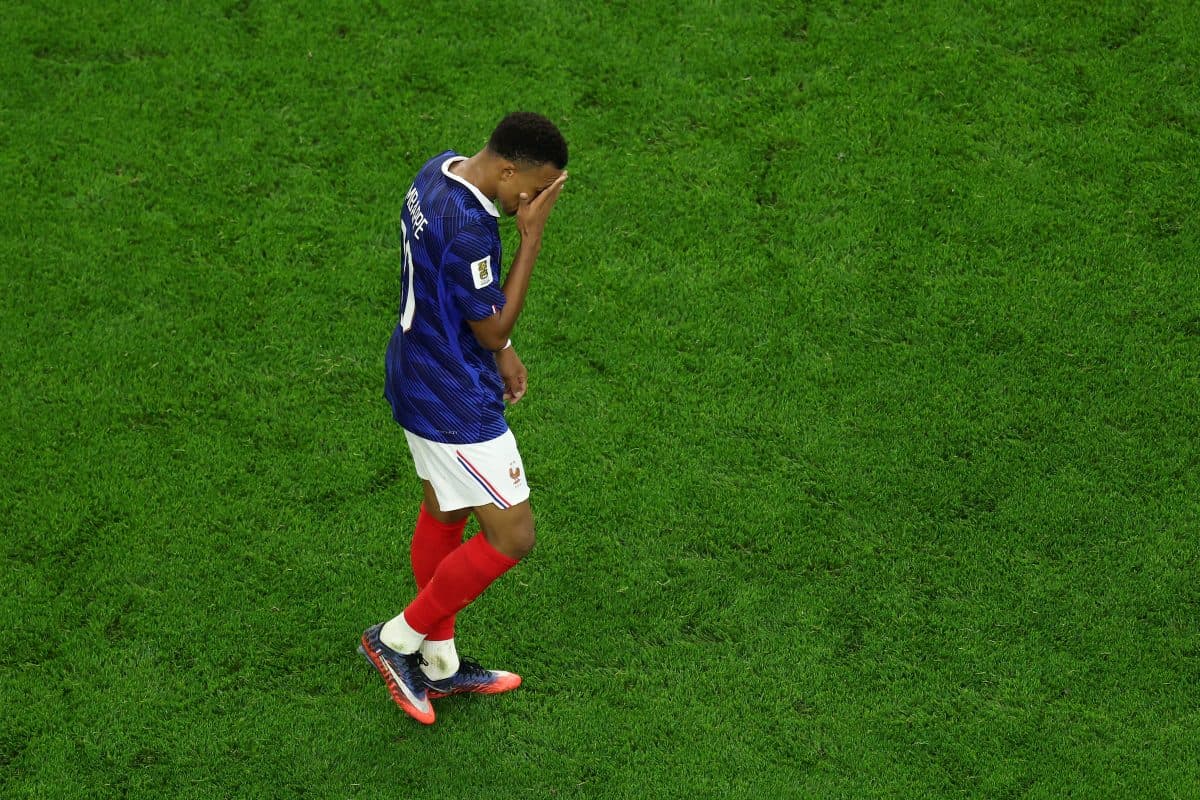
England's production line of strikers stands out internationally. France has had a strong series of forwards including Papin, Cantona, Henry, Benzema, and Mbappé, though with a two-year gap in the 1990s. Their talent translated into World Cup wins in 1998 and 2018. Spain’s strength lies in midfield maestros rather than strikers, while Italy once showcased legendary defenders but has faltered recently on the world stage. England’s chain of elite strikers has been remarkable for its consistency, even if it hasn’t delivered a major international title.
Future Prospects Post-Kane
Harry Kane has thrived at Bayern Munich with 95 goals in 93 Bundesliga appearances, yet his move abroad has highlighted a lack of strong English strikers in the Premier League. This season saw just three English forwards reach double-digit league goals—a record low. Veterans like Ollie Watkins, Dominic Calvert-Lewin, and Danny Welbeck have contributed well but may not be long-term replacements for Kane. Ivan Toney shines in Saudi Arabia but isn’t an immediate option.
The next generation shows limited promise. England’s under-21 squad recently featured only two strikers, Liam Delap and Jay Stansfield, with Delap struggling in his debut Premier League season. The Premier League’s global recruitment and tactical shifts toward wide forwards have reduced demand for traditional No. 9 types.
A Changing Role for the Striker
Wide attackers like Marcus Rashford and Raheem Sterling have gained prominence, diminishing the classic striker’s role. Still, recent signings such as Erling Haaland suggest strikers are making a comeback, favoring power and pace. Rooney once seemed to be the last great English striker until Kane emerged to rewrite expectations.
"We never got another Michael Owen, Wayne Rooney, or Alan Shearer," Heskey reflected. "We just changed the canvas. It’s not about finding the next Harry Kane."
Maybe England’s era of guaranteed elite strikers is fading, replaced by a new style of play. The question remains whether the future holds a standout No. 9 or a shift away from that traditional role.