England Triumphs 6–4 in Thrilling World Cup 3rd Place Final
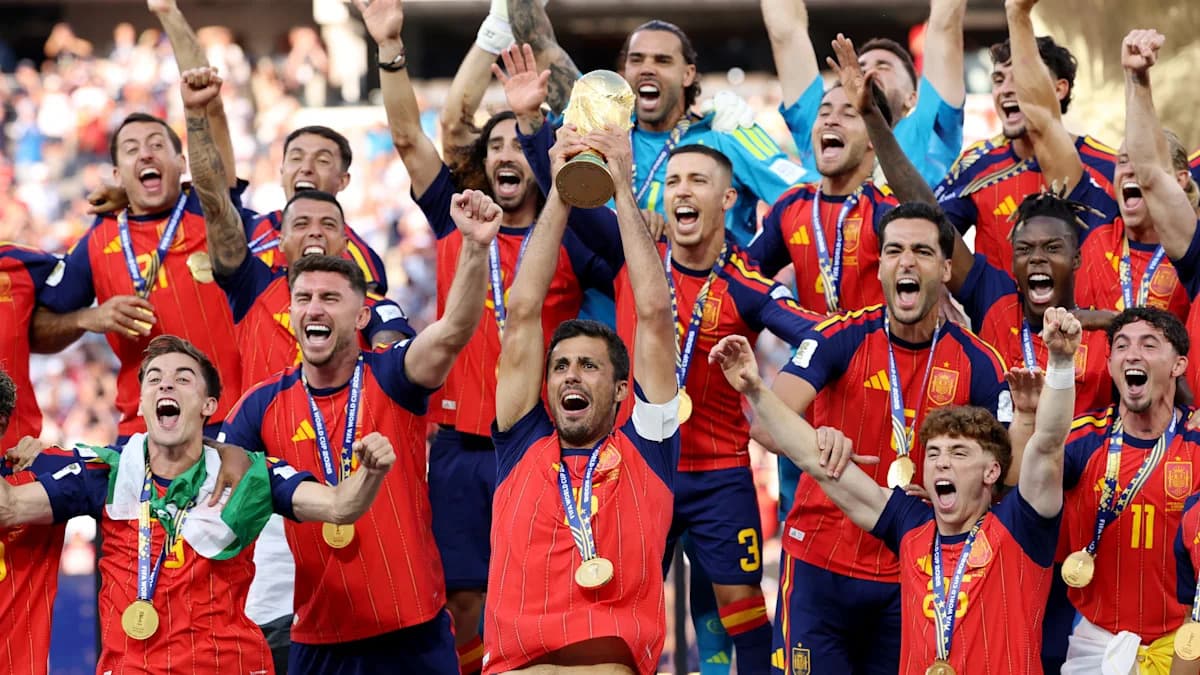
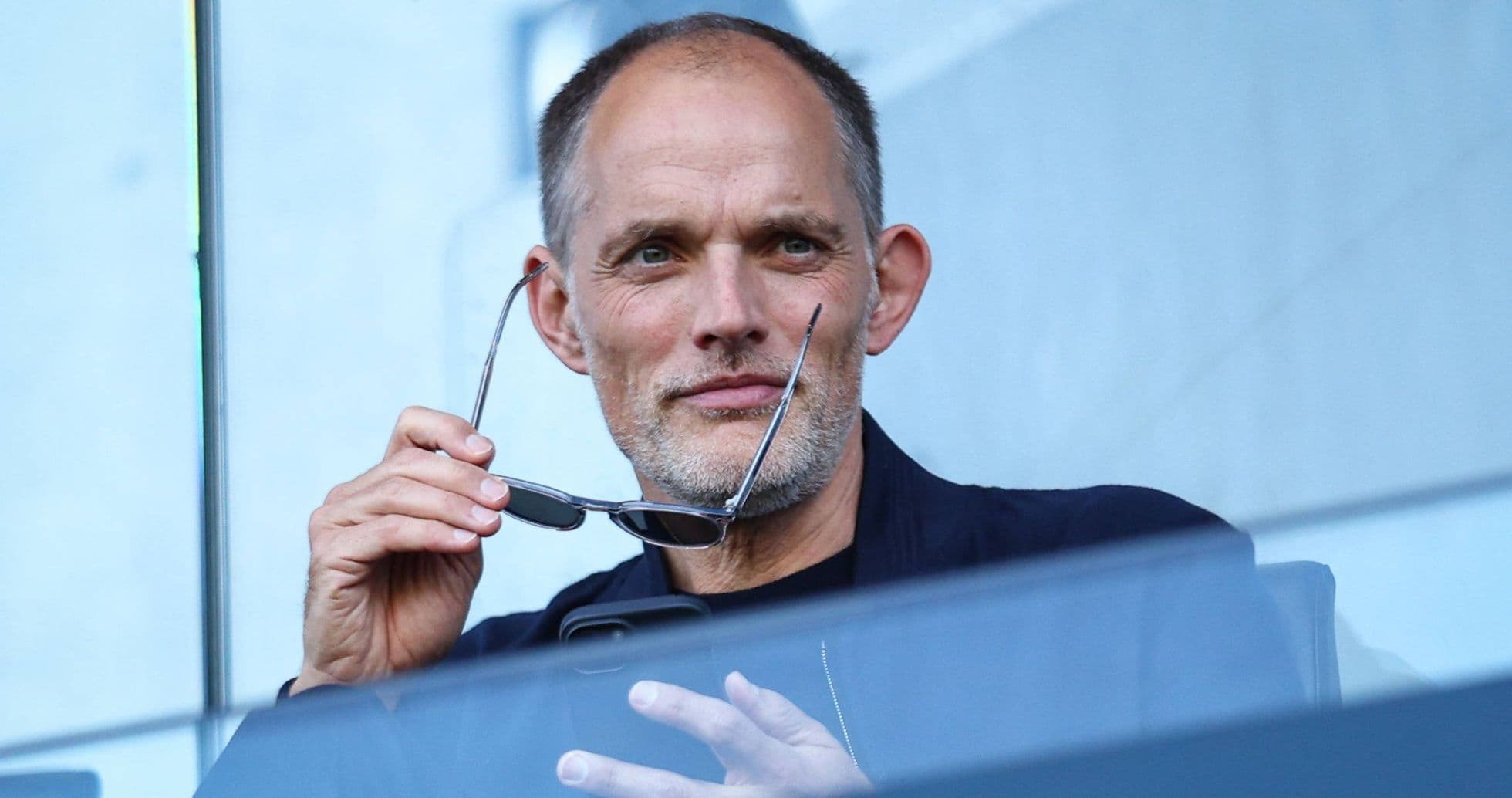
Under the Miami lights at Hard Rock Stadium, the World Cup 3rd Place Final turned into something closer to a basketball scoreline than a consolation match. France and England, both group winners heading into this game, tore into each other in a 10-goal spectacle that finished 6–4 to England, after a scarcely believable first half that ended 4–0 to Thomas Tuchel’s side.
The context made this even more intriguing. In total this campaign, France had been ruthless: 8 matches played, 6 wins, no draws, 2 defeats. They averaged 2.5 goals for and 1.3 against overall, with a biggest home loss of 4–6 already on the books – a warning that their high wire act could collapse defensively. England arrived with a similar record of 6 wins, 1 draw and 1 loss in total, also scoring 20 goals overall but conceding 12. On their travels, England had been particularly explosive: 4 away games, 4 wins, 13 goals for and 7 against, an away average of 3.3 goals scored and 1.8 conceded.
This was never going to be a tight, caged affair. It was always going to be about whose attacking structure could land more blows, and whose defensive line would bend without snapping.
Tactical Voids and Structural Choices
Both coaches leaned into their tournament identities. Didier Deschamps kept faith with the 4‑2‑3‑1 that France had used in all 8 matches, but refreshed the personnel. Mike Maignan started behind a back four of Malo Gusto, Ibrahima Konaté, Maxence Lacroix and Theo Hernandez. In front, Warren Zaïre‑Emery and Adrien Rabiot formed the double pivot, with a youthful, creative line of Michael Olise, Rayan Cherki and Désiré Doué supporting Kylian Mbappé as the lone forward.
The shape promised fluency between the lines, but it also demanded precision in rest defence. France’s season numbers hinted at the risk: at home they conceded 1.5 goals per game on average, and their biggest home defeat was already a 4–6 scoreline. The back line could be exposed when the full-backs advanced and the double pivot was dragged wide.
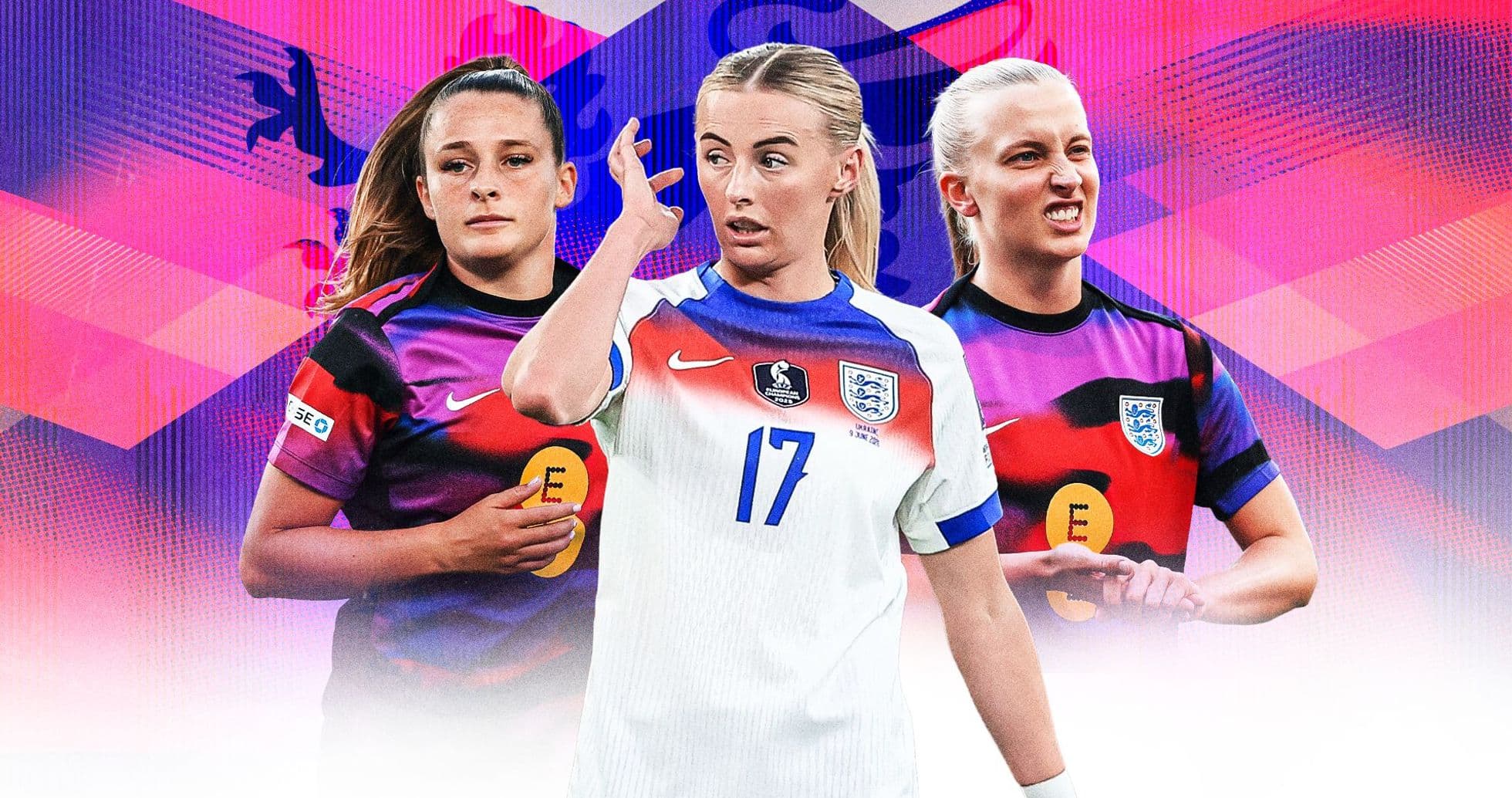
England, under Tuchel, opted for a 4‑1‑4‑1 – a slight departure from their more frequent 4‑2‑3‑1, but one that suited the occasion. Declan Rice anchored alone in front of a back four of Jarell Quansah, Ezri Konsa, Marc Guéhi and Djed Spence. Ahead of Rice, Bukayo Saka, Morgan Rogers, Eberechi Eze and Marcus Rashford formed a fluid attacking band behind Ivan Toney.
The selection was bold. Jude Bellingham and Harry Kane, two of England’s top scorers in the tournament (7 and 6 goals in total respectively), started on the bench. So did Anthony Gordon, who had 3 assists in total this campaign. Tuchel effectively bet on tempo, transition threat and vertical running rather than pure star power.
Injury absences added another layer. For France, William Saliba was ruled out with a back bruise – a significant loss given his profile as a stabilising centre-back. For England, Kobbie Mainoo missed out with a wound, removing a progressive, press-resistant option in midfield. Both coaches had to adjust their balance between control and chaos.
Discipline also hung over the match narrative. In total this season, France’s yellow-card timing showed a late-game spike: 33.33% of their bookings came between 76–90 minutes, another 16.67% between 91–105. England’s card profile was more evenly spread, but they had already seen one red card in the 46–60 minute window this World Cup – and Quansah, starting again, carried that reputation from his tournament record of 1 yellow and 1 red in 3 appearances.
Key Matchups – Hunter vs Shield, Engine Room vs Chaos
The headline duel was always going to be Mbappé against England’s defensive structure. Mbappé came into this match as the tournament’s most devastating forward: 10 goals and 4 assists in total, with 36 shots and 23 on target, plus 18 key passes. He had even lived the full penalty arc: 2 penalties taken, 1 scored, 1 missed, a very visible 50.00% success rate that underlined both his courage and fallibility from the spot.
Tuchel’s answer was layered. Quansah and Guéhi were tasked with handling Mbappé’s depth runs, while Konsa and Spence had to manage the wide overloads created by Olise and Doué. Rice’s role was to block the inside lanes into Mbappé’s feet and prevent Cherki from turning between the lines. Rice’s tournament numbers – 331 passes with 92% accuracy and 17 key passes, plus 11 tackles and 5 interceptions in total – show a player who can both screen and launch.
On the French side, the “engine room” matchup revolved around Zaïre‑Emery and Rabiot against Rice and the roaming Eze. With Michael Olise leading the World Cup assist charts on 7 in total, and adding 17 key passes and 16 successful dribbles, France’s right side was designed to pull England’s block apart. Olise’s duel with Rashford and Spence down that flank was as much about pinning England back as it was about chance creation.
For England, the creative load was distributed. Saka arrived with 3 goals and 3 assists in total, plus 8 key passes and 7 shots on target. His tendency to attack the inside-right channel meant direct confrontation with Theo Hernandez and Rabiot’s cover. Eze, a natural drifter between lines, could pull Konaté and Lacroix out of their comfort zones, particularly with Toney occupying the central defenders.
The bench added further tactical vectors. Deschamps could turn to Ousmane Dembélé and Bradley Barcola – 6 goals and 2 assists in total for Dembélé, 3 goals and 1 assist for Barcola – to tilt the game into a pure wide 1v1 contest. England’s ability to respond with Bellingham, Kane and Gordon meant Tuchel always had a second wave of firepower if the initial 4‑1‑4‑1 lost its edge.
Statistical Prognosis and What the Scoreline Tells Us
Heading into this game, both teams had scored 20 goals in total across 8 matches, but their defensive profiles were subtly different. France’s overall goal difference stood at +10 (20 scored, 10 conceded), while England’s was +8 (20 scored, 12 conceded). England were more open, especially away, but they also carried more consistent away scoring power.
France’s clean sheet count – 4 in total – suggested they could lock games down, but the pattern of their biggest home defeat (4‑6) hinted that when their structure broke, it broke catastrophically. England, with only 2 clean sheets in total, were less stable but used their attacking volume to overwhelm opponents.
In a match without extra time or penalties, the 6–4 full-time scoreline essentially confirmed the statistical warning signs. England’s away attacking average of 3.3 goals per game in total play was almost matched in one half here, while France’s vulnerability to high-scoring shootouts at home resurfaced. The fact that France’s only recorded biggest home loss before this was also by a 4–6 margin gives this result an almost eerie symmetry.
From a probabilistic, xG-style lens – even if not explicitly provided – the structural indicators pointed to England having a marginal edge in transition efficiency, especially with their away scoring record and the presence of direct runners like Saka, Rashford and Toney. France’s reliance on Mbappé’s individual brilliance and Olise’s service always meant they could trade blows, but without Saliba and with full-backs aggressively positioned, the defensive floor was lower.
The 3rd Place Final often exposes the rawest version of a team’s footballing DNA. In Miami, France and England lived up to their tournament numbers: high tempo, high risk, high reward. England’s slightly sturdier midfield shield and devastating away scoring pattern tilted the balance, turning a statistical edge into a chaotic, unforgettable 6–4 that felt less like a consolation and more like a final act of pure, unfiltered attacking football.