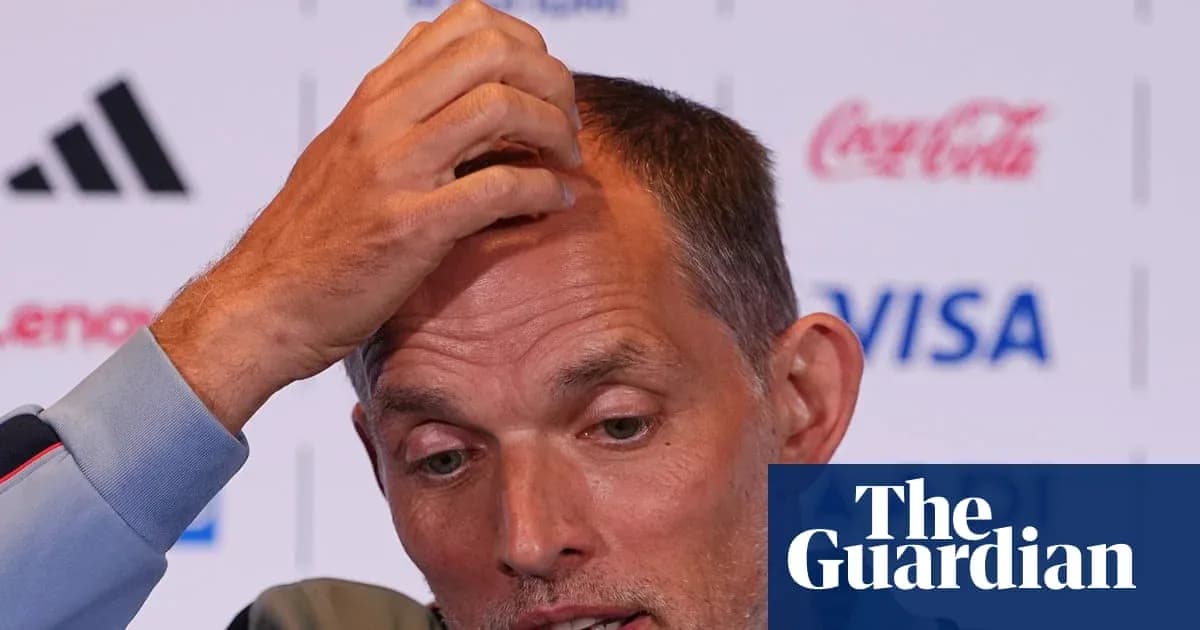
England vs Panama: Tuchel's Tactical Dilemma
In another universe, Thomas Tuchel would be wrestling with only one question before England meet Panama: protect Harry Kane’s legs or let him chase the Golden Boot. This was supposed to be the free hit, the dead rubber, the afternoon when Ollie Watkins and Ivan Toney finally got a proper World Cup run-out while the captain watched from the bench.
That plan vanished in New Jersey.
A flat, goalless draw with Ghana has left England’s group open and their schedule brutal. Four games in 13 days loom if they go deep, and Tuchel no longer has the luxury of rotating at will. Top spot is still on the line. The handbrake, for now, has to stay off.
Rotation under pressure
There will be changes against Panama, but they come with caveats and risk. Declan Rice is one yellow card from a ban and finished the Ghana game with strapping on his left calf. Tuchel will be tempted to protect him. The loss of Reece James is far more damaging.
James’s latest hamstring problem, which will rule him out for at least two games, feels like a grimly familiar storyline. Tuchel knew the right-back’s injury record. He gambled anyway. Now it has come back on him at precisely the moment England need width and incision against deep defences.
The squad build looks exposed. Only three attacking full-backs made the cut. Tino Livramento, another with a fragile history, has already left the camp and been replaced not by another raiding full-back but by centre-back Trevoh Chalobah. Suddenly, the burden of providing thrust from the flanks falls heavily on Nico O’Reilly’s young shoulders.
The alternatives at right-back – Ezri Konsa, Jarell Quansah, Djed Spence – are all more comfortable defending than raiding. None offers what James or a discarded Trent Alexander-Arnold might have brought in the final third. That decision, already debated when the squad was named, will now be pulled apart in forensic detail.
What should have been a straightforward assignment against the group’s fourth seeds has turned into something else entirely. The draw with Ghana means England cannot ease off. They have to win the group the hard way.
Kane, Bellingham and the search for rhythm
So does Tuchel keep Kane and Jude Bellingham on the pitch or roll the dice with his depth? Some of the stars will have to start. Tuchel will not want to risk finishing second and tumbling into a more hazardous knockout path, and he knows England need to rediscover their rhythm after a familiar pattern: a vibrant opening win over Croatia, followed by a stodgy second outing.
There is no sense of panic around Tuchel, but he is under no illusions about where England are falling short. His team still struggle badly against low blocks. Ghana’s compact 4-5-1 turned the game into a slog. Panama, coached by Thomas Christiansen, will almost certainly try to do the same.
Panama are already out after 1-0 defeats to Ghana and Croatia, yet they have been awkward opponents. This is not the side that was ripped apart 6-1 by England at the 2018 World Cup. They sit deeper, defend in numbers and relish turning games into attritional contests.
Tuchel expects a difficult evening against a team whose back five can easily become a back six or seven. He knows, too, that some of England’s most lifeless displays in recent years have come against this type of opponent. Give them grass to run into and they can be exhilarating – as Croatia, Serbia and Wales discovered. Ask them to unpick a packed defence and the ghosts of Andorra, Albania and Latvia reappear.
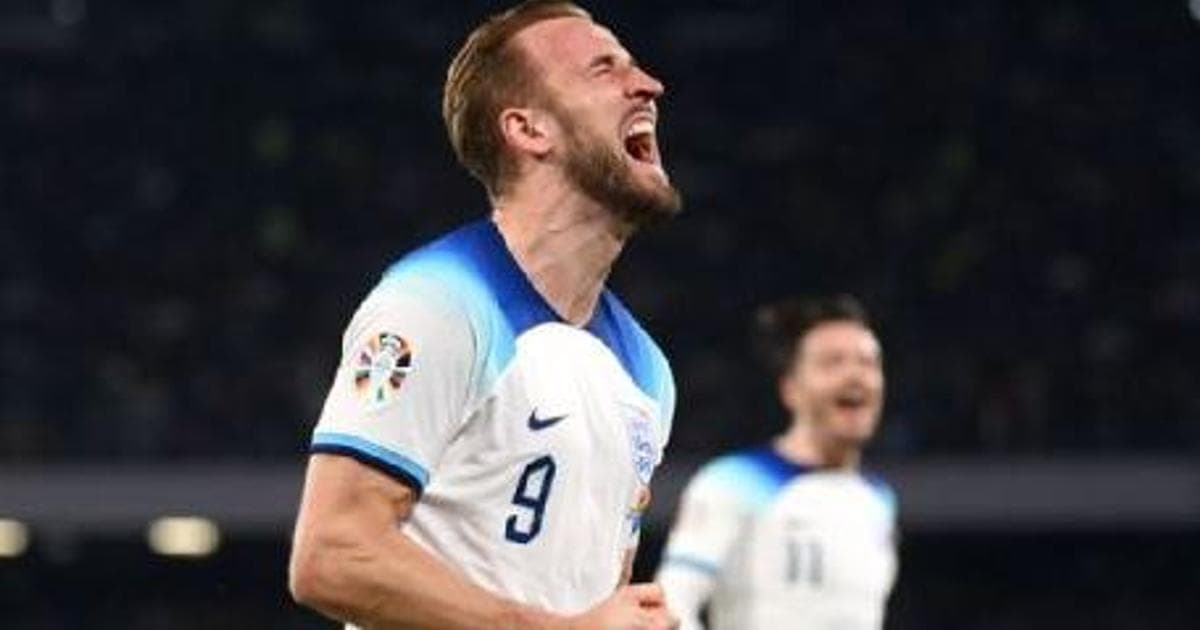
Ghana followed that template. Thomas Partey shadowed Kane, smothering the captain’s instinct to drop off and knit play together. The numbers told the story. Kane had only 19 touches and combined with Bellingham just three times. England had 78.8% of the ball yet failed to register a shot on target until after the interval.
The missing recipe
Tuchel has not cracked the code. He admitted as much afterwards.
He wants England to be proactive, to control games, to build carefully and then accelerate at the right moments. He wants overloads in key areas, angles, combinations, rehearsed patterns. Against Ghana, he saw none of it. Against Panama, he is not expecting many natural overloads either.
That leaves him with an uncomfortable truth: England must take more risks with the ball. They have to avoid the little traps Panama will set to break up play and counter. They have to be braver.
Bellingham’s frustration against Ghana was obvious. He kept showing, demanding the ball, only to be overlooked or crowded out. Then came the rash moment, a needless foul just before half-time, that summed up England’s irritation.
Tuchel needs more aggression from his centre-backs stepping into midfield, more courage to play through the lines. Kobbie Mainoo, with his composure in tight spaces, could come in if Rice is rested and help England turn sterile possession into something sharper.
Out wide, the message is simple: attack your full-back. Bukayo Saka is expected to be ready to start on the right after Noni Madueke’s subdued display. On the left, Anthony Gordon has struggled to replicate his promising link-up with O’Reilly from the Costa Rica friendly earlier this month. Tuchel admitted he briefly thought the left side was “solved”. Two competitive games later, the penetration and vertical runs have disappeared.
That opens the door. Marcus Rashford could replace Gordon, even if he has yet to convince Tuchel he can be decisive from the first whistle. The manager used him only in the 83rd minute against Ghana. Eberechi Eze or Morgan Rogers offer another route: start narrow, drift inside, combine with Bellingham, and try to overload central spaces instead.
On the opposite flank, the right-footed Spence offered little with the ball when he replaced the more adventurous O’Reilly at left-back against Ghana. The imbalance was stark. The left side lacked threat, the right side lacked fluency, and England’s attacks slowed to a crawl.
Tuchel has made it clear: that cannot continue. The left must start to hurt teams, not just hold its shape.
One moment of quality
Tuchel’s emphasis remains on the collective. He talks about his players embracing one-against-one duels, about forcing defenders to make decisions, about refusing to be lulled into passive circulation. Yet he also recognises that against low blocks, games often hinge on a single flash.
“It needs this one moment of quality,” he said after Ghana, pointing to better crossing, more aggressive arrivals in the box, more shots from distance, deflections, scruffy goals forced over the line. Control alone will not be enough.
He is trying to keep perspective. He knows Carlos Queiroz’s Ghana are a nightmare in group stages – a team that celebrate every duel, every counterattack, every foray over halfway as if it were a goal. They did exactly that in New Jersey and walked away treating 0-0 like a famous win.
England live in a different world. Draws like that are not celebrated, they are dissected. Expectations demand more than sterile dominance and late half-chances. Against Panama, with qualification secured but the group still in the balance, the pressure will not be to simply win. It will be to entertain, to lift the mood, to stride into the knockouts with conviction rather than a frown.
Tuchel knows what is required. He has to find a way, at last, to unpick the low block – and to finally release the handbrake on a team built to attack.