England's World Cup Concerns: James, Saka, and Rice Injuries
England’s World Cup campaign is barely out of first gear, yet it already feels like a full emotional season has been crammed into a fortnight.
From the defensive shambles against Croatia to the exhilarating response after the break, from that surge of belief to the flat, goalless draw with Ghana, Thomas Tuchel has seen his team swing from fragile to formidable and back again. England still sit where they wanted to be: top of the group, with Panama to come and qualification virtually sewn up. But the mood music has changed.
Now the soundtrack is the thud of medical reports landing on the manager’s desk.
James worry casts a shadow
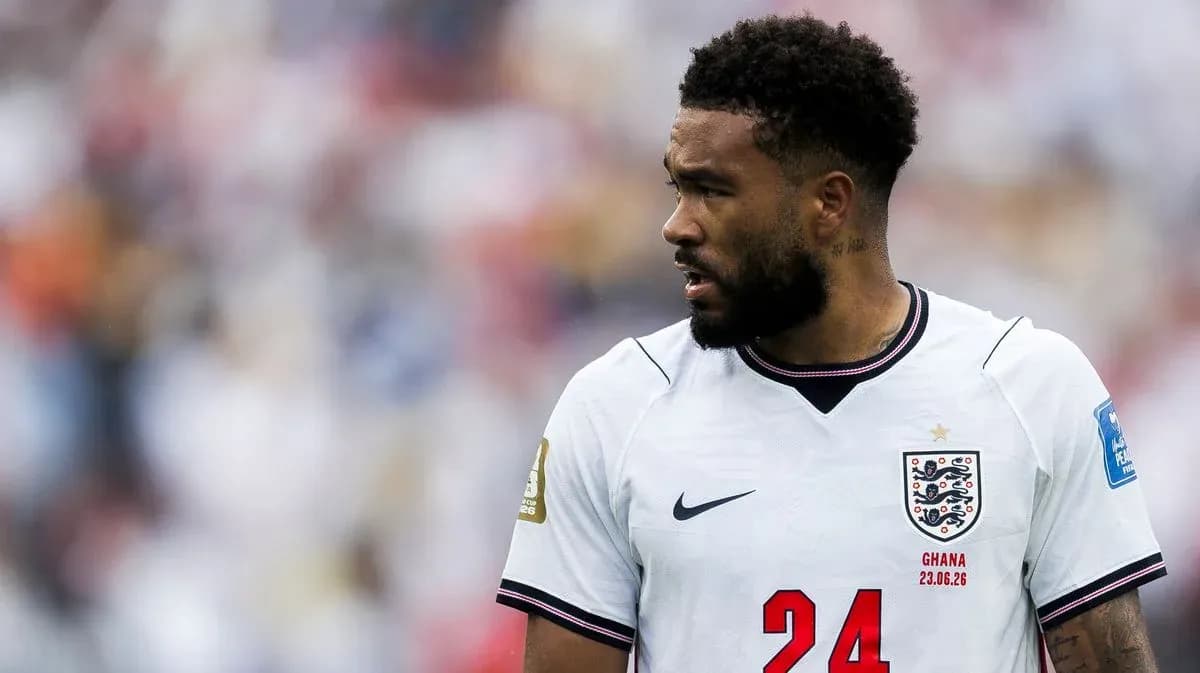
Reece James is the latest and most serious concern. The Chelsea defender missed the final training session in Kansas City with a hamstring problem before the squad flew to New Jersey, and the alarm bells are ringing loudly enough for the FA to stress he is on an individual programme with no firm return date.
At 26, James has already lost big chunks of recent seasons to similar issues. This is not a one-off twinge. It’s a pattern, and it has arrived at the worst possible time for Tuchel.
He is expected to miss the Panama game and, more importantly, there is real doubt over his availability for the knockout phase. For a coach who has built so much of his structure and balance around England’s best all-round right-back, that is a problem that goes far beyond Sunday morning.
The timing is brutal. Tino Livramento, the natural understudy and the closest thing in the squad to a like-for-like replacement, was ruled out on the eve of the tournament. Tuchel went into this World Cup knowing he was walking a tightrope at right-back. James has just wobbled on it.
Panama a soft landing – but what comes next?
With respect to Panama, there are tougher fixtures to face without a key defender. If there was a game to rest James anyway, this would probably have been it. England are in control of the group, qualification is all but done, and the opposition are not Croatia or Brazil.
The real fear lies beyond. If James’ absence stretches into the knockouts, Tuchel’s selection gambles come under the microscope.
Ezri Konsa is expected to slide across from centre-back to cover on Saturday, with Jarell Quansah another option. Both are composed, modern defenders, comfortable on the ball and strong in duels. Neither is a natural right-back in the James mould. Neither offers his range of delivery, his overlapping threat, or his ability to step into midfield and dictate.
Over one game, against limited opposition, that compromise is manageable. Over a tournament, it starts to look like square pegs jammed into a round hole.
The omission of Trent Alexander-Arnold looms larger with every scan result. Tuchel chose not to bring another orthodox attacking right-back, preferring versatility and centre-backs who can shuffle wide. If James cannot shoulder the majority of minutes, that decision will be thrown back at him.
Djed Spence is in the squad and can play on the right, but has increasingly operated from left-back despite being naturally right-footed. Again, it’s a workaround, not a clean solution.
Saka and Rice: Arsenal’s price
James is not alone in the treatment room queue. Bukayo Saka arrived in camp carrying an Achilles problem and has been carefully managed. So far he has been restricted to cameos from the bench, pushing to start but kept on a leash.
England have felt his absence. Noni Madueke showed flashes against Croatia, stretching the game and driving at defenders, but Saka is the established match-winner from that flank, the player who shifts the rhythm of an attack with one sharp touch inside or dart in behind.
Declan Rice, too, is under scrutiny. He finished the Ghana draw with a dressing around his calf and was seen struggling late on. Reports suggest he has been managing issues for months. The problem that kept him out of Thursday’s training is said not to be serious, yet the warning signs are obvious.
Both Saka and Rice have just come off a punishing domestic season with Arsenal, crowned by a first Premier League title in more than 20 years. They carried the Gunners over the line. Now the bill for that effort is landing at England’s door.
Lose Rice and Tuchel loses his midfield anchor, the man who shields the back four and sets the tempo from deep. Lose Saka and he loses his most reliable wide threat. Lose James and the entire right side of the structure starts to creak.
Tuchel’s hand, and the risks he took
This is where selection policy and tournament reality collide. Tuchel backed James as his main man at right-back and declined to double up with another natural in that role. He leaned into flexibility, trusting that one specialist would be enough.
If James shrugs off this latest setback and starts most of England’s games, the debate fades. The plan holds. If he doesn’t, the questions sharpen.
Why no Alexander-Arnold? Why no extra orthodox right-back, given James’ injury record at Chelsea? Why construct a squad that leaves you leaning on centre-backs to mimic a role that demands pace, width and delivery?
For Panama, the likely XI still looks strong: Jordan Pickford behind a back four of Konsa, John Stones, Marc Guehi and O’Reilly; Adam Anderson and Kobbie Mainoo in midfield; Saka, Jude Bellingham and Marcus Rashford supporting Harry Kane.
On paper, that team should finish the job and seal top spot. On grass, the bigger story is who is missing, and for how long.
England’s group finale should have been a gentle glide into the knockouts. Instead, it has become a test of Tuchel’s squad-building choices and the medical team’s powers of recovery. The football has already swung from chaotic to commanding and back again.
Now the real question hangs over the touchline: can England’s most carefully laid plans survive a World Cup that is only just getting started?