England's World Cup Squad: Tuchel's Bold Selections and Risks
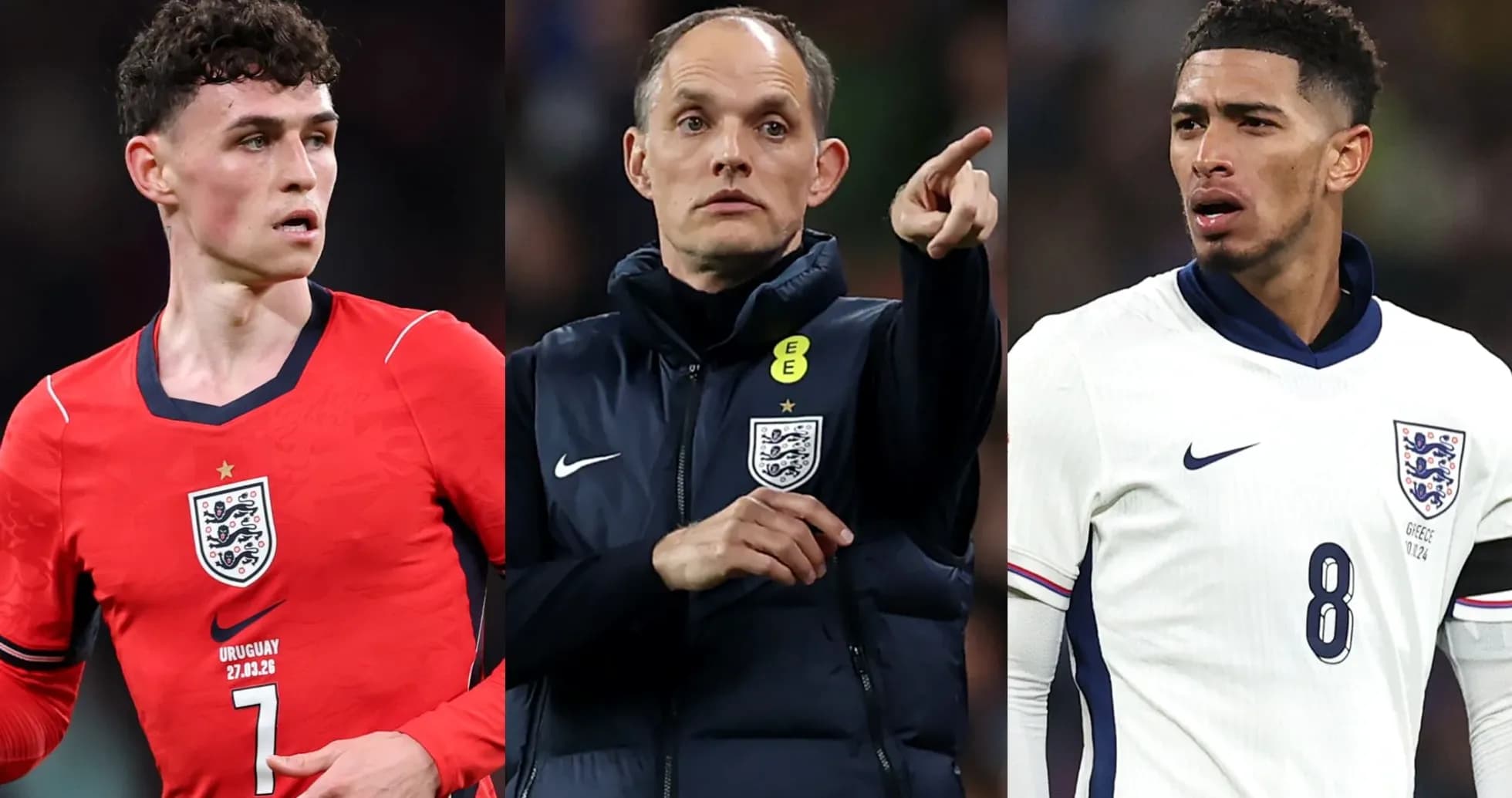
Thomas Tuchel has made his call. Fifty-five names have been cut to a hardened World Cup group, and England now know who will carry the weight of a restless nation across the Atlantic.
This is not a squad built around automatic picks and sacred cows. It is a squad built around risk.
Bellingham at the heart of a crowded creative class
The fiercest arguments came in the area where England are richest: the creators. For weeks, the debate circled around who should run the game between the lines. In the end, there was only ever one favourite.
Jude Bellingham, the Real Madrid superstar, is set to wear the No.10 mantle. He arrives as a fully-fledged Galactico, a player used to deciding seasons, not just matches. Tuchel will build a large part of his attacking structure around him.
Behind Bellingham, the options are lavish. Eberechi Eze, fresh from Premier League title glory with Arsenal, forces his way in as a different kind of artist, one who can glide past pressure and unlock low blocks. Aston Villa’s Morgan Rogers adds another angle, a flexible attacking midfielder who can slide into wide or central roles as the game demands.
Those choices come at a cost. Phil Foden’s inability to hit his usual heights at Manchester City has proved fatal to his chances. Cole Palmer, England’s Men’s Player of the Year in 2024, sees his own remarkable rise stall after a 14-game goalless run for club and country. At this level, form is not a footnote. It is the dividing line.
Morgan Gibbs-White, fresh from a career-best 17 goals for Nottingham Forest, also finds the door closed. In almost any other era, that output would have made him a lock. In this one, it barely earns a conversation.
Kane leads a ruthless forward line
At the top of the pitch, there is no debate. Harry Kane, record-breaking captain and standard-bearer, will lead the line and chase down another chapter of goalscoring history. His presence is the constant in a forward unit that has otherwise been shaken up.
Ivan Toney, now operating in the Saudi Pro League, has often found himself on the outside under Tuchel. Not this time. His recall arrives at the perfect moment, a nod to his penalty prowess, physical presence and ability to change the rhythm of a game late on.
Ollie Watkins, the hero of that Euro 2024 semi-final against the Netherlands, also travels with the conviction that he can turn tight knockout ties. His movement and relentlessness give England a very different threat when Kane rests or drifts deeper.
On the flanks, there is a surprise. Noni Madueke makes the cut despite not being a guaranteed starter at Arsenal. His rawness is offset by electric one‑v‑one ability, something Tuchel clearly believes he can refine on the biggest stage. Alongside him, Barcelona loanee Marcus Rashford and Newcastle’s Anthony Gordon bring power, pace and the flexibility to operate wide or through the middle. Both can stretch a back line; both can finish.
Veteran strikers Danny Welbeck and Dominic Calvert-Lewin miss out despite a combined 27 Premier League goals for Brighton and Leeds in 2025-26. Jarrod Bowen’s tireless work for a struggling West Ham side also goes unrewarded. In a tournament squad, there is only so much room for nearly men.
Newcastle winger Harvey Barnes, overlooked again, may privately wonder if that chance to switch allegiance to Scotland was the sliding door moment of his career.
Midfield balance and a redemption arc
Jordan Henderson remains. In a squad increasingly shaped by younger, more explosive profiles, the former Liverpool captain still offers leadership, control and a voice in the dressing room that Tuchel clearly values.
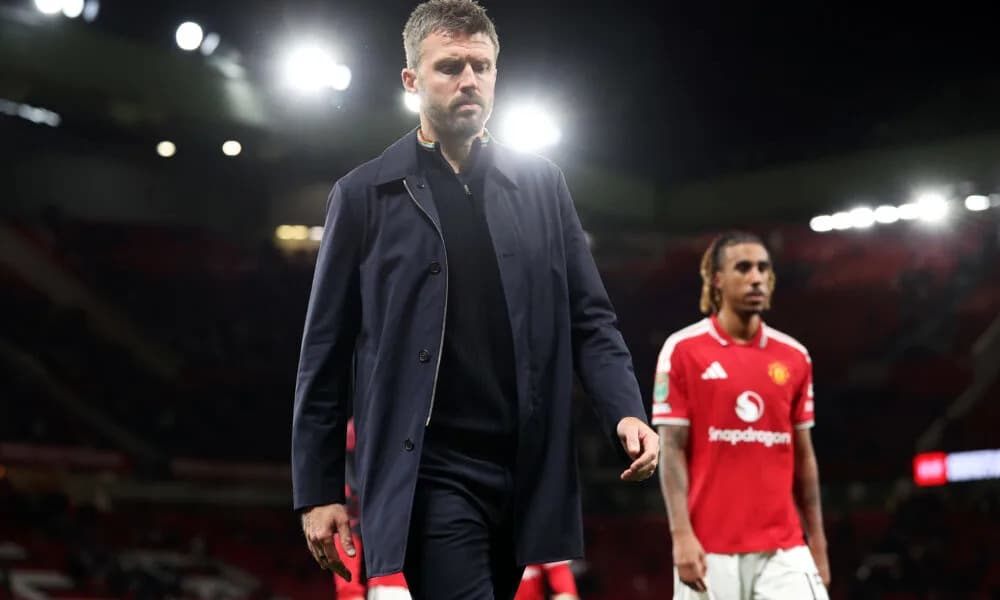
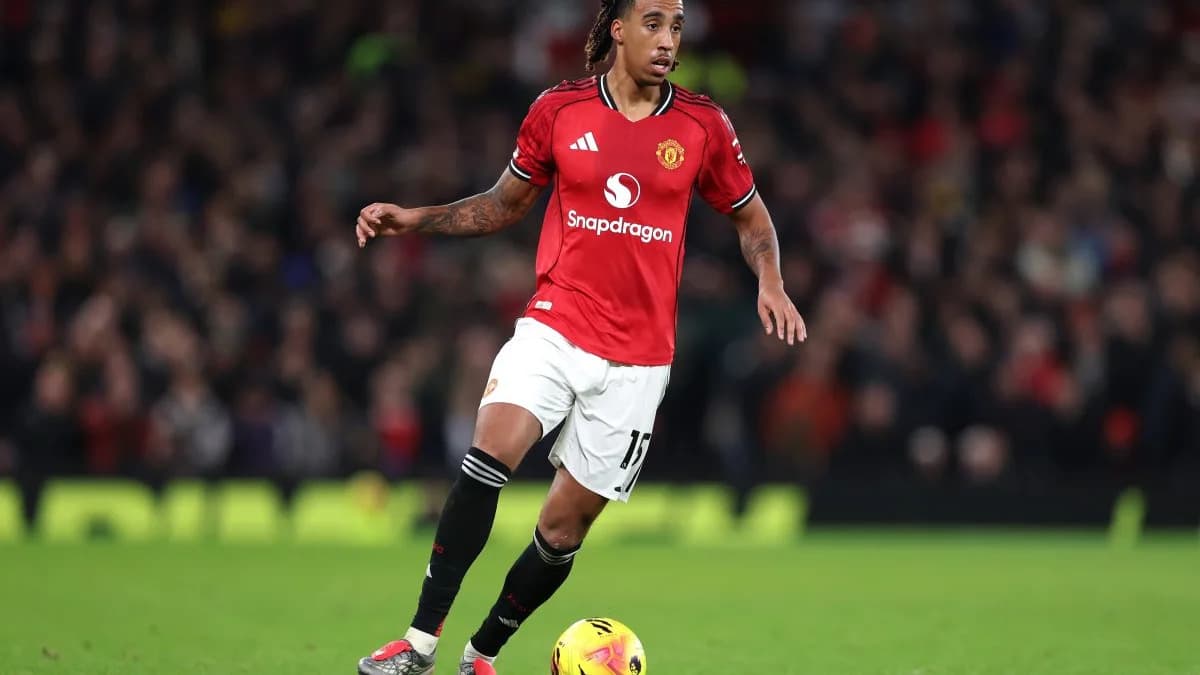
Alongside him, one of the more compelling stories of this squad: Kobbie Mainoo. Written off by some earlier in the season, his revival under Michael Carrick at Manchester United has been emphatic enough to drag him into the World Cup conversation—and now onto the plane. It is a late surge that speaks to Tuchel’s willingness to reward those who finish the season at full throttle.
Others have fallen away. Crystal Palace’s Adam Wharton and Everton’s James Garner both slide off the bottom of a crowded deep-lying midfield depth chart, squeezed out by the sheer volume of options and the tactical balance Tuchel wants in the centre of the pitch.
Defence: big names, bigger calls
At the back, the headlines are just as stark. John Stones, heading towards free agency after an injury-hit campaign at Manchester City, still earns the manager’s trust. His composure and experience in major tournaments carry more weight than his recent lack of rhythm.
Reece James, now firmly established as Chelsea captain, has become the reference point at right-back. When fit, he offers defensive solidity, playmaking from deep and set-piece quality. He will start as the man to dislodge.
On the opposite side, Nico O’Reilly and Djed Spence will scrap for the left-back berth. Neither arrives with the aura of an automatic pick, which sets up a genuine battle in camp and in the two warm-up games.
The absentees tell their own story. Harry Maguire, a mainstay of recent England tournaments, has not hidden his disappointment at being left out. His record in an England shirt is formidable, but Tuchel has chosen to move on.
Trent Alexander-Arnold, now of Real Madrid, and Newcastle’s Lewis Hall both fail to nail down full-back spots. Ben White, Arsenal’s versatile defender, sees his hopes wrecked by injury at the worst possible moment. At World Cups, timing can be as cruel as any opponent.
The road through America
In goal, there are no shocks. Stability, not experimentation, rules in that department. The more interesting questions will be asked of those in front of the keepers as England adapt to conditions in the United States.
Two friendlies will shape the final tweaks. New Zealand on June 6, Costa Rica on June 10. Those games will not be about statements; they will be about rhythm, combinations and match fitness. Tuchel is expected to spread minutes widely, probing for partnerships and late bolters before the real thing begins.
Then comes the World Cup itself.
England open against Croatia on June 17 at AT&T Stadium in Arlington, Texas—a venue built for noise, scale and spectacle. From there, they head to Gillette Stadium, home of the New England Patriots, to face Ghana on June 23. The group stage closes at MetLife Stadium on June 27 against Panama, in the very arena that will host the final.
If England are still there on that last night in New Jersey, this squad—its bold calls, its ruthless omissions, its calculated risks—will be remembered as the moment Tuchel put his own stamp on the Three Lions. If not, the inquests over those same decisions will be just as fierce.