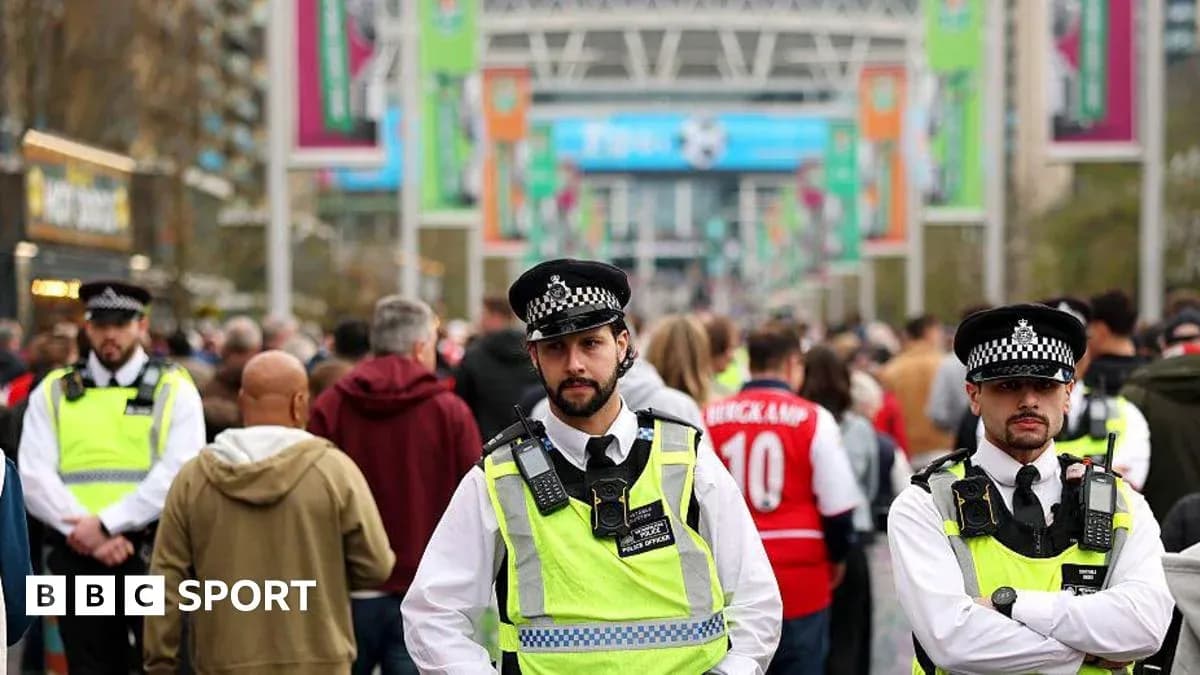
First Convictions Under New Tailgating Law After Carabao Cup Final
The Carabao Cup final at Wembley has produced a landmark off the pitch as well as on it.
Two men have become the first in England to be convicted under new legislation targeting unauthorised entry to football matches, brought in just before Manchester City’s 2-0 win over Arsenal on 22 March.
The law, designed to clamp down on tailgating and ticketless entry, was in force for the first time at a major showpiece. Police moved quickly. Three men were arrested under the new powers; two have now been sentenced, with the third due in court on 1 May.
At Willesden Magistrates’ Court on 10 April, both men were hit with three-year football banning orders.
- Kamal McEwan was fined £471 for unauthorised entry.
- Alex Clark received a far heavier penalty: a £1,862 fine for unauthorised entry and possession of a Class A drug.
Wembley’s hierarchy wasted no time in underlining what this moment means for matchday security.
“This new legislation is already having a real and immediate impact,” said Wembley Stadium director Mark Lynch.
He pointed to a long-standing problem: there had previously been no specific criminal penalties for those attempting to get into the stadium without a ticket, piling pressure on crowd safety teams and stewards on the ground.
That gap has now been closed. Lynch made it clear that the days of viewing tailgating as a minor nuisance are over, stressing that offenders will face “large fines and lengthy football banning orders”.
The Metropolitan Police echoed that hard line. Chief Inspector Pete Dearden praised the swift action of officers at the Carabao Cup final and said the convictions show that antisocial, dangerous and criminal behaviour at football will be met with “firm enforcement action”.
He underlined that the police will continue to work with the Football Association and other partners to stop the small minority intent on causing harm or disruption.
One showpiece game, two convictions, and a clear signal: the turnstiles at English football’s biggest stadium now mark not just the entrance to a match, but the front line of a tougher legal era.