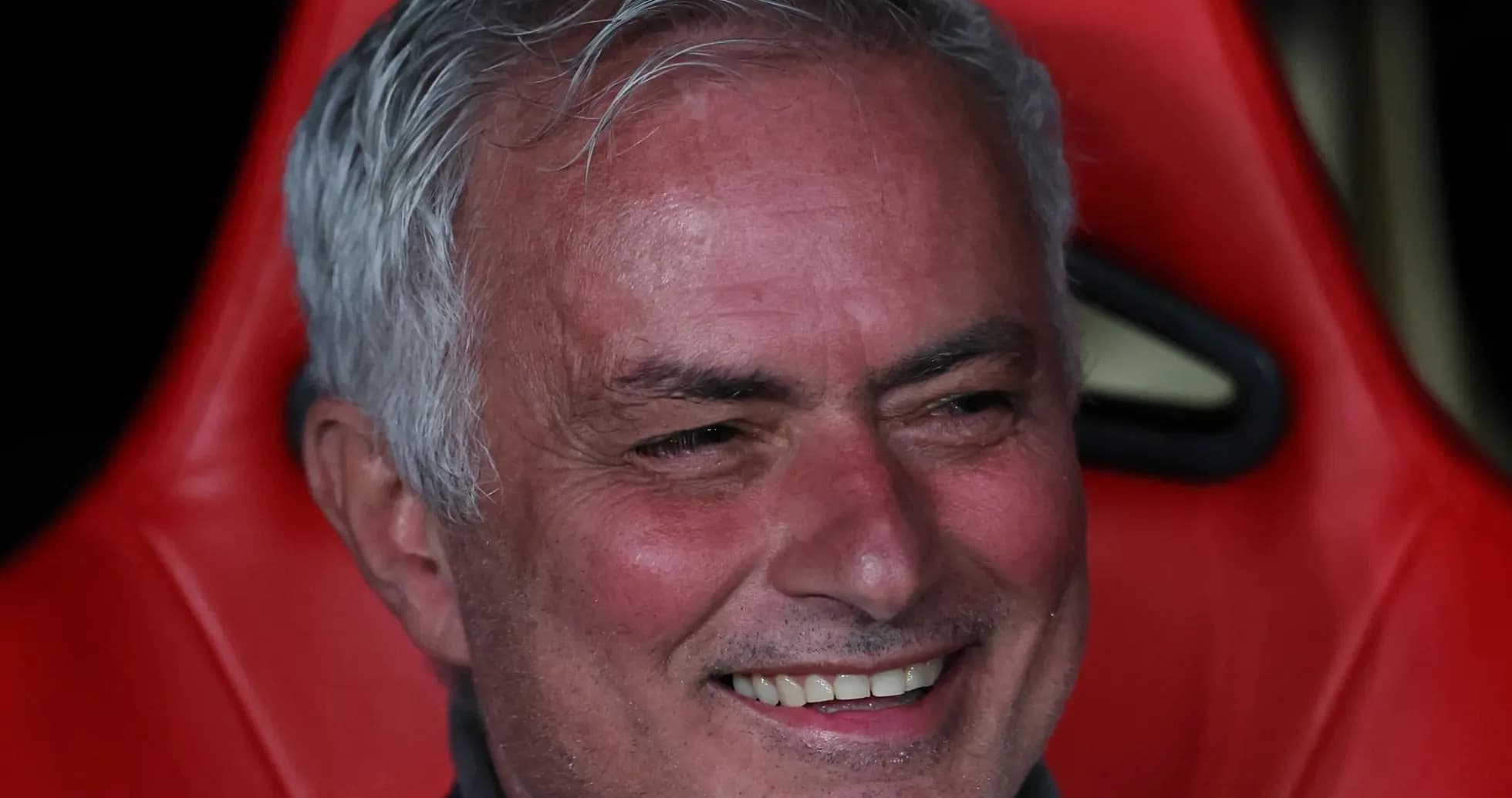
Florentino Pérez Wins Election and Mourinho Returns to Real Madrid
Florentino Pérez walked back into the presidency he has dominated for more than two decades with the air of a man who never really left. Real Madrid’s members handed the 79-year-old another emphatic mandate on Sunday, and with it, the keys to one of the most explosive managerial comebacks in modern football: the return of José Mourinho.
The club confirmed Pérez took 65 percent of the vote, comfortably swatting aside 37-year-old challenger Enrique Riquelme. For all the noise around change, the socios chose continuity – and, crucially, chose the man ready to bet again on one of the most divisive coaches of his era.
“We have won the elections and will continue working to keep winning titles,” Pérez told the members in his victory speech, his message as blunt as ever: Real Madrid is about trophies, and he still believes he is the man to deliver them.
Mourinho, Back to the Bernabéu
The result removes the final obstacle to Mourinho’s return. The Portuguese coach, now 63, is expected to be announced as Real Madrid’s new manager as early as Monday. Thirteen years after he last stalked the touchline at the Santiago Bernabéu, he is on his way back, with Madrid set to pay Benfica a reported €15 million release fee.
This is not nostalgia for nostalgia’s sake. It is a calculated gamble by Pérez after a bruising 2025–26 campaign in which Madrid finished without a major trophy for the second season running. For a club that measures itself in European Cups and league titles, that is an alarm bell, not a blip.
Pérez did not hide his excitement at the reunion. “We will continue to take pride in the Santiago Bernabéu stadium, the best stadium in the world,” he said, before turning to the pitch and the dugout. “Proud to have the best players in the world, proud to welcome back one of the best coaches in the world, a Madridista like Jose Mourinho.”
The coach himself had already teased the move. In a brief video on Pérez’s campaign Instagram account last week, Mourinho appeared in a Real Madrid shirt and offered a single word: “Yes.” It was all he needed to say. The rest was done at the ballot box.
A Volcanic History
Mourinho’s first spell in Madrid began in 2010 and burned white-hot. Across three seasons he collected one La Liga title, one Copa del Rey and a Spanish Super Cup, all while locked in an era-defining duel with Pep Guardiola’s Barcelona.
Those years were chaotic, confrontational, and utterly compelling. Mourinho relished the fight with Barça, turned Clásicos into street battles, and dragged Madrid back to the summit of Spanish football, even if the Champions League crown eluded him. He left scars and silverware in equal measure.
Bringing him back now is a statement. It says Pérez is willing to embrace volatility again to jolt a stagnant giant. It says the president believes the club needs Mourinho’s edge, his siege mentality, his ability to turn a dressing room into a bunker.
It also says he is ready to absorb the risk. Mourinho divides opinion like few others. If it works, Pérez will be hailed as the president who doubled down and won. If it implodes, the fallout will be spectacular.
Riquelme’s Promise, Pérez’s Power
Across the ballot, Riquelme tried to sell a different future. The businessman, three decades younger than Pérez, had vowed to pursue Manchester City and Norway striker Erling Haaland if he won. It was a bold, headline-grabbing pledge in a campaign that tried to tap into a desire for generational change.
The members listened. Then they backed the old master.
Real Madrid remains a club owned entirely by its socios, and Pérez leaned heavily into that identity. “Rest assured,” he said, “with me as president, Real Madrid has been, is, and will always remain owned by its members.”
That line matters. It reinforces the bond between a powerful president and a fanbase that expects both control and glory. It also underlines why this election was about more than a manager. It was about who shapes the next era of a club that refuses to stand still.
Eyes on the 16th European Cup
For all the talk of stadiums, ownership and elections, everything at Madrid eventually funnels back to one obsession: Europe. The club’s last two seasons without a major trophy have sharpened that focus.
“We will continue working so that Real Madrid keeps winning titles,” Pérez said. Then he went straight to the target that defines his presidency. “And we will fight until the end to achieve the 16th European Cup.”
That is the task now facing Mourinho. Not to relive 2010–2013, but to write something new, in a different era, with a different squad and a club that has grown even bigger around him.
Pérez has his mandate. Mourinho is on his way. The Bernabéu, rebuilt and reborn, is ready. The only question left is whether this second act can deliver the one prize that escaped them the first time.