Ranking France's 2026 Forward Line Among World Cup's All-Time Greatest Attacks
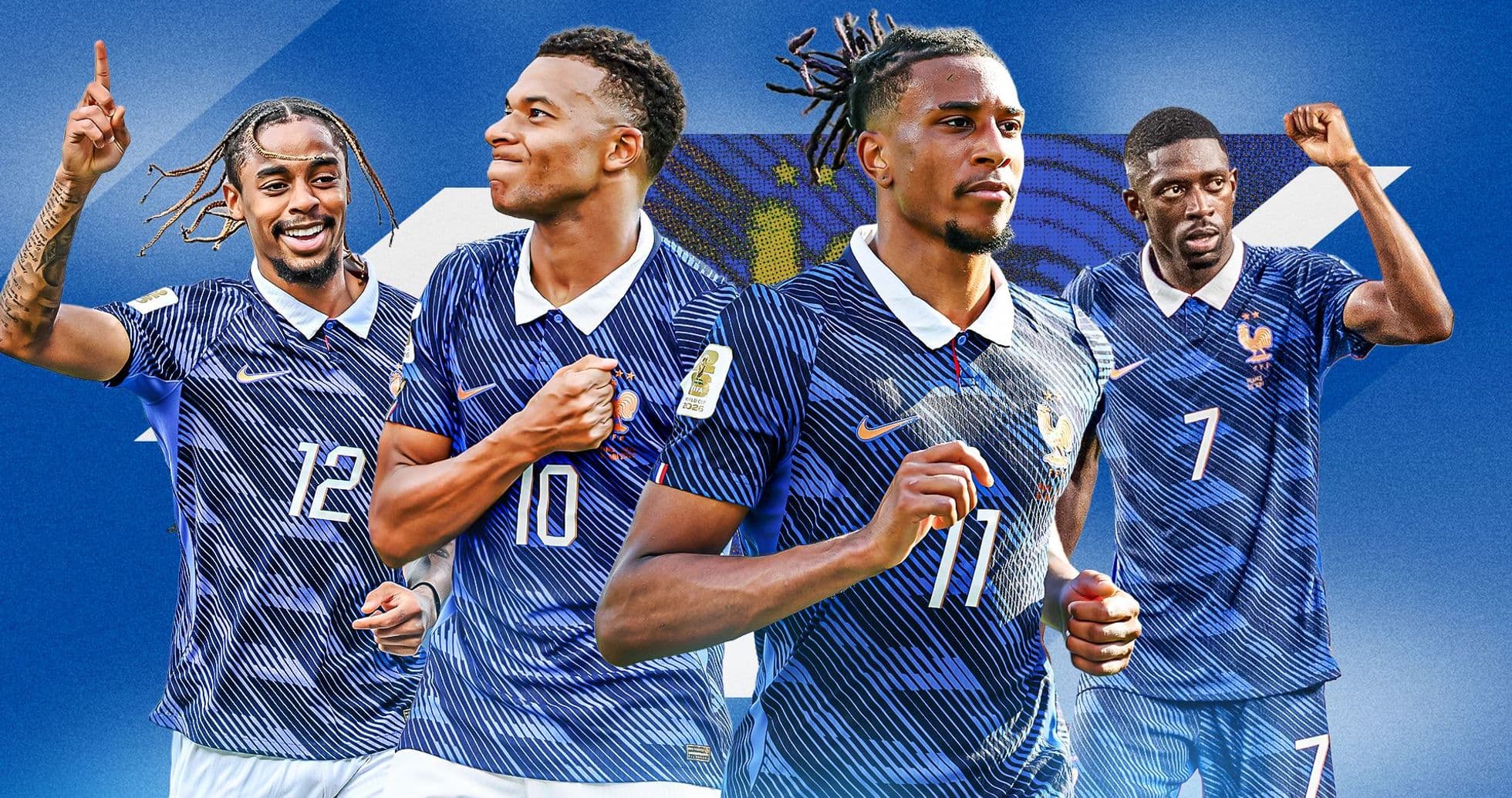
France’s attack has been the standout story of the 2026 World Cup. After sweeping through their group with three wins, Les Bleus cruised to a 3-0 victory over Sweden in the round of 32. At this point in the tournament, they lead all teams in scoring with 13 goals. Kylian Mbappe shines brightest, netting six goals in just four matches since joining Real Madrid.
Ousmane Dembele, currently holding the Ballon d'Or, trails closely with four goals, including a spectacular hat-trick in the 4-1 win against Norway that secured France’s top spot in Group I. Meanwhile, Michael Olise hasn’t scored yet but has created chances with five assists, nearly scoring a stunning overhead kick against Sweden that hit the post.
The depth of this French attack is evident as coach Didier Deschamps rotates forwards like Bradley Barcola and Desire Doue, who have already combined for three goals. If this pace continues, could they join the ranks of the World Cup’s greatest forward lines? GOAL counts down the top six historic attacks.
6. West Germany 1954
The 1954 champions were unexpected victors but earned it through resilience and firepower. Led by captain Fritz Walter, who holds the record for most World Cup assists (nine), the team bounced back from a heavy group-stage loss to Hungary. Max Morlock contributed six goals, including a crucial one in the final after early setbacks. Helmut Rahn was the hero in Bern, scoring both the equalizer and winning goal late in the match. Alongside Hans Schafer and Ottmar Walter, who each added four goals, West Germany finished with 25 goals, the second-highest total ever at a World Cup.
5. France 1958
Just Fontaine remains legendary for his 13-goal haul at the 1958 World Cup in Sweden, a record that still stands. Despite sharing the stage with a young Pele, Fontaine topped the scoring charts while supported by inside forwards Roger Piantoni and Raymond Kopa. Both Piantoni and Kopa scored three goals apiece; Kopa also set a record for nine assists during the tournament. France ended up third, powered by this potent trio.
4. Netherlands 1974
Johan Cruyff’s 1974 Dutch side revolutionized football with Total Football. Cruyff dazzled with three goals and three assists, flanked by wingers Johnny Rep and Rob Rensenbrink. The midfield presence of the attack-minded Johan Neeskens added extra firepower, contributing to ten goals combined. Although they lost the final to West Germany after leading, the team left an enduring legacy in style and effectiveness.
3. Hungary 1954
Often called the greatest team never to win the trophy, Hungary’s 1954 squad struck fear with a formidable front line. The quartet of Ferenc Puskas, Sandor Kocsis, Nandor Hidegkuti, and Zoltan Czibor scored 22 of Hungary’s 27 goals, with Kocsis netting 11 alone. Despite losing the final to West Germany in the famous "Miracle of Bern," this attack remains the highest-scoring unit in World Cup history.
2. Brazil 2002
The 2002 World Cup marked Ronaldo’s triumphant return, scoring eight goals to help Brazil clinch its fifth title. But Ronaldo wasn’t alone; Rivaldo and Ronaldinho provided flair and support, with Rivaldo earning Player of the Match honors twice. Ronaldinho's moments of brilliance, including a stunning free-kick, underscored why he would later win the Ballon d’Or.
1. Brazil 1970
Brazil’s 1970 team is often hailed as the finest ever assembled. Their forward line included Rivellino, known for his deadly left foot; Tostao, a clever creator and scorer; and Jairzinho, who scored in every match. At the center was Pele, who returned from a disappointing 1966 campaign to dominate with four goals and claim his third World Cup title. This squad introduced many fans to the beauty of Jogo bonito.
Where Will France Rank?
If France’s current attacking unit keeps performing, they might soon sit alongside these legendary forward lines. Mbappe’s goal-scoring, Dembele’s creativity and finishing, Olise’s playmaking, plus contributions from Barcola and Doue, offer a blend of skill and depth few teams can match. We think their place in World Cup history is still being written.