France vs Spain: A Tactical Battle That Could Shape Football's Future
France has sailed through this World Cup, their forwards given freedom to express themselves on the pitch. Yet, Didier Deschamps has harbored a persistent worry: how will his two-man midfield hold up against Spain’s three? Spain’s dominance in central areas has troubled opponents all tournament, and now France might be outnumbered where it matters most.
The question for Deschamps and his team is whether to change their approach to counter Spain’s midfield overload or rely on their potent attack, which has already netted 16 goals in six matches. Spain, known for their impeccable tactical structure, show no signs of changing their style. This could be why young star Lamine Yamal hasn’t shone like others; the Spanish system demands defined roles even from its brightest talents, often exhausting defenders assigned to mark them.
Spain’s defensive success stems partly from retreating their possession formation about 20 meters deeper, protecting their half from France’s lightning speed. Their defense concedes just one goal so far. This is backed by an aggressive counter-pressing style, regaining possession roughly every 11.57 seconds after losing it—quicker than any other quarter-finalist. They defend high up the pitch, which leaves space behind them that attackers like Kylian Mbappe and Ousmane Dembele are eager to exploit.
At first glance, this looks like a straightforward duel between the tournament’s best defence and best offence, but it’s far more layered. Spain will hold more possession near France’s goal, while Deschamps trusts his forwards to start attacks from deep positions. This balance of styles adds complexity beyond mere numbers.
Historical Rivalry and Evolving Styles
These neighbors have met often, with a rich recent history. Adrien Rabiot’s comments about Yamal needing to "do more" before the Euro 2024 semi-final underline their ongoing competition. Back then, Spain appeared freer and more youthful, while France struggled offensively. Since then, a lot has changed.
Spain’s attacking options have faced fitness setbacks, limiting their ability to stretch play. This has forced a compact, sometimes criticized, structure. Meanwhile, France has welcomed a wave of young talent turning them into entertainers once more. Michael Olise stands among the world’s top five players, Desire Doue shines as a young star, and others like Bradley Barcola and Dembele have transformed their roles. Mbappe looks revitalized.
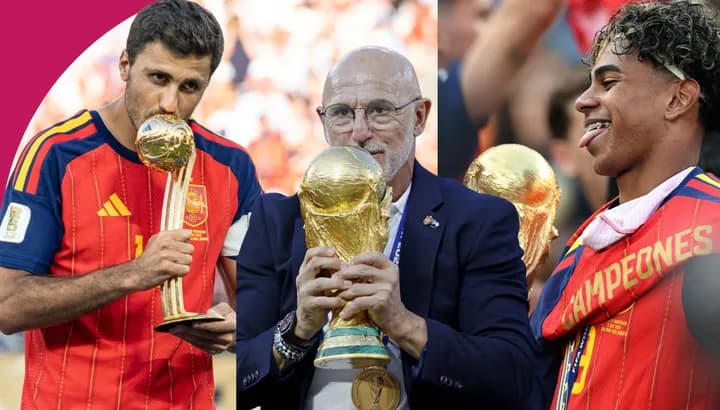
Deschamps, ever pragmatic, built a team unlike his previous French sides—one focused more on individual creativity within a pragmatic framework. This sets the stage for a philosophical clash: Spain’s positional, Guardiola-inspired game against France’s freer, relation-based style. Spain’s play is heavily dictated by structured positioning, with some creative freedom allowed to players like Yamal and Dani Olmo. France’s attackers, however, enjoy wide latitude to interpret situations individually.
A Duel of Philosophies and Personnel
This confrontation could ignite debate on football’s future tactics. Spain’s precise positional game is unique, and few can match it. But France’s approach relies on extraordinary attacking talent, something not easily replicated.
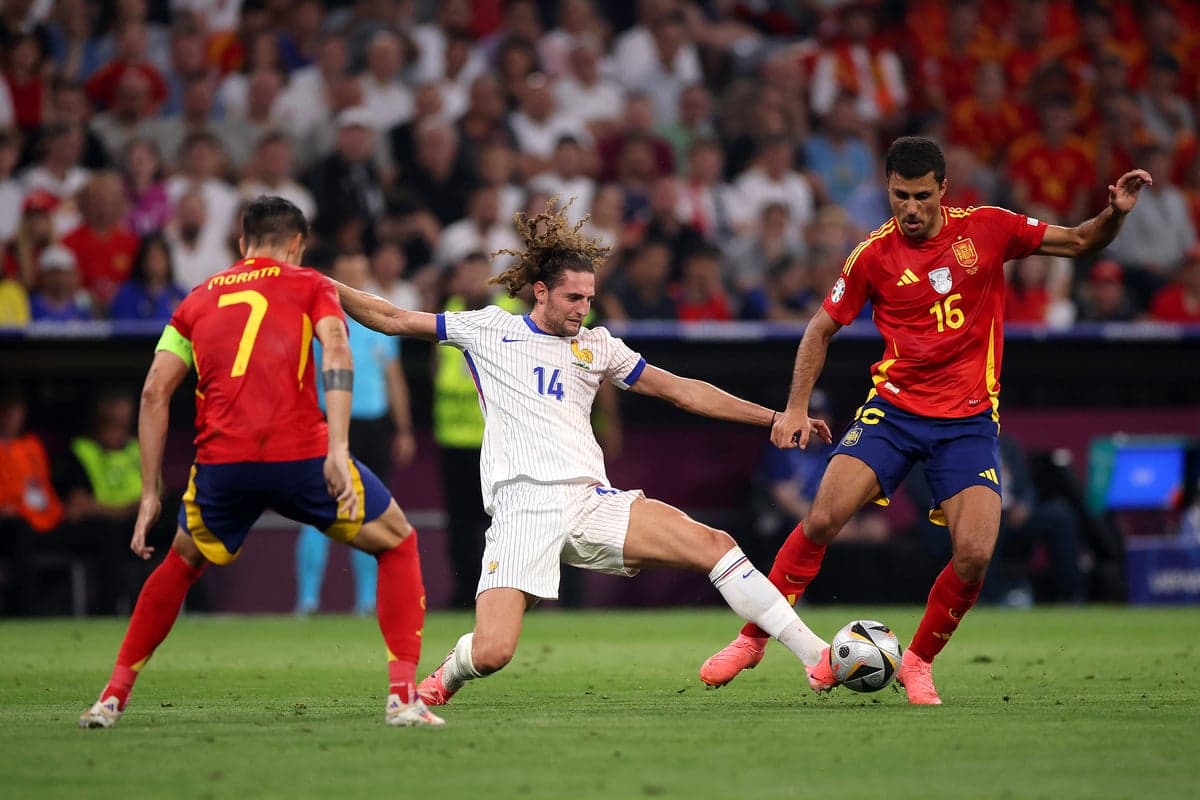
France’s midfield pairing of Rabiot and Aurelien Tchouameni reflects necessity rather than archetype, as they lack a classic number six like Spain’s Rodri. Spain even keeps such players on the bench. This puts pressure on France to do more in midfield despite their attacking strengths.
The match is expected to see Spain controlling possession, gradually advancing while France looks to strike quickly on turnovers. Observers noted Spain’s defense showed vulnerability when Belgium applied pressure, suggesting France must find ways to expose it more effectively.
Spain didn’t falter after conceding against Belgium, maintaining composure and continuing their style. They will need to do the same against France, aiming to limit the influence of their dynamic attackers.
This contest is much deeper than a simple attack versus defence story. Tactically, it might hold greater significance than any recent World Cup game, challenging long-held ideas about how football should be played.