Fred Little at 90: From Bristol to Boxing's Brightest Lights
Fred Little still sounds faintly astonished by his own story.
“Being the son of a rag-and-bone man, I had to pinch myself being among all these superstars,” he says, now 90 years old and looking back on a life that carried him from bomb-scarred Bristol to some of the biggest nights in professional boxing.
He grew up in Barton Hill, Bristol, a world away from Las Vegas strip lights and world-title belts. His childhood memories are not of arenas and anthems, but of sirens and smoke.
“We used to run down the street with airplanes on fire and bombs hitting houses,” he recalls. “We'd go to a communal air raid shelter and everyone's crying and screaming, it was terrible.”
Those nights in wartime Bristol forged a toughness that would serve him everywhere else he went. First came work as a welder, a job that took him onto oil rigs across the globe. One posting, to the Piper Alpha platform off Aberdeen, would haunt him. He worked there shortly before the 1988 disaster in which 167 people died.
“I was inconsolable,” he says quietly. “I knew quite a lot of those blokes.”
The world kept opening up. Football pulled him across the Atlantic, where he spent five years in the United States coaching after leading a team from St Pauls in Bristol to victory in a soccer tournament. A local side from Bristol, suddenly champions abroad, with Little at the helm. It was another unlikely chapter.
Yet it was boxing that truly changed his life.
Rising through the ranks to become chief inspector for the British Boxing Board of Control, Little stood at the heart of the sport’s most pressurised moments. His job was not glamorous on paper: gloves checked, ring preparations scrutinised, security plans pored over, medical standards enforced, ambulances in place. But those details are what keep fighters safe when the lights go up and the cameras roll.
One night stands above most. In Las Vegas, he watched Roy Jones Jr face Antonio Tarver, immersed in an atmosphere he still struggles to fully capture. “Unbelievable,” is the word he chooses.
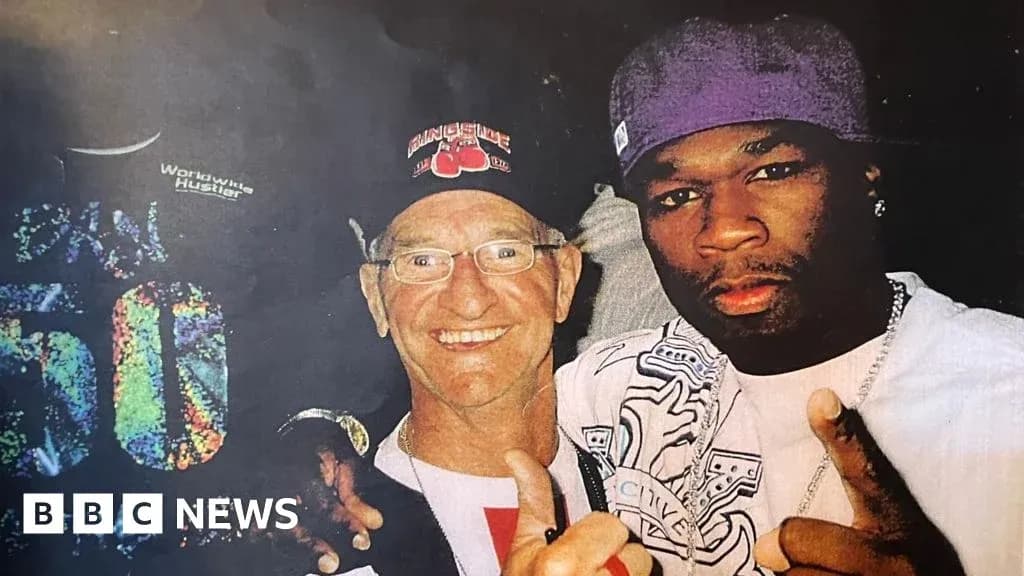
From a Bristol backstreet to the boxing capital of the world, overseeing the fine print while the stars traded punches. That was Fred Little’s vantage point. Tyson Fury, Frank Bruno, Ricky Hatton – he crossed paths with them all, the quiet official in the background making sure the show could go on.
And it wasn’t only fighters. His reputation for calm authority and reliability carried him into another world altogether. Little also worked security for major entertainers, including Tom Jones, Shirley Bassey and UB40. One night, singer Elaine Paige dedicated a performance of “Memories” to him. A small gesture, perhaps, but one that clearly stayed with him.
Looking back now, he does not underplay it. “I've had the most amazing life, I've done everything you can think of.”
His family sees the same story, from a different angle. His daughter, Charlotte Maggs, describes a man woven into the fabric of his city. “He is a very familiar face around Bristol and is hugely respected within the community and by the many people he has met throughout his life,” she says.
Respect has been hard-earned. Little has fought his own battles away from the ring, including serious health problems. Charlotte recalls the moment that shook them all. “Over the years, he has battled numerous health problems, including suffering a cardiac arrest, which left our family fearing that we had nearly lost him.”
He is still here. Ninety years old, still telling stories that stretch from air raid shelters to title fights, from oil rigs to American touchlines, from working men’s clubs to Vegas casinos.
Asked what he wants people to remember, he doesn’t reach for statistics, trophies or famous names. His final wish is stripped back, as blunt and honest as the life he’s lived.
“When I'm gone,” he says, “on my headstone just put: ‘I have lived’.”