Why Shakur Stevenson’s Exit from Zuffa Highlights the Limits of Dana White’s Boxing Control
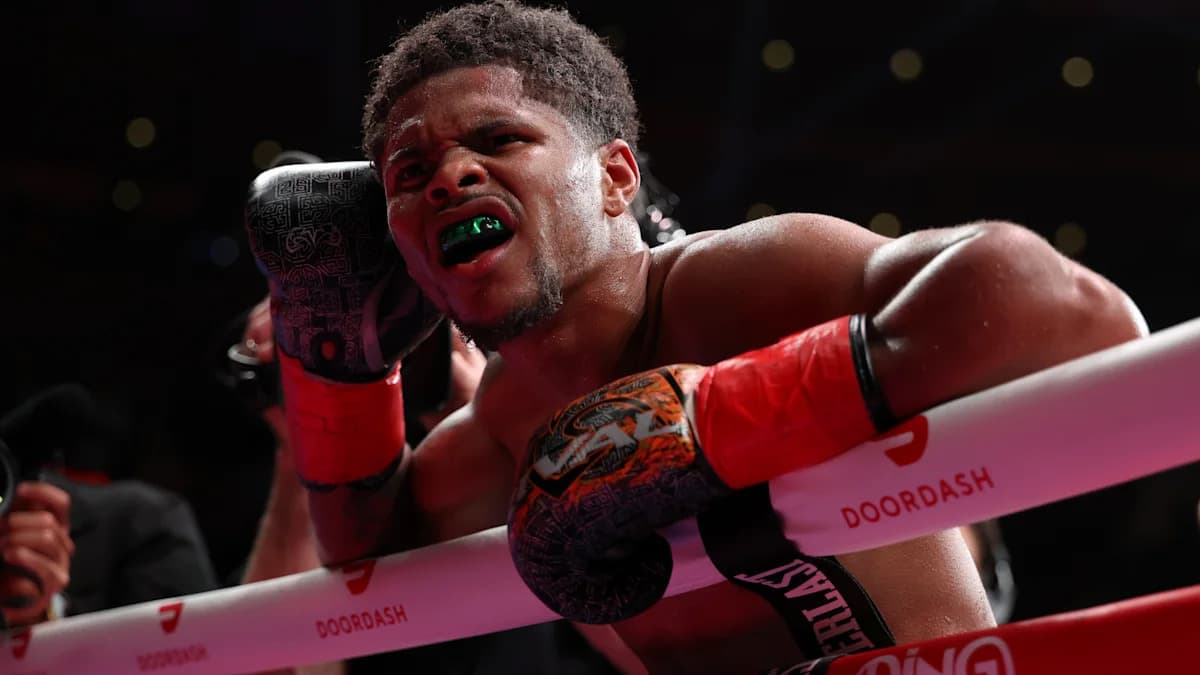
Shakur Stevenson’s split from Zuffa Boxing, after just over three months without stepping into the ring, reveals a core problem in Dana White’s attempt to dominate boxing like he has with UFC. Despite signing the WBO super lightweight champion, Zuffa couldn’t arrange fights that mattered.
Unlike UFC, where the promotion controls fighters and matchups tightly, boxing operates differently. Fighters like Stevenson have choices outside Zuffa’s reach. Their opponents’ schedules, contracts, and willingness to fight are often controlled by rival promoters and networks, limiting Zuffa’s influence.
The Challenge of Building Fights
Stevenson’s first logical opponent within Zuffa was lightweight Jose Rayo Valenzuela, but Stevenson quickly rejected this matchup. Dana White had insisted on not collaborating with other promoters, yet he was forced to look elsewhere almost immediately.
A unification bout with WBA champion Gary Antuanne Russell was considered, but Russell’s $3 million asking price exceeded what Zuffa wanted to pay. Mandatory defenses and placing Stevenson on major undercards also failed due to financial or scheduling issues.
Eventually, Zuffa allowed Stevenson to pursue a fight against WBO welterweight champ Devin Haney on DAZN, a rival broadcaster. This was a sign of surrender, showing that Zuffa could not secure a big fight on its own platform.
Negotiations Faltered Over Money and Weight
Stevenson demanded around $15 million for a bout with Haney, a figure Zuffa found excessive compared to their $7 million offer. These demands reflected a benchmark set by Conor Benn’s $15 million debut with Zuffa, which many saw as deliberately inflated to deter competitors.
Stevenson exercised his leverage, turning down fights and weight classes, making it impossible for Zuffa to finalize a deal. The situation underscored that simply signing top fighters isn’t enough if the opponents they want lie outside your control.
What’s Next for Zuffa and Stevenson?
Zuffa’s potential signing of Ryan Garcia faces similar hurdles—Garcia’s biggest fights likely depend on arrangements with other promoters and networks. With key stars like Teofimo Lopez, Devin Haney, and Stevenson out of its roster, Zuffa struggles to offer compelling matchups.
Meanwhile, Stevenson is now a free agent. Most of his possible opponents—Garcia, Haney, Russell, and others—fight on DAZN. Moving into DAZN’s orbit, whether by joining a major promoter there or cutting a direct deal, seems his logical next step.
Stevenson announced plans to start his own promotional company, expressing willingness to collaborate with serious partners. This approach might allow him to work directly with DAZN, arranging fights while outsourcing event logistics to promoters.
The Changing Landscape of Boxing Promotions
DAZN previously offered Stevenson a deal similar to what Zuffa presented, but with Zuffa no longer in the picture, DAZN holds more power. The landscape has shifted, so Stevenson may not command the same money unless he signs with DAZN or an affiliated promoter.
Joining DAZN would align Stevenson with many top opponents, but it won’t solve the underlying issues of fight terms and weight classes that blocked the Haney matchup.
Stevenson has reclaimed control of his career. Now the challenge lies in finding compromises that can create the meaningful fights boxing fans want to see.
- Stevenson’s demands: Around $15 million per fight
- Zuffa’s offer: Approximately $7 million per fight
- Key opponents mostly signed to: DAZN
- Notable previous high payout: Conor Benn’s $15 million Zuffa debut