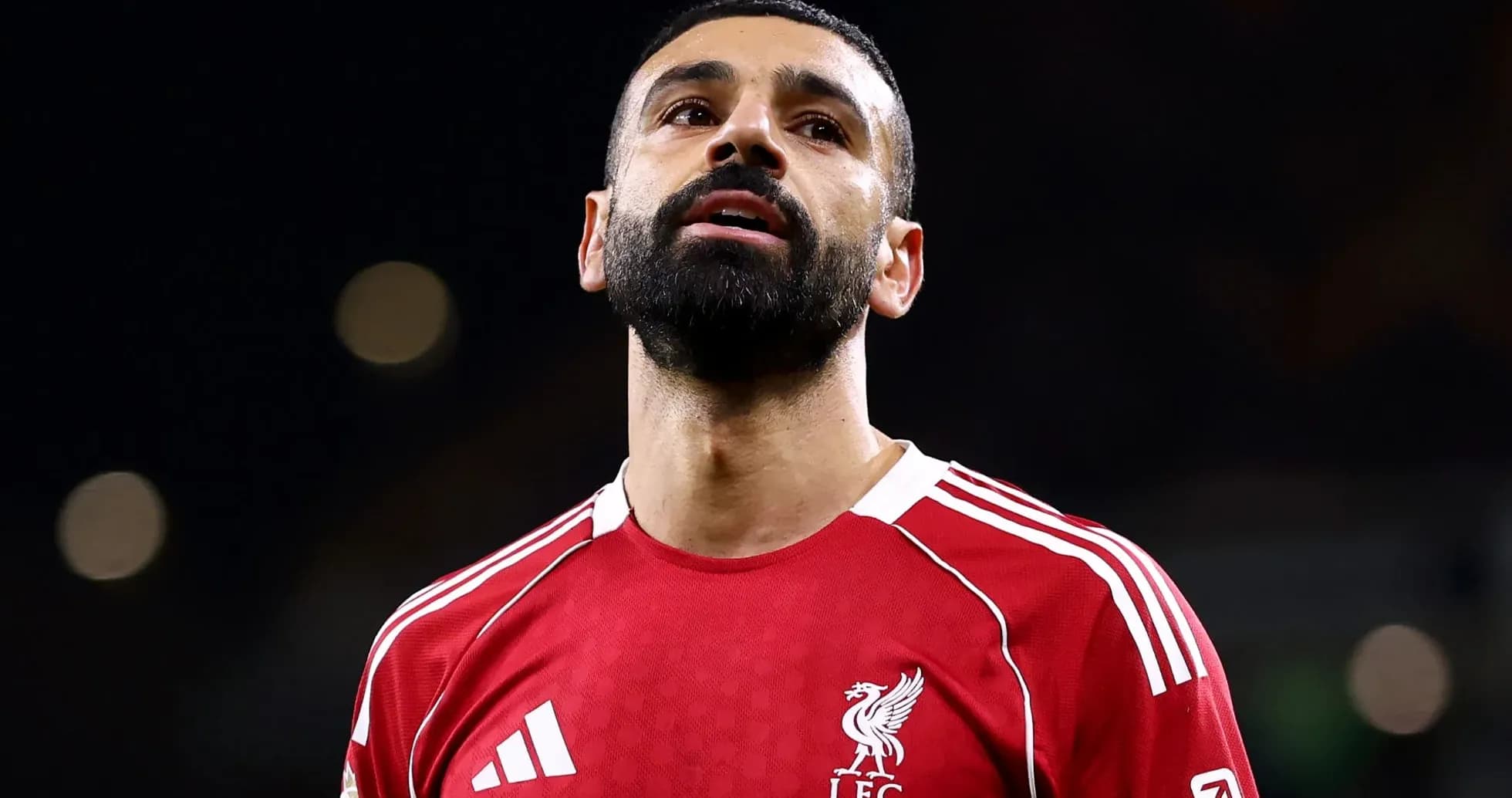
Steven Gerrard on Replacing Mohamed Salah at Liverpool
Steven Gerrard knows better than most what it means to lose a superstar at Liverpool. He’s seen eras end, front lines ripped up, and icons walk out of the door. So when he talks about the prospect of replacing Mohamed Salah, he doesn’t dress it up.
Replacing Salah like-for-like? Almost impossible.
Speaking on talkSPORT Breakfast, the former Liverpool captain laid out the scale of the task and the reality of the market. There are, he said, “very few out there that you can go and grab” who come close to mirroring Salah’s output and influence. One name did spring to mind: Michael Olise. But Gerrard was quick to underline the snag — availability.
Olise, he suggested, fits the profile but not the situation.
Gerrard’s faith, though, lies in something else entirely: Liverpool’s ability to reinvent. He pointed back to the recent past, to the club’s habit of reshaping rather than simply copying what they had before.
When Sadio Mané left, Liverpool didn’t hunt for a clone. They went for Luis Díaz, a different kind of wide forward, with a different rhythm and skill set. When Luis Suárez departed, the club again stitched together a new attack from different pieces, rather than trying to replace the Uruguayan’s chaos and genius with a single signing.
That, Gerrard argued, is Liverpool’s strength. Not nostalgia. Adaptation.
“Liverpool’s recruitment team will have different options,” he explained, stressing that the solution may not come in the form of another left-footed right winger who scores 30 goals a season. The key, in his eyes, is not aesthetic similarity but end product.
One thing, he insisted, is non-negotiable: whoever comes in must bring serious numbers. Goals. Assists. End product to fill at least part of the void Salah would leave. Doing that, Gerrard admitted, is “extremely difficult,” given how “incredible” Salah has been for Liverpool over many years.
And then there’s Bayern.
While Gerrard floated Olise as the type of player who could interest Liverpool, the German champions have been busy slamming the door on any such idea. The winger, now two seasons into his Bundesliga career, has been surrounded by speculation, but Bayern’s hierarchy has shown no appetite for a quick profit.
The message from Munich has been blunt: Olise is not for sale.
Honorary president Uli Hoeness addressed the Liverpool rumours last month with characteristic edge. He questioned the very premise of the story, casting doubt on whether there was anything in it at all, and then turned his fire on Liverpool’s spending and form.
Hoeness pointed to what he described as Liverpool’s heavy outlay — “500 million euros this year” — and contrasted it with what he called a “very bad season.” From his standpoint, Bayern have no interest in helping Jürgen Klopp’s successor rebuild.
“So we won’t be contributing to them playing better next year,” he said, making it clear Bayern’s priorities lie with their own supporters, not with boosting a rival’s resurgence.
Hoeness framed the issue as a matter of sporting integrity over balance-sheet glory. With 430,000 members and millions of fans worldwide, he argued, Bayern gain nothing from hoarding cash if the team on the pitch suffers. Stashing “200 million euros in the bank” means little, he insisted, if the football deteriorates every Saturday.
Sporting director Max Eberl then removed any remaining ambiguity. Speaking to Sport Bild, he underlined the club’s stance in cold contractual terms: Michael Olise is tied to Bayern until 2029. No release clause. No pressure. No rush.
“We’re relaxed,” Eberl said.
So Liverpool, if and when they do have to confront life after Salah, may have to look elsewhere. The model is there: evolve the attack, don’t copy it. The question now is not whether they can replace the Egyptian king like-for-like — Gerrard has already answered that — but where the next wave of goals and assists will come from in a market where clubs like Bayern have no intention of loosening their grip.