Ghana's Tough Challenge Against England: Tactical Decisions Ahead
Ghana escaped.
Ranked 73rd in the world and 39 places below Panama, the Central Americans were supposed to be fodder for the Black Stars in their World Cup opener. Instead, Ghana staggered, suffered, and clung to a 1-0 win that owed as much to Carlos Queiroz’s in-game surgery and his players’ stubbornness as to any clear superiority.
That narrow escape has a hard edge to it now. England are next. Tournament favourites. Group favourites. And, unlike Panama, utterly ruthless.
This will be the first competitive meeting between the two nations at senior level, a step up from the 1-1 friendly draw at Wembley back in March 2011. There will be nothing friendly about Tuesday.
Queiroz has decisions to make. Big ones.
The Jordan Ayew Dilemma
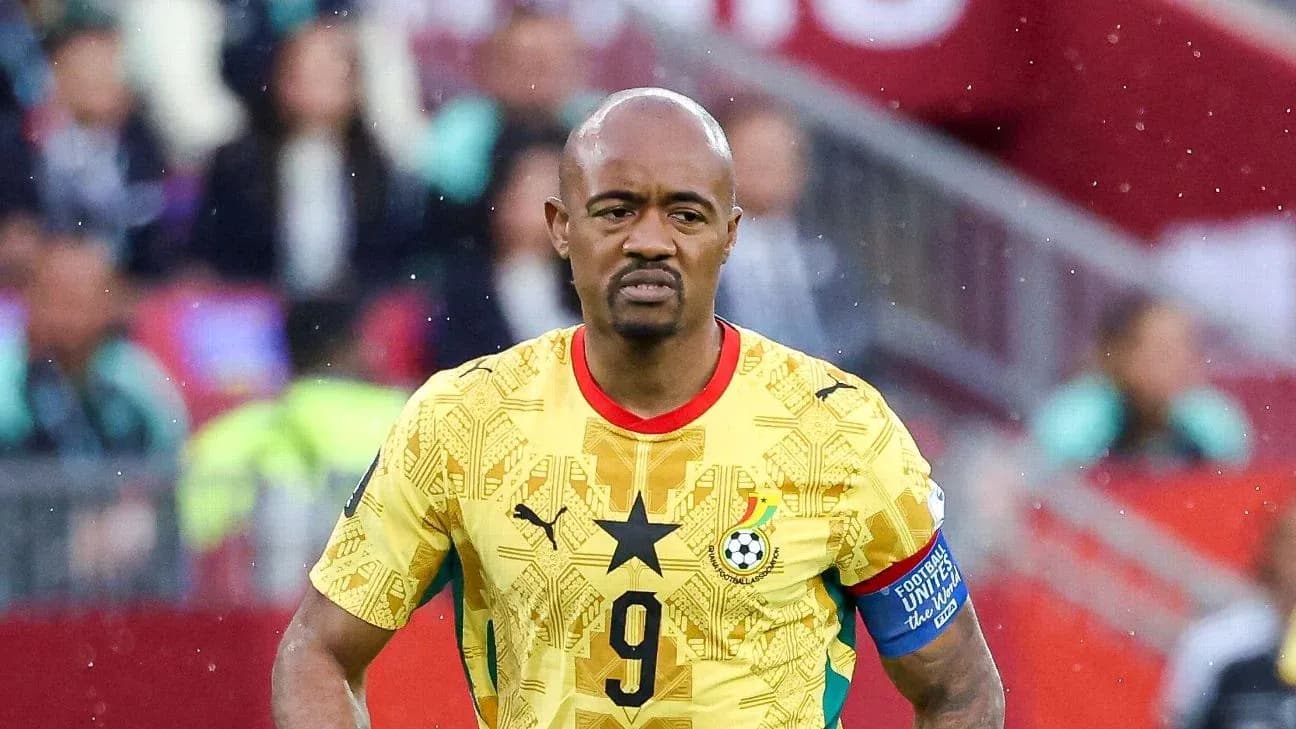
Jordan Ayew is the heartbeat and the headache.
He is the captain, the most experienced player in the squad, and the living thread that runs through three World Cup campaigns. When he led the team out against Panama, he joined an elite group of Ghanaian internationals to appear at three tournaments, adding to his 2014 and 2022 experiences. He carries more than 100 caps, the weight of the dressing room, and the aura of Abedi Pele’s son.
Yet the calls for him to be dropped against England are not emotional. They are tactical.
Against Panama, Ayew looked a step behind the game. His lack of pace was exposed in transition, and when he did get on the ball, his choices often slowed Ghana’s attacks. One moment summed it up: Antoine Semenyo slipped him a pass with grass to attack and then darted into space, ready for the return. Ayew had time and a clear lane. Instead, he drove straight into traffic and surrendered possession.
Panama could not punish that. England will.
A slow centre forward against a defence packed with Premier League regulars is an invitation to disaster. Brandon Thomas-Asante, who set up Caleb Yirenkyi’s winner, offers the opposite profile: quick, aggressive, direct. He lacks Ayew’s experience and has never faced a collection of England stars in full flow, but he can stretch a back line in ways the captain no longer can.
So Queiroz must find a compromise. Bench the captain in a game of this magnitude and you lose a voice, a reference point, a leader. Start him as the spearhead and you risk suffocating your own attack.
The answer lies between the lines.
When Ayew dropped deeper against Panama, Ghana’s play suddenly had rhythm. He linked midfield and attack, found pockets of space, and helped the team progress the ball without having to sprint into channels. In that advanced midfield role, just off the striker, his brain matters more than his legs.
Position him there, and his lack of pace becomes less of a liability. His vision between the lines becomes a weapon.
A front three built with Ayew underneath Semenyo and one of Thomas-Asante or Abdul Fatawu gives Ghana a different edge. Semenyo can pin centre backs and bully them physically. Thomas-Asante or Fatawu can tear into the flanks with pace. Ayew can orchestrate, feed runners, and arrive late in space instead of trying to outrun defenders.
It keeps the captain on the pitch. It keeps the attack alive.
Partey’s Return to the Core
If Ayew is the emotional question, Thomas Partey is the obvious answer.
He has to come back into the starting XI. That would have been a debate had Elisha Owusu dominated Panama’s midfield. He did not. Overwhelmed is the fairer description, though the team’s first-half shape left him exposed.
Against England, there is no margin for that kind of looseness.
Jude Bellingham and Declan Rice ran Croatia ragged in England’s 4-2 opening win. They dictated tempo, surged through lines, and turned midfield into a launchpad. Allow that again, and Ghana will spend the night chasing shadows.
Partey changes the picture. With him alongside the impressive Yirenkyi, Ghana finally have a pivot capable of doing more than just surviving.
Both can sit, screen, and close the lanes Bellingham loves to drive through. Both can get on the ball and keep it, forcing Rice to spend more time facing his own goal than charging towards Ghana’s. That shift alone could buy Ayew the freedom to knit play higher up, rather than dropping deeper and deeper to help a struggling midfield.
With Partey, Ghana can impose short spells of control instead of living permanently on the edge of their own box.
Where England Can Be Hurt
England’s win over Croatia came with a warning label.
They scored four, but conceded twice and could have shipped more. The most glaring concern? Their flanks.
Reece James lost his man for one Croatian goal. On the other side, Nico O’Reilly impressed going forward but looked raw defensively, a “work in progress” at left back. When Croatia attacked quickly and directly, before England’s defence could settle, the back line wobbled.
That is Ghana’s invitation.
Semenyo’s direct running can drag fullbacks into uncomfortable one-on-one duels. Thomas-Asante’s pace and power can turn half-chances into chaos. Fatawu, with his willingness to attack defenders from wide areas, can stretch England horizontally and force centre backs to defend wider than they like. Ernest Nuamah offers another surge of energy and unpredictability in those zones.
The template is there. Croatia showed it. Move the ball forward quickly, commit runners, and test England’s defensive shape before it clicks into place.
Ghana have the pace. They have the physicality. They have enough craft. What they cannot afford is the slow, hesitant build-up that allowed Panama to settle and dictate.
High Tempo or No Chance
For an hour against Panama, Ghana were second best.
Panama controlled the ball, created the better chances, and pushed the Black Stars into a reactive, nervy game. Ghana only seized control when Queiroz reshuffled, moving Semenyo centrally to steady the structure and then injecting fresh legs to ramp up the press.
That kind of slow start will be fatal against Thomas Tuchel’s England.
Croatia exposed England when they pressed high and aggressively. Mistakes appeared in midfield and at the back, and the Croatians scored twice before the break. Yet England still found two goals of their own in that first half. Give them territory and time, and they don’t just threaten — they punish.
If Ghana retreat and wait, as they did for long stretches against Panama, the game could be gone before Queiroz has time to adjust. Harry Kane and his supporting cast do not need a second invitation.
The Black Stars must begin at the fever pitch they reached only after halftime in their opener. Press, harry, collide. Turn this into a contest of will and endurance, not just talent. Make it a war of attrition, where every England touch comes with a body, a decision, a doubt.
They cannot out-glide England. They can out-grind them.
Survive the Dead Ball
One final danger looms large: set pieces.
On the tournament’s opening matchday, England recorded the highest non-penalty expected goals and the most shots on target from dead-ball situations. Kane’s second against Croatia came from a Rice corner, the England captain left free to bury an unmarked header.
Ghana cannot offer those gifts.
The goalkeeping question complicates matters. Lawrence Ati-Zigi’s fitness remains uncertain after he was forced off at halftime against Panama following a heavy collision. If he cannot start, Benjamin Asare steps in. Either way, the message is the same: every runner must be tracked, every block made, every header contested.
That starts earlier than the corner flag. Ghana must cut out the soft fouls in central areas that invited Panama pressure. This is where Partey’s positioning and reading of danger become vital, plugging gaps before they turn into desperate last-ditch tackles.
Inside the box, discipline is non-negotiable. No clumsy challenges. No rash lunges. No needless penalties.
If one is conceded, though, Kane presents a different sort of test. His run-up is a study in deception, built on hours spent analysing goalkeepers’ habits. Asare and Ati-Zigi must do the same homework. Kane has studied them; they must return the favour.
Queiroz framed the stakes bluntly after the Panama win. “We have to suffer; there is no other way,” he said, calling any result at this World Cup “very expensive” and insisting his players are ready to pay.
England will ask for the full price. The question now is whether Ghana can suffer intelligently enough to stay in the tournament’s most unforgiving conversation.